
Megadeals push Dutch startup funding to €1.3B in Q2 2026
Big checks, fewer startups: Dutch Q2 funding jumped 81% to €1.3B, but pre-seed deals dropped to just 12% of the total.
Published on July 8, 2026
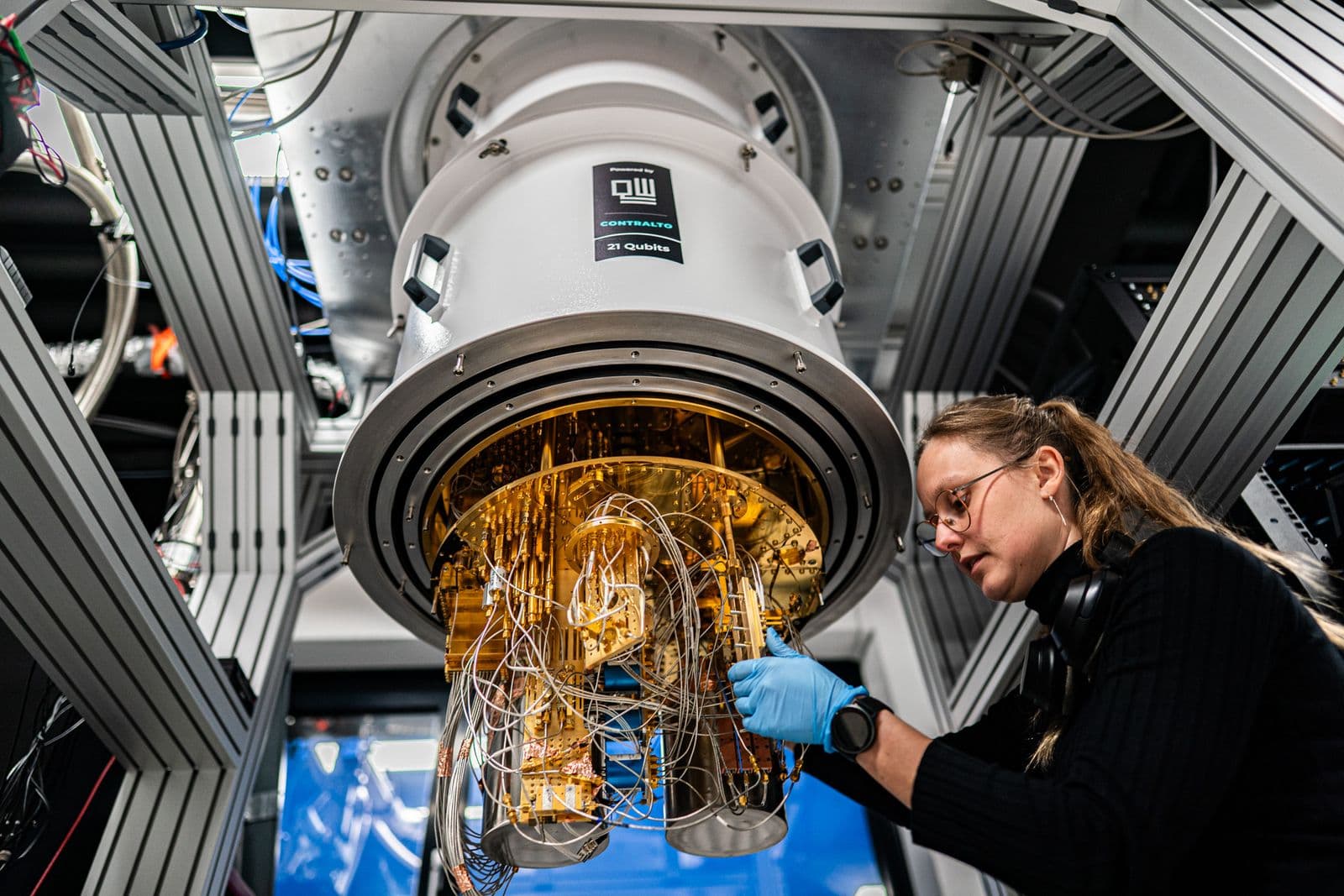
© QuantWare

Team IO+ selects and features the most important news stories on innovation and technology, carefully curated by our editors.
Dutch startups and scale-ups attracted approximately €1.3 billion in publicly disclosed investment during the second quarter of 2026, representing an 81.2% increase over the same period last year. The quarter also grew 32.2% over the first three months of 2026.
The figures come from the latest edition of the Quarterly Startup Report compiled by Dealroom.co, Golden Egg Check, KPMG, Invest-NL, the Regional Development Agencies (ROMs), the Dutch Private Equity & Venture Capital Association (NVP) and Techleap, under the direction of the Dutch Startup Association (dSa).
Three mega-rounds carried much of the quarter: precision-instruments maker Nearfield ($380 million), AI company General Intuition ($320 million), and quantum computing firm QuantWare ($178 million). Both Nearfield and General Intuition reached unicorn status, meaning they have reached a billion-dollar valuation.
Lucien Burn, chairman of dSa, while calling these two funding rounds impressive, voiced concern about the ecosystem's shrinking breadth: fewer early-stage deals and increasing concentration in deeptech. "This super successful quarter presents us with a somewhat split situation. On the one hand, we continue with Grand Tours; on the other hand, the ecosystem seems to erode further: less and less in the early phase and more and more deep tech. If we want to join the world and, at the same time, earn enough money to pay for our sovereignty, the growth and breadth of investments will also need attention."
A widening gap
The data reveal a widening gap between deal volume and deal size. Pre-seed deals (under €1 million) fell sharply, from 25.3% of all deals in Q2 2025 to just 12.1% this quarter — a drop from 20 to 7 deals. Seed rounds (€1–4 million) held steady as the largest category by count, at 41.4%, but accounted for only 3.5% of total capital invested. By contrast, Series B+ rounds (€15 million and up) accounted for just 25.9% of deals but captured 90.7% of the money raised. Series A activity also cooled, dropping from 17 deals in Q2 2025 to 12 this quarter, while Series B+ rounds rose from 12 to 15.
Public investors remained deeply embedded in the quarter's biggest rounds. Invest-NL participated directly in five of the ten largest deals, the European Innovation Council Fund backed two, and the ROMs were involved in three — meaning public money touched seven of the top ten rounds.
Concerns about the next wave of tech companies
Rounding out the top ten of largest investments were Eye Security (€60 million), Onward (€40.6 million), TargED (€40.4 million), eyeo (€40 million), Leyden Labs (€40 million), Volta Energy (€38 million) and TIBEAY Bioscience (€35 million).
With roughly €2.3 billion raised in the first half of 2026, the Netherlands is already closing in on all of 2025's €2.5 billion total and has surpassed 2024's full-year figure.
Invest-NL CEO Rinke Zonneveld recognized the role of the institution he leads in seven out of the 10 largest rounds. "In this way we have also managed to mobilize a lot of private and institutional capital. At the same time, the underlying trend of stagnant growth of new startups is worrying."
NVP chairman Martijn van Dam also voiced his concern. "If the Netherlands wants more scale-ups tomorrow, we must continue to invest in the earliest phase today. Especially now that the number of early deals is under pressure, Future Fund instruments such as the Seed Capital scheme, Early Phase Financing and Innovation Credit are essential to help innovative companies move through the riskiest phase and mobilize private investments. Anyone who weakens this base cuts into the future growth of Dutch growth companies."
Burm added that early signals around Box 3 tax changes and a scaled-back seed scheme pose additional risks to the ecosystem's foundation.