
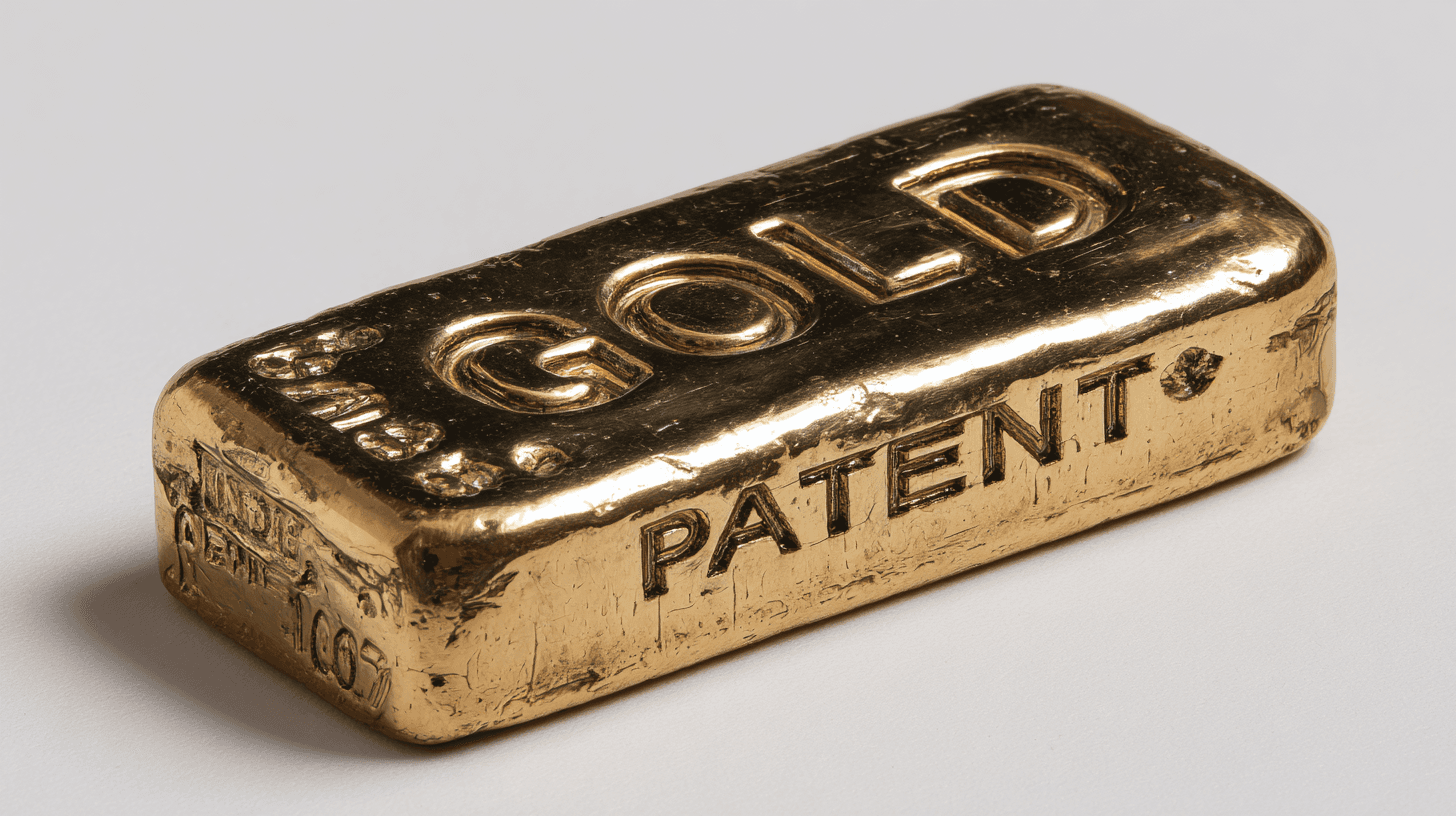
Your patent is not a gold bar, but a lever
In a series of blog posts, Marco Coolen offers a glimpse into his work as a Dutch and European patent attorney at AOMB.
Published on February 1, 2026

Marco, a patent attorney at AOMB since 2013, shares his expertise on IO+ about patents—how they work, why they matter, and when they lose their value.
Owning a patent is not the same as extracting value from it. Yet entrepreneurs sometimes treat their patents as if they were gold bars in a vault: safely stored away, perhaps worth something one day. In practice, that’s not how it works. A patent only gains value when you use it. Not as an investment, but as a tool. As a lever for your business model.

Marco Coolen, photo © Bart van Overbeeke
A patent makes your business stronger
See your patent as a force multiplier. Not the engine of your company, but a smart turbo that gives your existing strategy an extra push. The real value is not in the document itself, but in what it makes possible:
- Your margins improve because you can offer something others cannot easily copy. Competitors have to find workarounds or invest in alternatives. That costs time and money, both of which are to your advantage.
- Your pricing strategy becomes more robust. Because your product is unique, you’re less exposed to price erosion. Your added value is not only technical, but also legally protected.
- You gain negotiating power. Whether it’s distribution, investment, or partnerships: a solid patent gives you a stronger position at the table.
Your technology can scale
It gets even better when you don’t keep the patent to yourself. Licensing allows your technology to operate in markets or applications where you are not active. Someone else can use your idea, of course, for a fee and under agreed conditions. You grow with it without taking on additional risk.
Take, for example, an SME that develops a unique measurement technique for agriculture. You might primarily want to supply Dutch growers. But what if you could also license that technology to partners in South America without establishing a local presence? Your patent makes that possible.
Not a promise, but a booster
It’s important to realize that a patent is not a guarantee of success. It doesn’t promise returns. What it does do is strengthen a strategy that already makes sense. If you have a good product, a clear market, and a realistic growth plan, a patent helps you protect and expand that position.
But if the foundation is missing, a patent is of no value. It doesn’t fix a bad business model. It won’t save a product without customers.
In short: take it out of the vault
A patent is not a showpiece for the shelf. It’s a lever. Use it. Let it work for your pricing, positioning, and partners. Put it to work and give it direction. Only then does its real value emerge.
And yes, it may still feel like gold, but gold that generates returns, rather than gathering dust in a vault.