
Smartwatch outperforms doctors in spotting Parkinson's changes
Wearable technology could transform how researchers test new treatments for the degenerative disease
Published on May 13, 2026
© Unsplash

Team IO+ selects and features the most important news stories on innovation and technology, carefully curated by our editors.
A smartwatch worn in everyday life can detect changes in Parkinson's symptoms more accurately than an annual hospital check-up, according to new research from Radboud University Medical Center (Radboudumc). The findings, published today in Annals of Neurology, could significantly speed up the search for effective disease-slowing therapies.
More than 63,000 people in the Netherlands live with Parkinson's disease, a condition that causes tremors, slower movement, and muscle stiffness. While existing treatments can ease symptoms, no cure has yet been found, making the development of new therapies that can slow the disease in its early stages a pressing research priority. A major obstacle, however, has been reliably measuring whether those therapies are actually working.
Traditionally, Parkinson's symptoms are assessed during hospital visits through questionnaires and physical examinations. While these provide important information, they offer only a snapshot in time — and symptoms can fluctuate significantly from day to day and even hour to hour. Hospital visits may also temporarily worsen symptoms due to stress and anxiety, skewing results.
Continuous Parkinson's monitoring
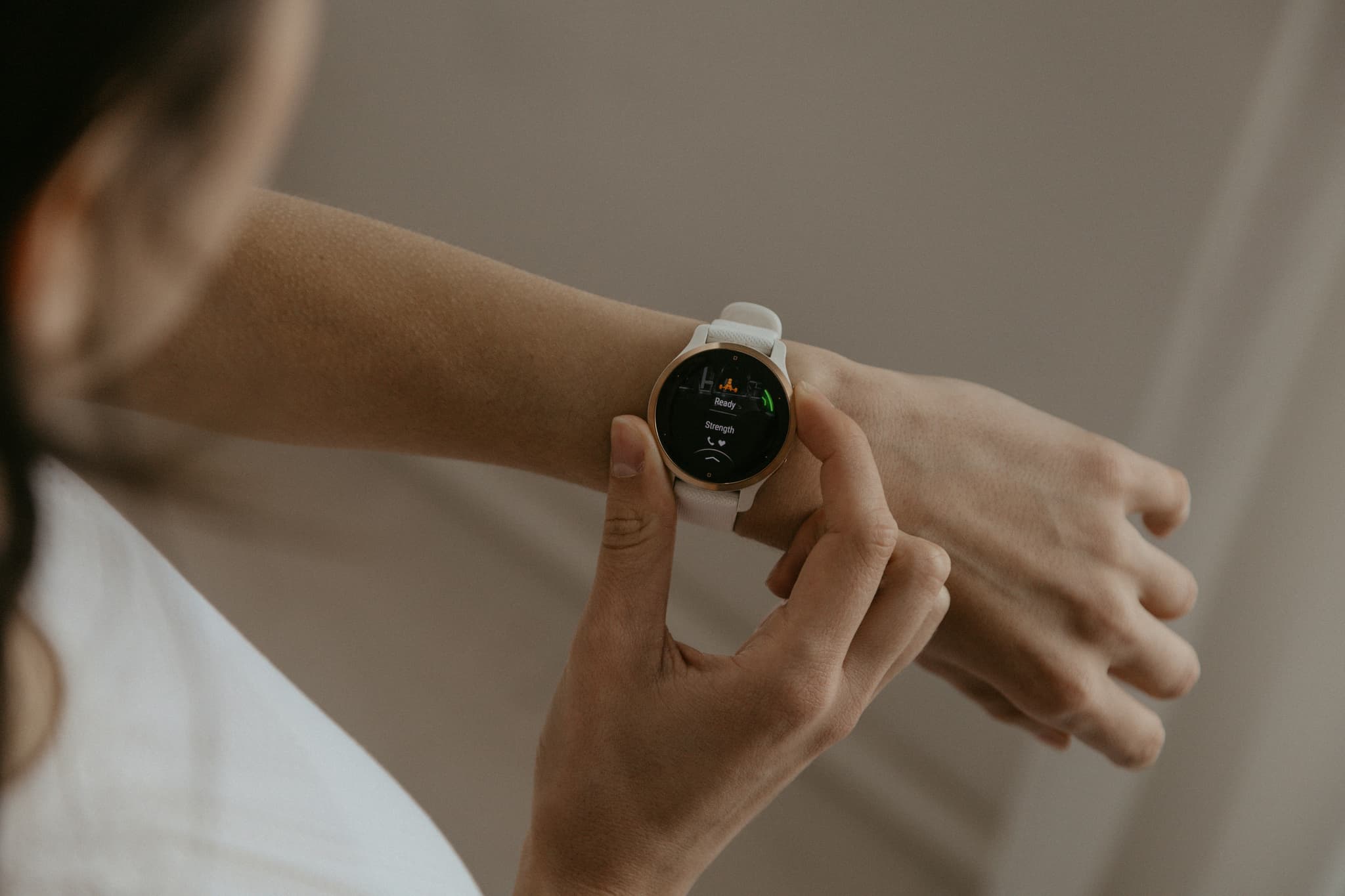
To address this, researchers equipped participants with smartwatches to wear continuously in their daily lives. The watch measures arm movements around the clock, and a specially developed algorithm analyzes the data to identify patterns characteristic of Parkinson's disease. "We can establish how often and how severely someone trembles," explained PhD candidate Nienke Timmermans — "and not just once a year, but continuously."
The study involved 620 participants who wore a smartwatch for two years, making it unique in its scale. Researcher Luc Evers noted that Parkinson's symptoms had never before been followed in such a large group over such an extended period in a home setting.
The results were striking. The smartwatch detected changes in Parkinson 's-related tremors more accurately than the annual hospital check-up, allowing disease progression to be mapped at an earlier stage. "We can determine more quickly whether a new disease-modifying therapy shows promise or not," said Evers. "That doesn't mean a cure is around the corner, but it does mean we can identify effective treatments sooner."
Ready to be used
Crucially, the method has been made freely available, so researchers in the Netherlands and beyond can use it immediately — and no special hardware is required, as many existing research wristwatches with motion sensors are compatible.
Looking further ahead, the researchers believe this approach could also improve care for individual patients — for instance, by monitoring whether medication is effective, or by more precisely measuring the effects of deep brain stimulation. "Further research is still needed," Timmermans cautioned, "but these results show that we can now monitor Parkinson's much more effectively — right from home, with a watch."