
Silicon bridge: Arizona and TU/e sign agreement on chip research
The University of Arizona and TU/e have signed a five-year MOU to advance semiconductor and photonics research.
Published on July 17, 2026
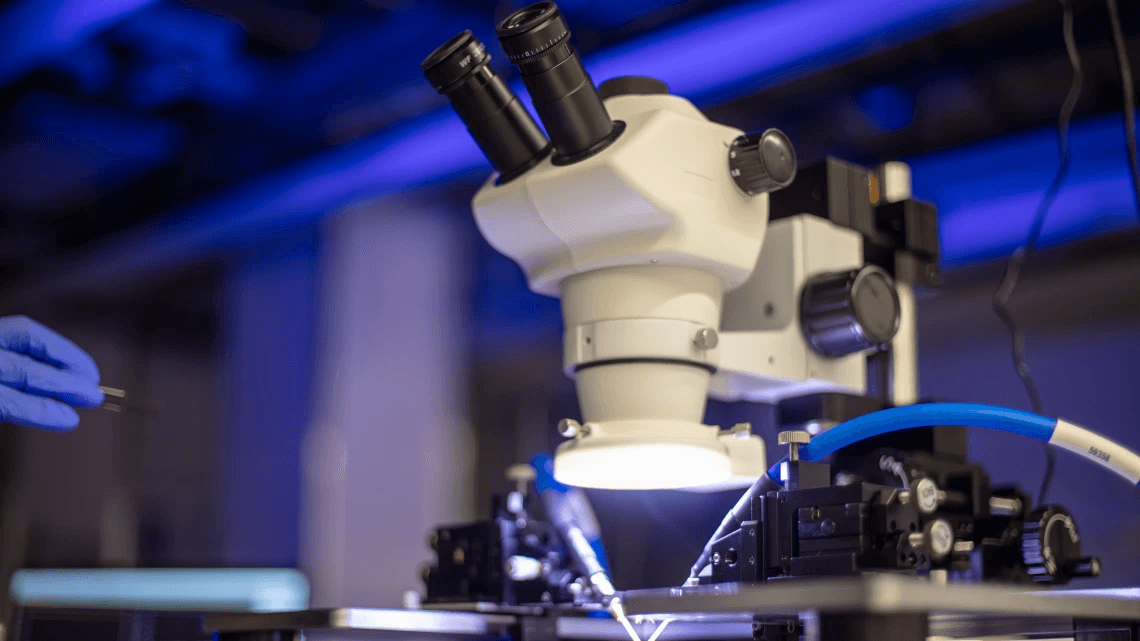
© Leslie Hawthorne Klingler, U of A Office of Research and Partnerships

Team IO+ selects and features the most important news stories on innovation and technology, carefully curated by our editors.
The University of Arizona and Eindhoven University of Technology (TU/e) in the Netherlands have signed a five-year memorandum of understanding to advance semiconductor and photonics research and deepen transatlantic collaboration between two regions with long histories in the global chip industry.
The agreement, signed by U of A Chief International Affairs Officer and Dean Jenny Lee and TU/e Rector Magnificus Silvia Lenaerts, links Arizona's decades of semiconductor manufacturing expertise with the Dutch university's leadership in integrated photonics — a field that uses light rather than electricity to move and process information, offering a path toward faster, more energy-efficient computing systems.
Strengthening the semiconductor industry
"Arizona and the Netherlands are home to two of the world's most established photonics and optics ecosystems," said Krishna Muralidharan, director of the U of A Center for Semiconductor Manufacturing (CSM) and a materials science and engineering professor. He said pairing Arizona's semiconductor leadership with TU/e's photonics research lays a foundation for training future engineers and tackling problems that matter to industry.
The University of Arizona brings roughly 50 years of semiconductor research experience to the partnership, with CSM drawing on expertise across the university, including the Wyant College of Optical Sciences. TU/e is internationally recognized for pioneering work in semiconductor and integrated photonics, anchoring a European ecosystem that has advanced photonic integration and light-based chip manufacturing techniques.
“Through this partnership, we are connecting two leading ecosystems in semiconductors and photonics. This creates new opportunities for research, education, and collaboration with industry, while enabling us to better prepare the next generation of talent for the opportunities and challenges of the semiconductor sector," said TU/e Rector Magnificus Silvia Lenaerts.
Workforce development at the center
A major focus of the MOU is building a talent pipeline for the global chip industry. The universities plan student exchanges, study-abroad placements, and joint research projects, along with short-term programs such as summer and winter schools and internships. The collaboration will also connect with U of A's Fast Track Semiconductor Manufacturing program, which prepares students for careers in chip design, manufacturing, and materials engineering. Beyond education, the agreement calls for engaging industry partners directly in research and workforce initiatives.
Building on government ties
The university partnership extends a broader diplomatic effort. In January 2025, Arizona Gov. Katie Hobbs signed an agreement with Dutch Minister of Economic Affairs Dirk Beljaarts to strengthen semiconductor collaboration between Arizona and the Netherlands and support workforce development and economic growth.
Arizona has become a major hub for chip manufacturing, attracting more than $210 billion in semiconductor and related supply chain investment since 2020, according to the Arizona Commerce Authority. Dutch companies have contributed significantly to that growth: equipment maker ASM established its North American headquarters in Scottsdale and announced a $300 million expansion in 2024, while chipmaking equipment supplier ASML and NXP Semiconductors also maintain long-standing operations in the state.
As global demand for advanced chips continues to climb, driven largely by artificial intelligence and data-center growth, the U of A-TU/e partnership gives both institutions a long-term framework for joint research, education, and industry engagement across the semiconductor ecosystem.