
Oil crisis proves: the clean energy shift can't wait
Oil crisis fallout from Middle East tensions proves renewables aren't just greener — they're the smarter economic bet.
Published on March 12, 2026
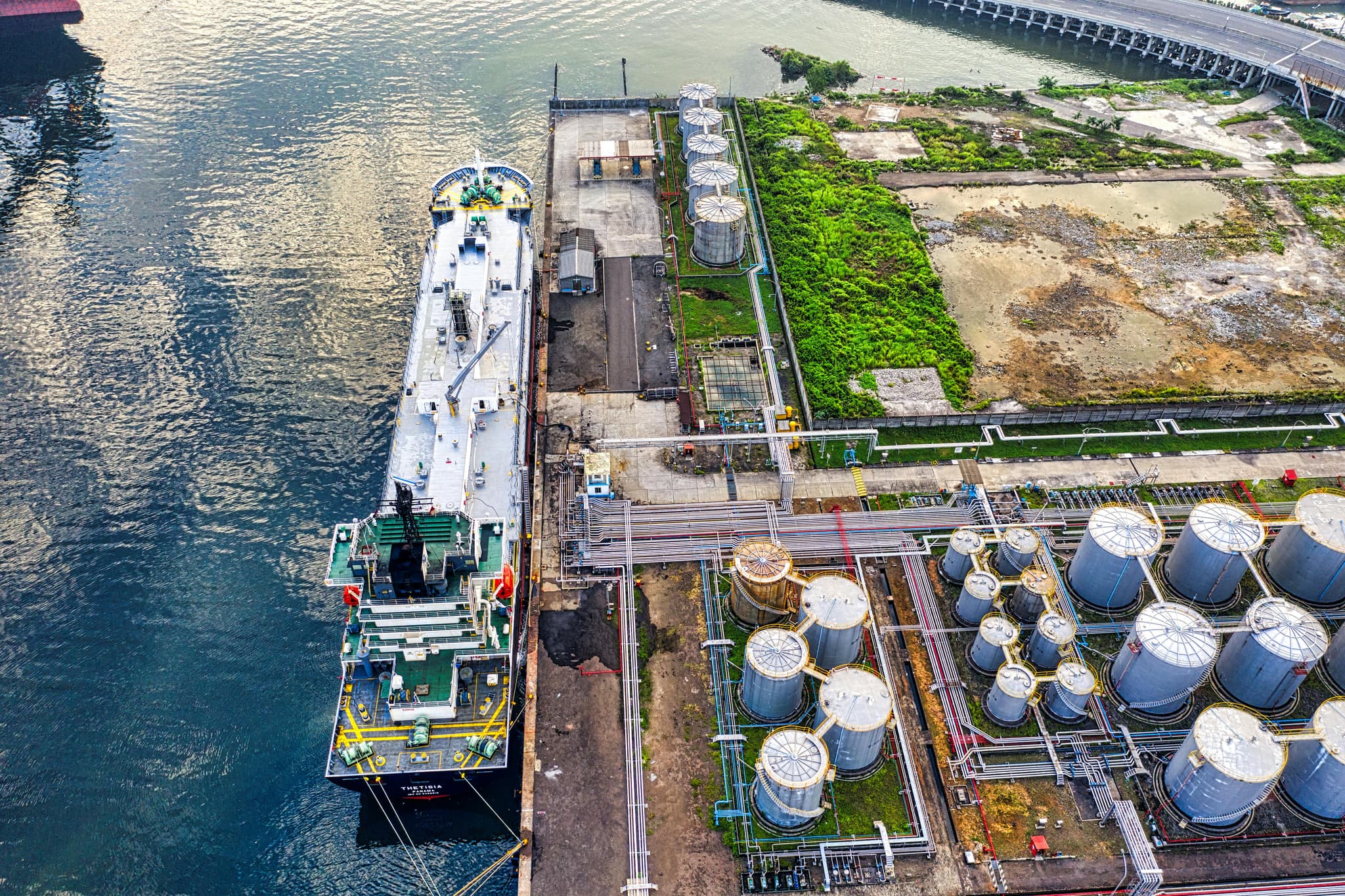
An oil tanker unloading fuel at a refinery - © Pexels

Team IO+ selects and features the most important news stories on innovation and technology, carefully curated by our editors.
The escalating conflict in Iran has resulted in a new oil crisis. Brent crude oil prices have surged past $100 per barrel, exposing the fragile nature of fossil fuel supply chains. Following attacks on oil tankers in the Gulf yesterday, the de-escalation prospects are shattered.
The disruption in the Strait of Hormuz highlights a critical vulnerability for nations dependent on imported oil and gas. However, this shock provides a powerful catalyst for change. The transition to renewable energy is no longer just an environmental imperative. It is a fundamental requirement for national security, strategic autonomy, and global economic competitiveness.
Green energy is already the cheapest
The financial argument for fossil fuels has collapsed. Over the past decade, the cost of generating electricity from solar photovoltaics has plummeted by 89%, while utility-scale battery storage costs have fallen by 70%. By 2022, wind and solar power had officially become the cheapest energy sources available globally.
Already in 2021, a report from the International Renewable Energy Agency confirmed that nearly two-thirds of newly installed renewable power plants generate electricity at a lower cost than the most cost-effective new fossil-fuel plants.
Solar energy alone provides a staggering resource; more solar energy reaches Earth every hour than humanity consumes in an entire year. Transitioning to a decarbonized energy grid is an investment that yields massive returns. Researchers at Oxford University estimated that replacing fossil fuels with clean energy by 2050 will save the global economy at least $12 trillion.
The case of the UK
Against the backdrop of these weeks'events, the British Climate Change Committee (CCC) published a report. According to the CCC, achieving the UK's net-zero target by 2050 will not only cost less than enduring a single fossil fuel crisis but will also yield significant health and economic advantages. This transition involves shifting away from reliance on volatile foreign fossil fuels towards cleaner, domestic, and more efficient energy sources.
Ed Miliband, the energy secretary, emphasized the importance of this transition, noting that it can shield families from future fossil fuel price shocks. Investing in net-zero initiatives offers a substantial return, with each pound potentially generating between £2 and £4 in benefits. Furthermore, avoiding the extensive impacts of climate breakdown could save as much as £130 billion by 2050.
Green power to be resilient against the oil crisis
Energy security requires strategic autonomy. Nations cannot control global oil prices, but they can control their domestic energy infrastructure. The European Union demonstrated this principle following the 2022 energy crisis triggered by Russia's invasion of Ukraine. Through the REPowerEU initiative, Europe rapidly reduced its dependence on imported gas and accelerated its clean energy transition.
By early 2026, the European Union was generating more electricity from wind and solar than from natural gas. The bloc also revised its Renewable Energy Directive, establishing a binding target to source at least 42.5% of its energy from renewables by 2030. The current Middle East crisis reinforces the urgency of these policies.
European think tanks urge governments to respond to the Iran conflict by fast-tracking grid connections for renewables and increasing system flexibility. Developing nations are also recognizing this strategic imperative. Transitioning to renewable energy allows emerging economies to bypass traditional fossil fuel infrastructure, reducing their exposure to the volatile global market.
For developing countries, this transition offers a chance to stimulate local economies and create labor-intensive industries, fundamentally altering their development trajectories. However, these nations currently receive only one-fifth of global clean energy investments. Unlocking finance for emerging markets is crucial for building a secure, equitable global energy system. True sovereignty in the modern era requires energy independence.
Let's keep fueling the transition
The conflict in the Middle East has severely disrupted the global energy market, as experts caution that oil price shocks are likely in the future due to the unstable geopolitical landscape. Transitioning to clean, green renewables and electric vehicles is not only economically prudent but also essential for safeguarding the environment and ensuring long-term economic stability. The current crisis in the Middle East should serve as the final warning. Accelerating decarbonization is the only rational path forward for global security and economic growth.