
VÆRIDION raises €30 million for nine-seat electric aircraft
SHIFT Invest and Invest-NL are leading the funding round for the Microliner. The EU has also selected the company for a €94.5 million grant.
Published on November 6, 2026

Team IO+ selects and features the most important news stories on innovation and technology, carefully curated by our editors.
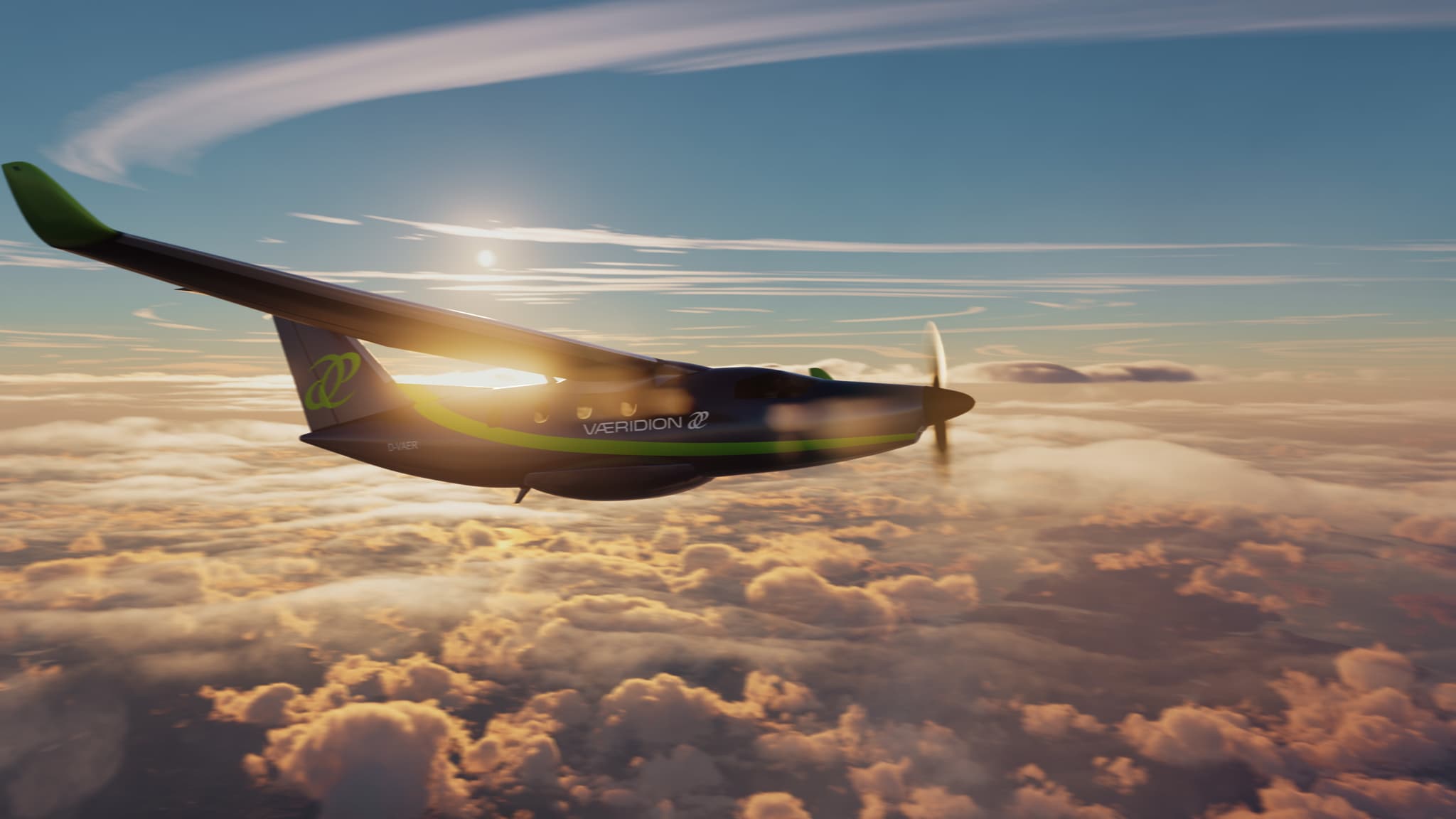
Nine passengers, two electric motors and batteries in the wings. With its Microliner, aircraft developer VÆRIDION aims to make regional flights of up to 400 kilometres fully electric. The German company, which carries out some of its research and development in Delft, has raised €30 million to build its first prototype for certification. A second, larger source of funding is also in sight. The European Commission has selected VÆRIDION for €94.5 million from the EU Innovation Fund. The grant agreement has not yet been signed.
Funding for a prototype and a factory
The two sums are intended for different stages. VÆRIDION will use the investment to build the prototype and carry out further tests on its batteries and electric propulsion system. Alongside Dutch lead investors SHIFT Invest and Invest-NL, existing investors World Fund, Project A, Vsquared Ventures and InnovationQuarter are taking part, as are several European family investment funds. Including previous rounds, VÆRIDION says it has raised about €60 million.
The EU grant is intended to help the company move into production. Through its CAROLUS project, VÆRIDION plans to set up an assembly facility at Oberpfaffenhofen Airport near Munich and scale up operations there. The company has been testing its batteries and propulsion system at the airport since March. According to VÆRIDION, CAROLUS was the only aviation project among the 12 large-scale projects selected. The company expects to sign the grant agreement in 2027.
“This funding round allows us to build our first prototype aircraft for certification,” says founder and CEO Ivor van Dartel. Part of the development work takes place in the Netherlands. Van Dartel studied at TU Delft, and the company works with the university’s Faculty of Aerospace Engineering. VÆRIDION has more than 75 employees.
Why the batteries sit inside the wing
The wing takes its cues from a glider. VÆRIDION houses the battery modules inside the wing, where their weight helps counteract the forces that bend it in flight. The company says this should reduce the aircraft’s structural weight. Two separate electric motors drive a single propeller. The system is designed to keep running if one motor fails.
The target range is 400 kilometres, excluding the required energy reserves. The cabin is designed to carry nine passengers or up to ten cubic metres of cargo. VÆRIDION is targeting short, direct routes between regional airports. Microliner technical specifications
Could a flight cost the same as a first-class train ticket?
The Microliner's economics hinge on the cost per flight. Electric propulsion requires no jet fuel and has fewer moving parts. VÆRIDION therefore expects to spend less on energy and maintenance than operators of conventional turboprop aircraft. The company thinks a flight could eventually cost about the same as a first-class train ticket. For operators, the numbers will also depend on how often the aircraft can fly, how many seats they can fill on each route and how quickly the batteries can recharge between flights.
VÆRIDION is targeting commercial service in 2030. The company reports commercial commitments for more than 130 aircraft with a combined value of over €730 million. ASL Group is its launch customer.
The design has passed an initial formal review, and VÆRIDION has signed a second agreement with the European Union Aviation Safety Agency (EASA) to prepare for certification. The company must now use the prototype to demonstrate that the batteries, motors and propeller meet the requirements when operating as a single system. The Microliner can enter commercial service once it is certified.