
Ultra-processed food scanner app FLTRD raises over €500,000
Dutch startup FLTRD has raised over €500,000 to help shoppers spot ultra-processed food and find less processed swaps.
Published on October 29, 2026
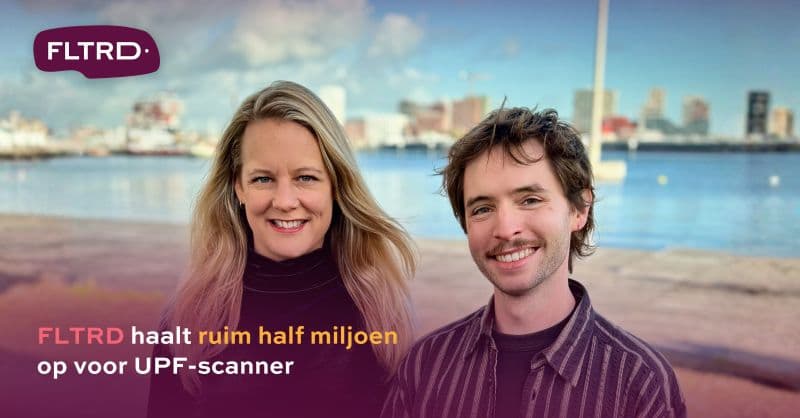
© FLTRD

Team IO+ selects and features the most important news stories on innovation and technology, carefully curated by our editors.
FLTRD, the Dutch startup whose app tells shoppers how processed their food is, has raised more than €500,000 in a pre-seed round. Impact investor 4impact capital led the round, joined by several angel investors from the food and consumer goods industry.
The company will use the money to grow its team, launch in Belgium before the end of the year, and start licensing its rating, the PureScore, to food producers and supermarkets.
Using the app is simple. Scan a product's barcode in the supermarket or at home, and you see straight away whether it is ultra-processed. If it is, the app points you to less processed alternatives. The app now covers more than 150,000 products from seven supermarkets and has over 35,000 users on iPhone and Android. FLTRD's ambition is far bigger: 100 million people shopping with the PureScore within five years.
What's behind the score
The PureScore runs from 0 to 100. It builds on NOVA, a widely used system for classifying food by how processed it is. FLTRD developed it with certified nutrition experts, and scientists at the Amsterdam University of Applied Sciences reviewed it. The company says producers and retailers cannot pay to influence the score.
The score weighs three things:
- Ingredients (75%): added sugars, fats, salt and additives, plus refined ingredients stripped of their nutrients. Wholegrain flour, for example, beats white flour.
- Processing (20%): only methods that may affect health count. Freezing costs no points; frying or smoking does.
- Organic certification (5%): organic products score higher because they carry fewer pesticide residues.
The differences can be striking. In FLTRD's own comparison, Doritos score 40, while La Morena tortilla chips score 67.
The abundance of ultra-processed foods
More than 70% of products on Dutch supermarket shelves are ultra-processed, according to the announcement. These foods are built to tempt, heavily marketed and often on promotion, which makes them easy to buy and hard to spot.
Concern is growing. In November 2025, a series in The Lancet linked the rising share of ultra-processed food in diets worldwide to the increase in chronic disease. In July, the European Commission asked its scientific advisers how the EU should define ultra-processed food; their advice is due in March 2027. The Commission also sought input from FLTRD co-founder Anke Kuik.
Kuik sees this as proof the issue is a structural problem, not a passing trend. She points to France, where one in three people already use a similar app, as a sign that shoppers want guidance. "We believe everyone has the right to understand the impact of what they eat," she said.
Transparency for consumers
For 4impact capital, the timing matters. Partner Victor Straatman says that as Europe works out how to define and regulate ultra-processed food, transparency is becoming a commercial priority for the food sector. In his view, FLTRD has the data and method to measure processing objectively, just as verifiable product information becomes a firm market requirement.
Angel investor Jeroen Lubbers, who backs healthy food ventures after a long career in the industry, has followed FLTRD from day one. He believes change has to come from within the sector, starting with honesty about what is in a product.
The investment is supported by the European Union under the InvestEU Fund.