
The Venezuela crisis proves: our reality has been hacked by AI
Although the attack in Venezuela was real, AI images caused confusion about what actually happened.
Published on January 6, 2026
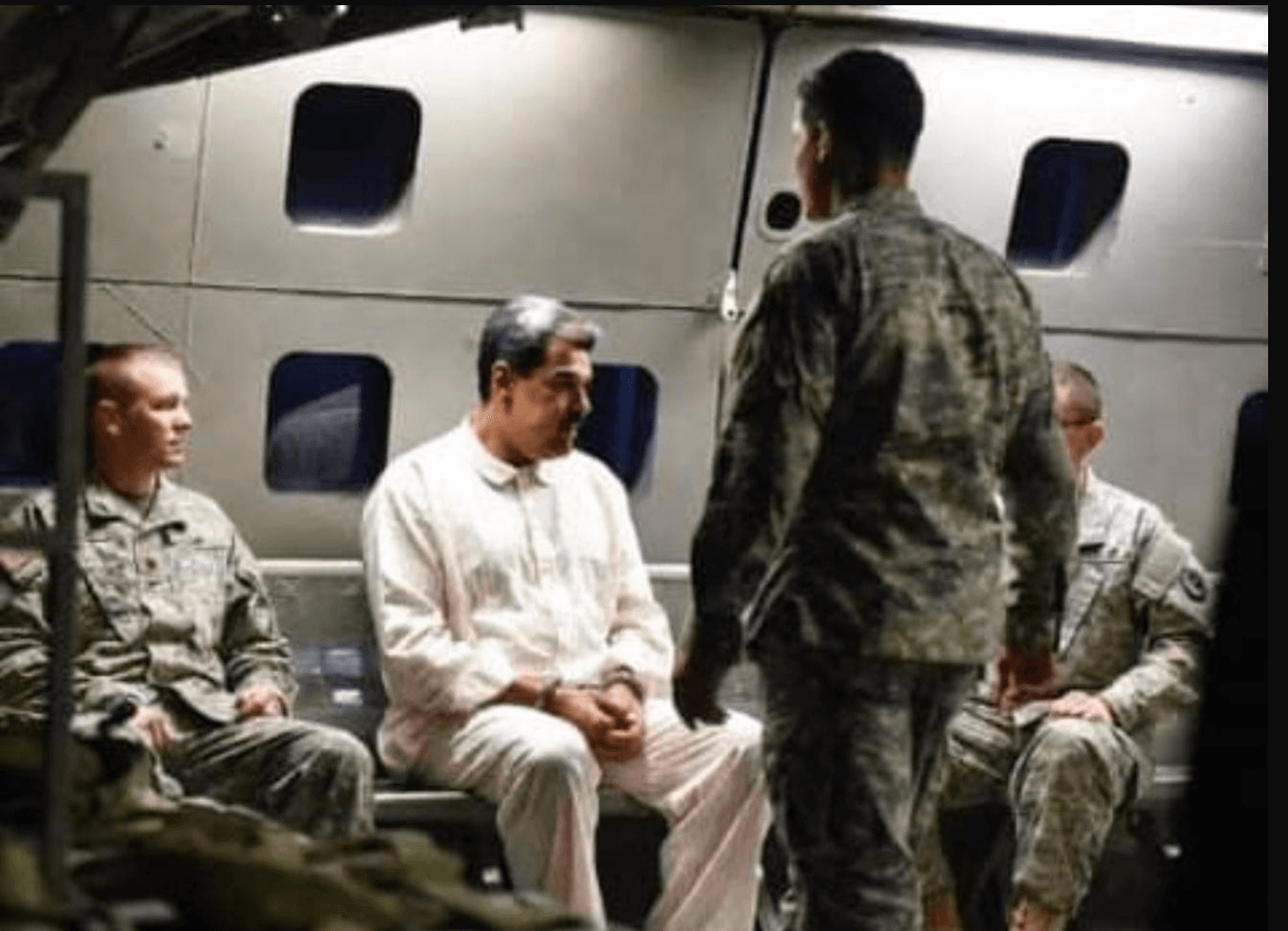
An AI-generated image depicts Maduro in white pajamas aboard a U.S. military cargo plane. (Screenshot via NewsGuard)

Team IO+ selects and features the most important news stories on innovation and technology, carefully curated by our editors.
It was Saturday morning, January 3, 2026. A message from President Donald Trump about a large-scale attack on Venezuela set the internet ablaze. Within minutes, images flooded social media platforms such as X, Instagram, and TikTok. We saw President Nicolás Maduro being led away in handcuffs by American agents. We saw cheering crowds in Caracas. We saw American troops landing. The problem? Much of this footage did not exist.
It had been generated by AI. While the world tried to understand whether a coup was actually taking place, millions of people were watching a fabricated reality. This incident marks a definitive tipping point. The line between fact and fiction has blurred.
Unprecedented speed
The United States has attacked multiple targets in Venezuela and arrested President Nicolás Maduro. He is being charged in New York with, among other things, narco-terrorism. However, not all of the images surrounding this event are real. The speed at which the disinformation spread was unprecedented. NewsGuard fact-checkers quickly identified five completely fabricated photos and two manipulated videos that went viral. A striking example was a photo of Maduro, supposedly taken into custody by the DEA. This image alone generated millions of views on X. Local politicians, such as Vince Lago, mayor of Coral Gables in Florida, also unintentionally shared this fake content.
Weapon to sow confusion
By the time official channels were able to clarify the real situation, the narrative had already been formed. The public no longer knew what was true. Even when verified images were later released, the doubt remained.
The chaos surrounding Venezuela is a textbook example of how AI tools such as Grok and advanced image generators are being used as weapons to sow confusion, even before the actual situation on the ground is clear.
AI is both an enemy and an ally
Fact checkers are desperately trying to hold their ground. Interestingly, AI is not only the enemy here, but also a necessary ally. Organizations such as Efecto Cocuyo have developed AI chatbots, such as ‘La Tía del WhatsApp’. This tool helps Venezuelans verify rumors in a country where press freedom has virtually disappeared.
About the event
A brief recap: The United States has attacked multiple targets in Venezuela and arrested President Nicolás Maduro. He is being charged in New York with, among other things, narco-terrorism and importing cocaine. The American bombings and Maduro's arrest are raising questions worldwide. Officially, the operation is about drug trafficking and corruption, but many analysts also point to a possible regime change, expansion of American influence in Latin America, and access to oil as motives behind the operation.