
Smart sensors catch wind turbine bird strikes in real time
A new AI-powered sensor system is now tracking every bat or bird collision on wind turbines, day or night, in real time.
Published on April 14, 2026
© Unsplash

Team IO+ selects and features the most important news stories on innovation and technology, carefully curated by our editors.
The rapid expansion of offshore wind energy faces a critical ecological hurdle: the impact on migratory birds and bats. Traditional monitoring methods often fail in the harsh, remote environments of the North Sea or the Atlantic. The Netherlands Organization for Applied Scientific Research (TNO) and the Canadian company Western EcoSystems Technology (WEST) have addressed this gap with a new technology.
They have successfully demonstrated the WTBird® system's capabilities to detect collisions between birds and bats in real time, including smaller species and nighttime events. During a three-month deployment at a site in Minnesota, the system successfully recorded 15 distinct collision events. These tests proved that the multi-sensor approach could reliably function during both day and night, overcoming the limitations of previous-generation monitoring tools.
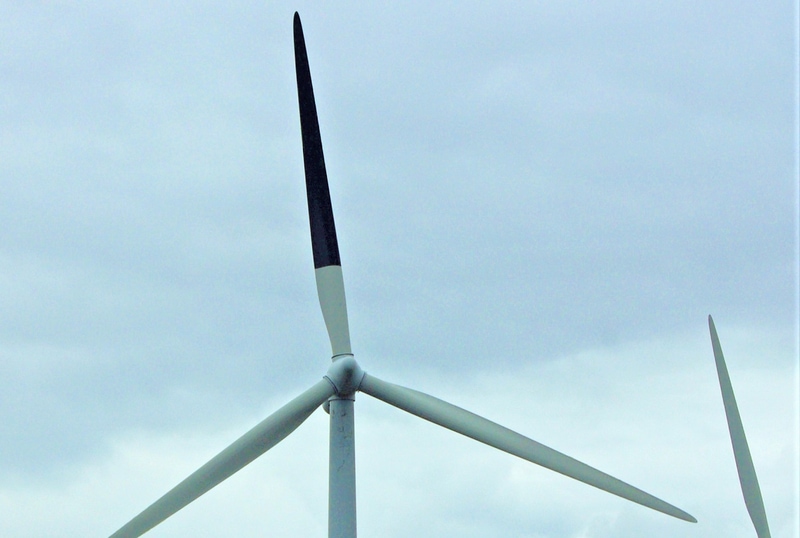
Sensors, cameras, microphones, and radar to determine the effectiveness of a black turbine blade
TNO is investigating whether painting one of the turbine blades black has an effect on bird behavior.
How does the wildlife detection system work?
Unlike traditional camera-only setups that struggle with low visibility or nocturnal activity, WTBird® utilizes a layered detection strategy. It integrates fiber-optic vibration sensors, or accelerometers, embedded within the turbine blades to detect the physical impact of an object. These sensors are paired with high-resolution cameras and AI-supported image analysis to identify the specific species involved. The system’s sensitivity is remarkable, capable of detecting collisions from objects weighing as little as 8 to 40 grams
When a vibration sensor triggers an alert, the system’s impact-classification algorithms immediately analyze the signal to filter out false positives caused by turbulence or mechanical noise. This automated approach ensures that only relevant events are recorded, providing a clear and defensible record of wildlife interactions without requiring constant manual oversight from shore-based teams.
Soon to be deployed in more wind farms
The data collected during these trials allowed the team to refine their machine learning algorithms, improving the system’s ability to distinguish between different types of impacts. This technical foundation was detailed in a final report submitted to the U.S. Department of Energy, highlighting the system's readiness for larger multi-megawatt offshore installations
WTBird® has reached Technology Readiness Level 9 (TRL 9), signifying it is fully commercially available. It has already been successfully deployed at the OWEZ offshore wind farm in the Netherlands, providing years of operational data.