
Skip the pitch, get real: Unitold reinvents university choice
UniTold connects high school students directly with university students who can share firsthand, unfiltered experiences about studying.
Published on May 16, 2026
David Atem Allain, UniTold
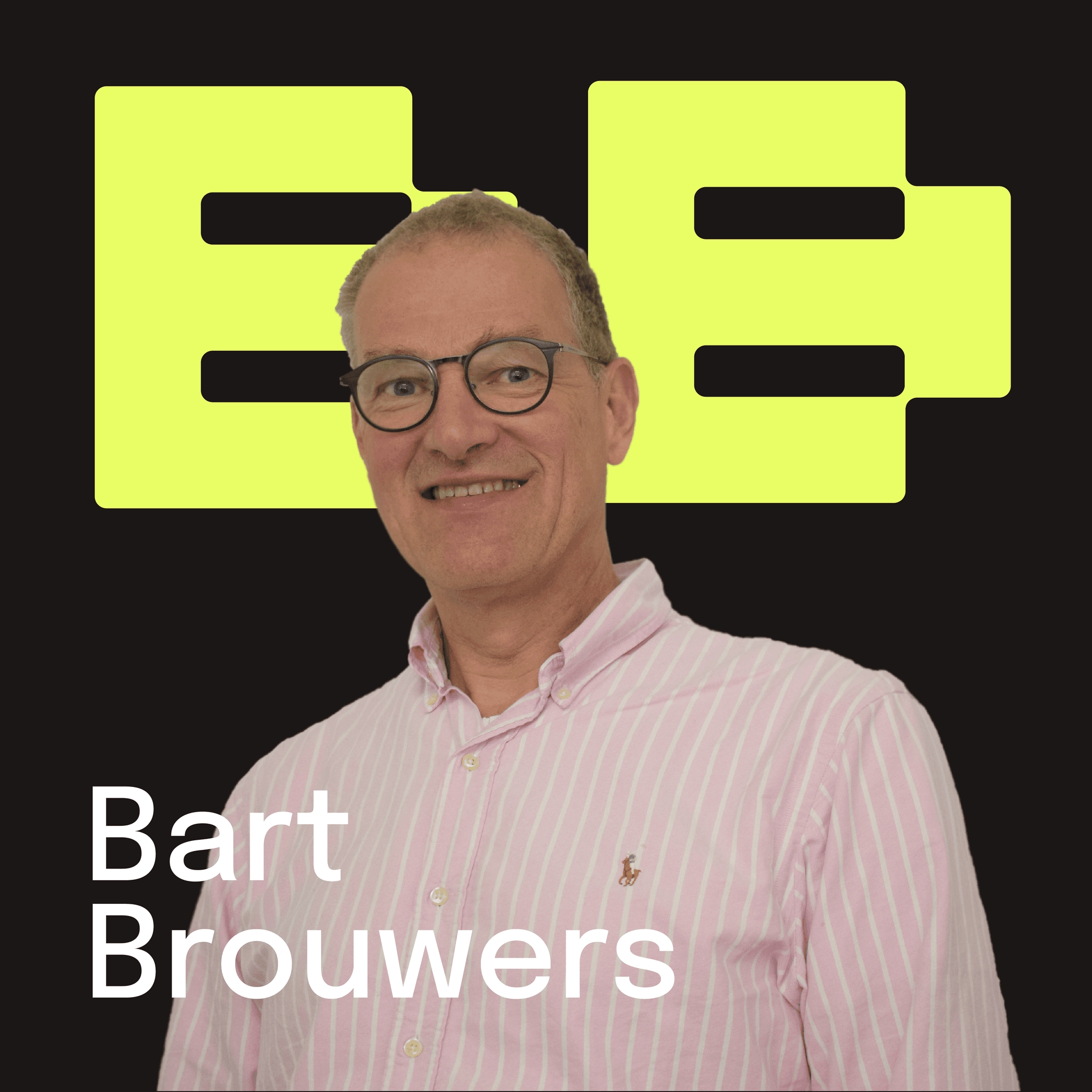
Bart, co-founder of Media52 and Professor of Journalism oversees IO+, events, and Laio. A journalist at heart, he keeps writing as many stories as possible.
A university brochure can tell you a lot. It can show shiny campuses, ambitious slogans, smiling students, and promises about your future. But according to Eindhoven-based startup Unitold, it rarely tells you what prospective students actually want to know: what does it really feel like to study there?
That was the provocative starting point of a pitch by TU/e student and founder David Atem Allain during last week’s edition of Gerard & Anton’s Demos, Pitches & Drinks in Eindhoven. “Skip the pitch. Get the reality,” he told the audience, immediately setting the tone for a startup that positions itself as an antidote to polished university marketing.
The idea behind Unitold is deceptively simple. The platform connects high school students directly with university students who can share firsthand, unfiltered experiences about studying at a specific institution or program.
External Content
This content is from youtube. To protect your privacy, it'ts not loaded until you accept.
In Allain’s view, the stakes are enormous. “Right now there’s a high school student making a €50,000 investment, a commitment that lasts four years of their lives into an unknown university that they don’t really know about,” he said on stage. “And this is based on a brochure that was honestly marketed by the university. Doesn’t mean that’s good or bad, but it’s marketing.”
That distinction matters to him. Universities, he argued, are not neutral advisers. “Universities are businesses,” he said bluntly. And that creates room for a platform built around peer-to-peer transparency instead of institutional storytelling.
The “untold experience”
Unitold describes itself as a marketplace for “the untold experience.” Instead of relying on official open days or carefully managed student ambassadors, prospective students can search for mentors who actually study the course they are interested in.
The matching process is intentionally detailed. Users can filter by university, degree program, and other criteria to find someone whose profile resembles their own ambitions or concerns.
Once a match is found, the platform allows direct interaction. Students who join Unitold receive free calls that they can use to speak with mentors on the platform. But Allain sees that only as the starting point.
“Quick tastes, focus sessions — the product ceiling has no limits,” he explained during the pitch. Mentors operate independently and can offer their own types of sessions or guidance formats. The platform itself takes a 25 percent commission, while 75 percent goes to the mentors.
That revenue split is central to Unitold’s growth strategy. By giving the majority of the income to the mentors themselves, the company hopes to create a self-propelling marketplace in which students actively promote their own profiles and services.
Reviews instead of rankings
The startup’s philosophy also challenges traditional ideas about academic prestige. Unitold does not primarily value mentors based on grades or elite credentials, but on communication skills and authenticity.
“We value mentors not on how well they’re doing at university,” Allain said, “but on how well they can communicate their experience and ideas to students.”
In practice, the platform is designed to function as a meritocratic system driven by reviews and ratings. Mentors who provide poor experiences or misleading information will naturally disappear from the marketplace, Allain argued, because users can immediately rate the interaction.
That mechanism, he believes, creates stronger incentives for honesty than institutional marketing ever could.
Already live
Unlike many early-stage startup pitches that revolve around future plans, Unitold is already operational. According to Allain, the technical foundations are in place: the platform runs on React, integrates payment provider Stripe, and is fully connected.
“It’s already shipped,” he told the audience.
The startup is now entering what he called its “first stage”: attracting both mentors and prospective students. During the pitch, Allain explicitly appealed to three groups in the room.
First, university students or recent graduates willing to become mentors. Top-performing mentors, he estimated, could earn more than €600 per month if they consistently provide sessions.
Second, parents or teenagers preparing for university applications in 2026. Unitold is currently offering free access and conversations to gather feedback and refine the platform.
And third, investors interested in ad-tech or marketplace models. “Meet me at the bar,” he concluded with a smile.
A broader shift in education?
Behind Unitold lies a broader cultural shift around education choices. Younger generations increasingly rely on peer reviews, online communities, and authentic experiences before making major decisions — whether they are choosing a product, a holiday destination, or now perhaps even a university.
In that sense, Unitold applies the logic of creator platforms and peer marketplaces to higher education. Instead of asking institutions to explain themselves, it lets students do the talking.
Whether that model can scale remains to be seen. Educational decisions are deeply personal, and universities themselves already invest heavily in student ambassadors and community building. But Allain’s pitch clearly touched a nerve: many students recognize the gap between official messaging and lived reality.
Or as Unitold frames it: the most valuable information about university life may not come from the university at all.