
Raised fuel prices push shift toward greener transport
The war in the Middle East and the rising fuel prices drives people to take the train and invest in electric cars.
Published on April 2, 2026
Masterstudente journalistiek aan de RUG, stagiair bij IO+, schrijft graag over de integratie van AI in het dagelijks leven
The ongoing conflicts in the Middle East are having effects far beyond the region itself. One of the most noticeable consequences in Europe is the rise in fuel prices. As petrol and diesel prices soar, commuters are turning to alternatives such as electric vehicles and public transportation.
Rise in electric car sales
Public transportation is not the only alternative gaining traction. Many consumers are also turning to electric vehicles (EVs) as a long-term solution to high fuel costs. According to the Dutch trade association Bovag, car dealers are seeing a noticeable increase in EV sales.
In March—the first full month since the escalation of conflict involving Iran—sales of used EVs rose by as much as 50% compared to the previous month, according to the Bovag report. This sharp increase suggests that more consumers are seriously considering electric driving as a way to avoid volatile fuel prices.
Electric vehicles offer several advantages. They produce fewer emissions, reduce dependence on fossil fuels, and can be cheaper to operate over time. However, they also come with drawbacks, including higher upfront costs and a growing reliance on electricity.
Pressure on the power grid
While environmentally friendly transport offers clear benefits, it also introduces new challenges. As more people switch to electric driving to avoid high fuel costs, electricity demand continues to rise. That puts further pressure on the power grid.
In the Netherlands, this issue is already becoming visible. Grid operators are working to expand capacity, but progress is complex and time-consuming. To manage demand, efforts are being made to promote “smart charging,” which encourages users to charge their vehicles during off-peak hours. For example, charging later at night or early in the morning when less households are using power at the same time. It helps to charge in the moments of the day where green electricity is being generated - when the sun shines or the wind blows - as electricity prices are lower due to the influx of cheap renewable energy into the grid.
Despite these measures, grid congestion remains a significant challenge, particularly as the transition to electric transport accelerates. Driven in part by rising fuel prices linked to geopolitical tensions, public transport and electric vehicles offer cleaner and often more affordable alternatives to traditional driving.
However, this transition also creates new dependencies and risks. Increased pressure on the electricity grid and the vulnerability of digital systems raise important questions about reliability.
Public transport gains popularity
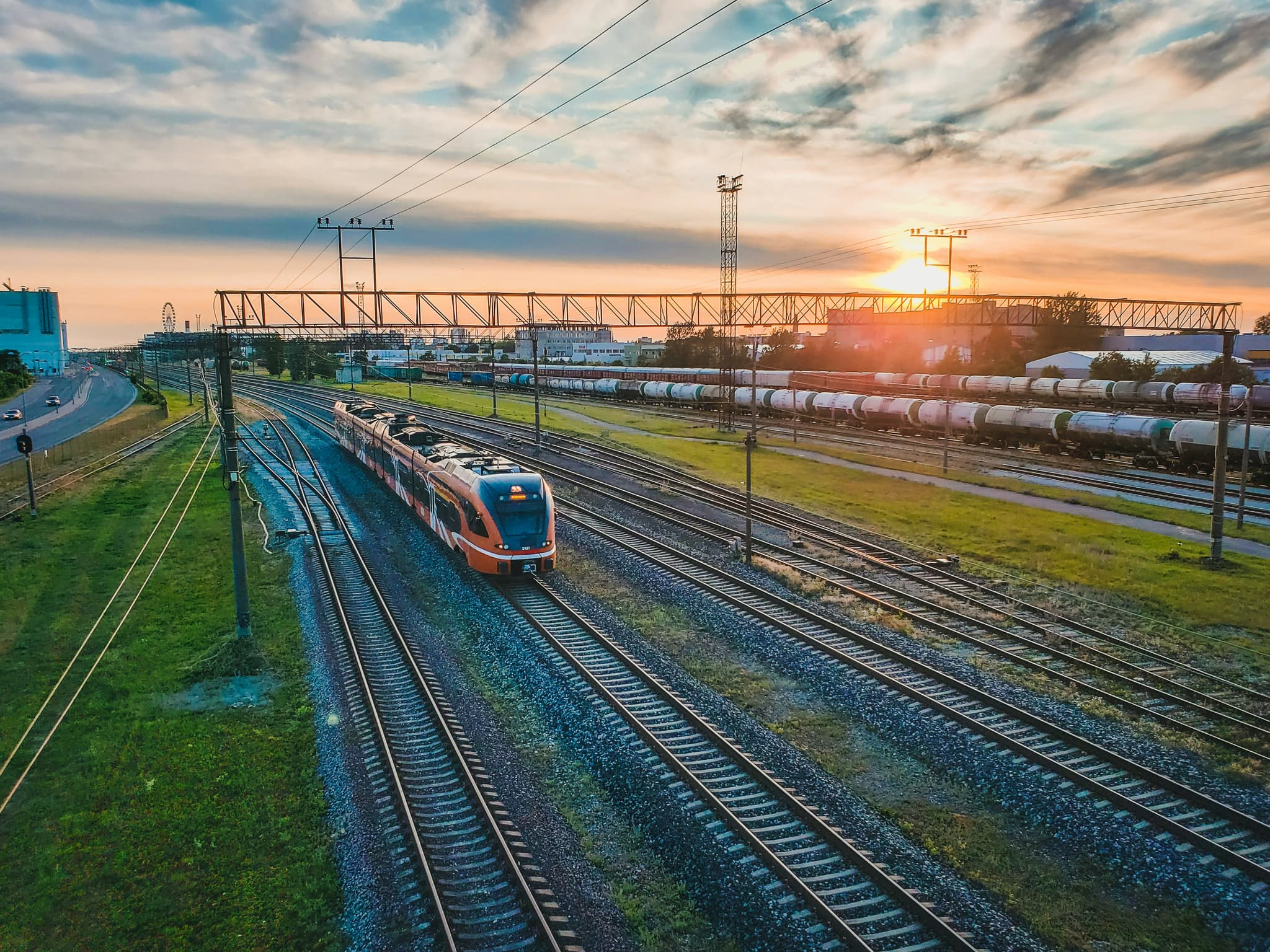
One immediate effect of higher fuel prices is an increase in the use of public transportation. Political momentum is also building around making trains even more accessible. The Dutch political party GroenLinks-PvdA has proposed introducing a “climate ticket” during the summer months. For nine euros per month, passengers would be able to travel freely during off-peak hours. Member of Parliament Habtamu de Hoop has advocated for this initiative, noting that rising fuel prices have made such measures more relevant than ever.
Germany and Spain have already experimented with climate tickets. In Germany, the €9 ticket in the summer of 2022 was sold 52 million times. It resulted in an estimated reduction of 1.8 million tons of CO₂ and led to a 10% decrease in car trips. This success was followed by the introduction of the monthly 49-euro ticket, known as the “Deutschlandticket,” which is designed to make regional public transportation affordable.
Meanwhile, Dutch railway company NS is already seeing increased demand for its discounted “PrijsTijd Deals” tickets, which are valid during off-peak hours. Sales of these tickets doubled in 2025 compared to the previous year, and the company expects further growth in 2026. In 2025, these low-cost tickets generated approximately 55 million additional, sustainable travel kilometers in the Netherlands.