
Podcast: If we could literally see CO2 in the air
In the podcast series “The story behind the story,” our editors look back on stories they wrote in 2025.
Published on December 23, 2025
%2520(1).png&w=2048&q=75)
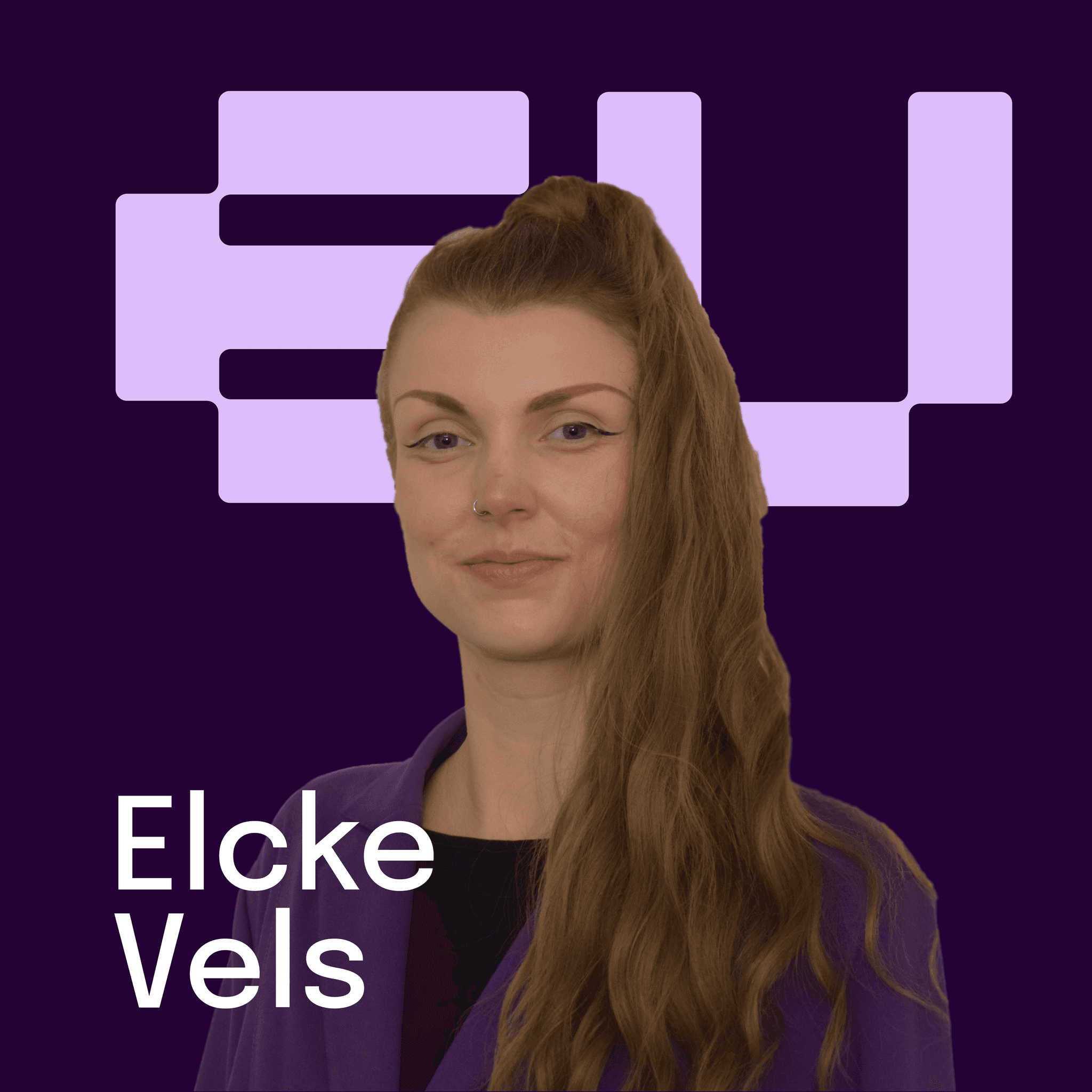
Our DATA+ expert and Editor-in-Chief, Elcke Vels, explores AI, cyber security, and Dutch innovation. Her "What if..." column imagines bold scenarios beyond the norm.
Every day, the editors at IO+ are busy publishing stories. But which stories from 2025 really made an impression? Welcome to our mini-podcast series, 'The Story Behind the Story.' Each editor chooses an article from this year. Today: (chief) editor Elcke Vels. She wrote: Bright red sky: if we could literally see CO₂.
External Content
This content is from youtube. To protect your privacy, it'ts not loaded until you accept.
Elcke, what is your story about?
“I have columns series in which I highlight ‘what if’ scenarios. What if every company implemented cybersecurity properly? What if no one ate meat? One of the columns I wrote this year is about: what if we could literally see CO₂ in the air, as a bright red color?”
Why did this story have an impact on you?
"I wrote this story out of frustration. I think we keep pushing climate goals further and further into the future. The chance that we will achieve the 2030 climate goals is extremely small. Little has come of the climate summit either. And so it goes on. If we could literally see CO₂ colored red in the air, I think things would be different. If you were driving to work and you saw red air escaping from the cars in front of you. Or if you were driving past Tata Steel. Then I think we would all act much more urgently."
What would change in our lives if we could actually see CO₂?
"People are wired to focus primarily on their immediate surroundings. On what they can see, smell, and taste. If you could actually see smoke in front of your eyes, bright red, people would act differently. We might see more climate protests. And I hope that in the longer term, we would see more regulation in this area.
When I reflect on the corona crisis, for instance, I immediately think of face masks. That's because you could see face masks directly in your environment. You couldn't see the virus itself. When something is tangible, it has more impact."
Is there a sequel in the making?
"Making something visible that is in fact invisible: this concept can be applied in a thousand ways. I was just sitting in my car and thinking: we also have a cybersecurity crisis. Many companies in the Netherlands are not taking the measures they should be taking because they don't know of any companies in their area that have been hacked. But what if every hacked company had a sign on its facade saying: I have been hacked? Would companies be more likely to take action because the problem feels more urgent? I'm going to write a story about that."