
New pipeline between Iraq and Turkey is good news for Europe
A strategic pipeline between Iraq and Turkey offers an alternative to the blocked Strait of Hormuz.
Published on April 21, 2026

Team IO+ selects and features the most important news stories on innovation and technology, carefully curated by our editors.
The global energy market is reeling from the ongoing blockade of the Strait of Hormuz. This narrow waterway is crucial for crude oil exports. The International Energy Agency (IEA) is now strongly recommending investment in alternative overland routes. A new pipeline between the Iraqi city of Basra and the Turkish port of Ceyhan is central to this effort. This project is intended to immediately reduce the vulnerability of the global energy supply.
Need for an alternative route
The current crisis in the Middle East exposes a fundamental weakness in the global energy infrastructure. In March 2026, the global oil supply dropped drastically. This decline is a direct result of the insecurity in the Strait of Hormuz. Fatih Birol of the IEA describes the situation as alarming. He advocates for the immediate construction of a new connection between the oil fields in southern Iraq and the Turkish Mediterranean coast. This route completely bypasses the high-risk maritime chokepoints. The IEA sees this not only as a commercial opportunity for Iraq and Turkey. It is a necessary step to ensure global energy security.
Existing infrastructure
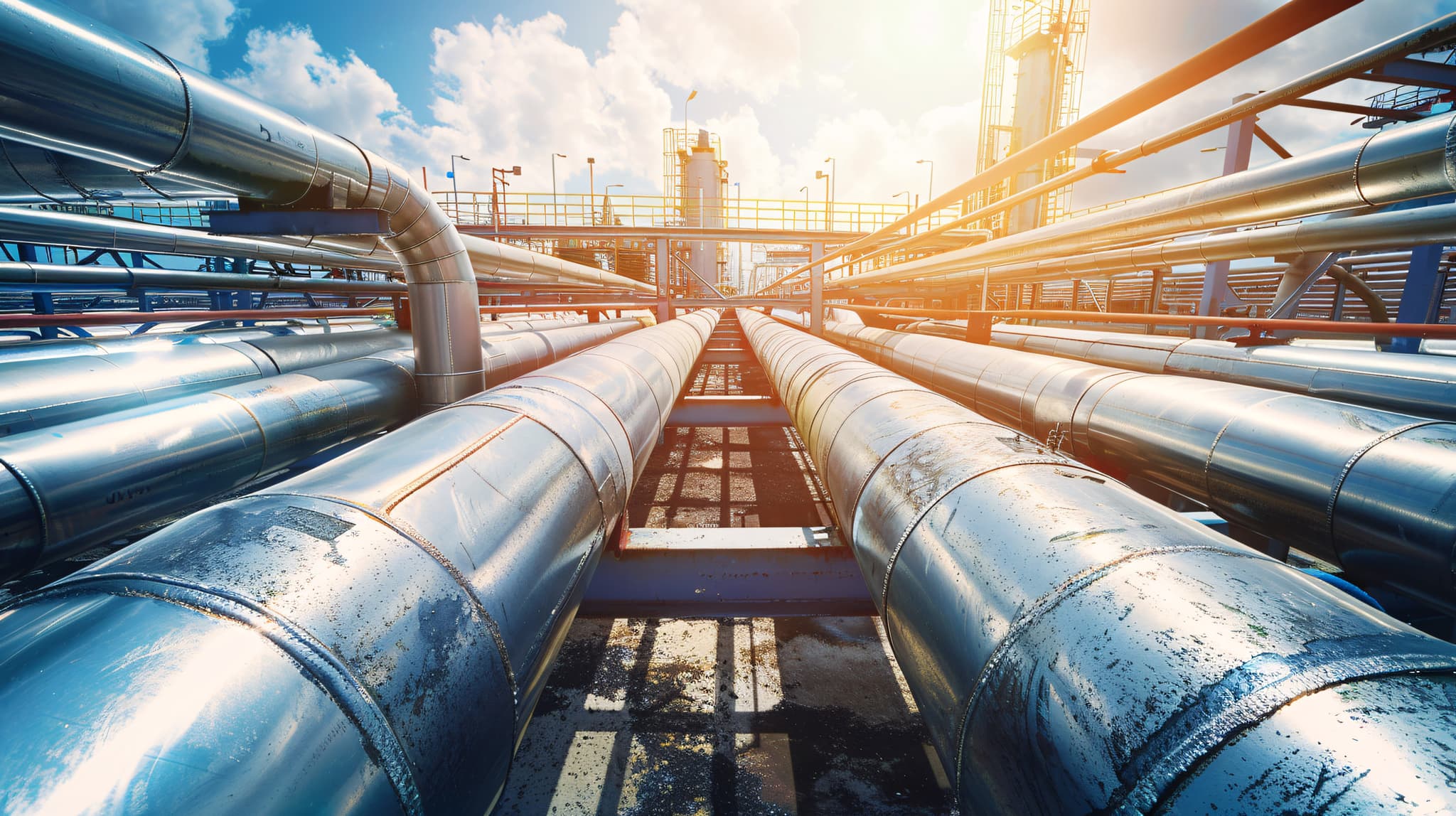
The project aims to maximize transport capacity between the two countries. The existing pipeline system between Kirkuk and Ceyhan has a theoretical maximum capacity of 1.5 million barrels per day. Work is currently underway on this network. A key component is the 48-inch Baiji-Fishkhabour pipeline. This pipeline is currently in the final testing phase. Engineers are conducting hydrostatic tests over a 100-kilometer stretch to ensure its integrity. The expected capacity of this specific section is between 200,000 and 250,000 barrels per day. Turkey aims to have the entire system operating at full capacity. However, this requires new technical agreements and the modernization of the pumping stations. The commissioning of this 48-inch pipeline is the first concrete step.
The impact on European energy independence
For Europe, the new pipeline is of strategic importance for its own energy independence. The European Union is striving to diversify its energy sources to reduce its dependence on unstable regions. Although the EU does not directly finance the pipeline, it supports Iraq’s stability in other ways. Through the “Team Europe for Iraq” program, 165 million euros have been allocated for the period up to 2027. These funds are intended for economic reforms and the stabilization of the country. A stable Iraq is a prerequisite for a reliable oil supply to Europe. The connection to Ceyhan brings Iraqi oil directly to the edge of the European market. This reduces the need for long and dangerous tanker shipments around the Arabian Peninsula. For the European economy, this means greater predictability in energy costs.
Political challenges and internal tensions
Despite the advantages, there are significant political hurdles to overcome. The relationship between the central government in Baghdad and the Kurdistan Regional Government (KRG) is complex. In the past, disagreements over oil exports have led to legal disputes and temporary closures of the pipeline. Baghdad is now attempting to gain more control over oil exports that bypass the Kurdish region. This creates internal tensions that could affect the reliability of the route.
In addition, the old treaty between Iraq and Turkey from 1973 expires on July 27, 2026. Negotiations for a new agreement are currently underway. Turkey has already submitted a draft agreement that includes a mechanism for full utilization of capacity. The outcome of these negotiations will determine whether the pipeline can actually realize its full potential.