
Netherlands purchases Swedish GlobalEye aircraft to combat drones
The Netherlands and Sweden are investing in Saab GlobalEye to improve surveillance of the air, sea, and land.
Published on September 10, 2026

Team IO+ selects and features the most important news stories on innovation and technology, carefully curated by our editors.
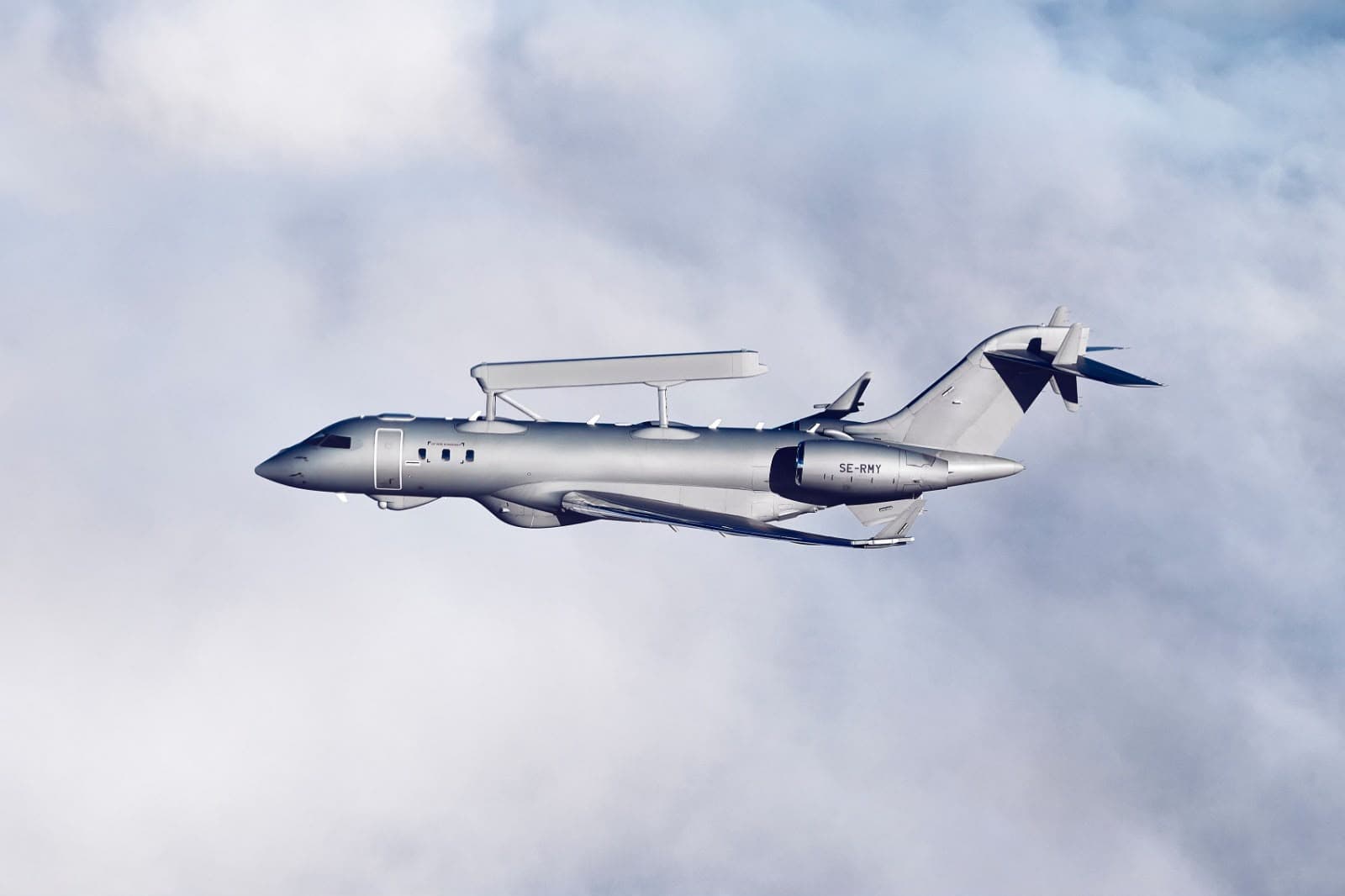
On September 10, 2026, the Netherlands signed a letter of intent with Sweden for the purchase of a Saab GlobalEye, an advanced reconnaissance aircraft capable of detecting drones, cruise missiles, and radar installations. The aircraft fills a crucial gap: the Netherlands currently does not have its own aircraft with these capabilities and relies on outdated NATO AWACS aircraft. With the GlobalEye, the Netherlands will be able to detect threats more independently and share real-time information with allies.
Replacement for outdated NATO fleet
The GlobalEye will be the successor to the outdated Boeing E-3 Sentry, the AWACS aircraft that NATO has been using since 1982. Production of these aircraft ceased in 1992, and the deadline for replacement is 2035. Originally, the American Boeing E-7 Wedgetail was the obvious successor, but the U.S. withdrew from the NATO replacement program. As a result, European countries, including the Netherlands, sought an alternative. Saab’s GlobalEye offers a range of more than 650 km, an endurance of over 13 hours, and the ability to simultaneously monitor air, sea, and land areas.
Cooperation with Sweden strengthens European autonomy
The Netherlands and Sweden will collaborate in a joint fleet of four GlobalEye aircraft: one Dutch and three Swedish. Starting in 2028, Dutch crews will have access to the Swedish aircraft to gain experience. The Dutch aircraft will not be delivered until 2031. This collaboration not only strengthens ties between the two countries but also contributes to European defense cooperation. Through this, both countries are taking on greater responsibility for Europe’s collective security.
Capabilities against modern threats
The GlobalEye is equipped with advanced radar systems, sensors, and communications equipment. The aircraft can detect hard-to-detect threats such as drones and cruise missiles, identify radar installations, and gather specific intelligence. The collected data is shared directly with aircraft, ships, and ground forces, contributing to real-time and detailed situational awareness. In addition, the aircraft serves as a flying command center, which improves coordination during operations.
France leads the way in Europe
The Netherlands is not the first European country to opt for the GlobalEye. France has already ordered two aircraft, with an option for two more. This underscores the growing interest in European alternatives for defense capabilities, particularly as dependence on the U.S. decreases. The GlobalEye does have a small blind spot in front of and behind the aircraft, but this can be addressed through specific flight patterns or by deploying multiple aircraft. The decision to choose Saab is part of a broader strategy to strengthen the European defense industry.