
Navy strengthens defenses against drone attacks
The Navy is equipping its fleet with kinetic C-UAS systems to protect ships from drone attacks.
Published on August 25, 2026

Team IO+ selects and features the most important news stories on innovation and technology, carefully curated by our editors.
The Dutch Navy is strengthening its defenses against drone attacks. Yesterday, the Ministry of Defense signed a contract to equip the fleet with new Counter Unmanned Aerial Systems (C-UAS). These kinetic systems are designed to protect ships against hostile drones at medium range.
New C-UAS systems
The Navy is taking a new step in its defense against unmanned aerial vehicles. The system consists of a base station and a launch platform from which a drone interceptor is fired. The kinetic C-UAS can destroy incoming objects in the air. The system strengthens the defensive capabilities of both its own units and those of its allies.
What are C-UAS systems?
Counter Unmanned Aerial Systems (C-UAS) are technologies that detect, track, disrupt, or neutralize unmanned aerial systems. These systems include radars such as the IRIS radar, jamming systems that disrupt communication between drones and their operators, kinetic systems such as anti-drone cannons, and interceptor drones that ram or detonate enemy drones🔗︎.
Long-Term commitment to C-UAS capabilities
The Netherlands has been committed to drone defense for quite some time. The “Initial Counter-Unmanned Aircraft Systems (C-UAS)” project, which has been underway since 2020, focuses on acquiring capabilities for the defense of the Kingdom, international missions, and support for national authorities🔗︎. In 2024 and 2025, additional investments were made in various C-UAS projects, including the procurement of mobile combat C-UAS platforms, the expansion of Skyranger30 anti-drone cannon systems, and the acquisition of light patrol vehicles with integrated weapons for the Army and Navy🔗︎. The total investment in C-UAS capabilities ranges from €1 billion to €2.5 billion, underscoring the urgency and importance of these systems🔗︎.
Hornet B2: a maritime solution against drones
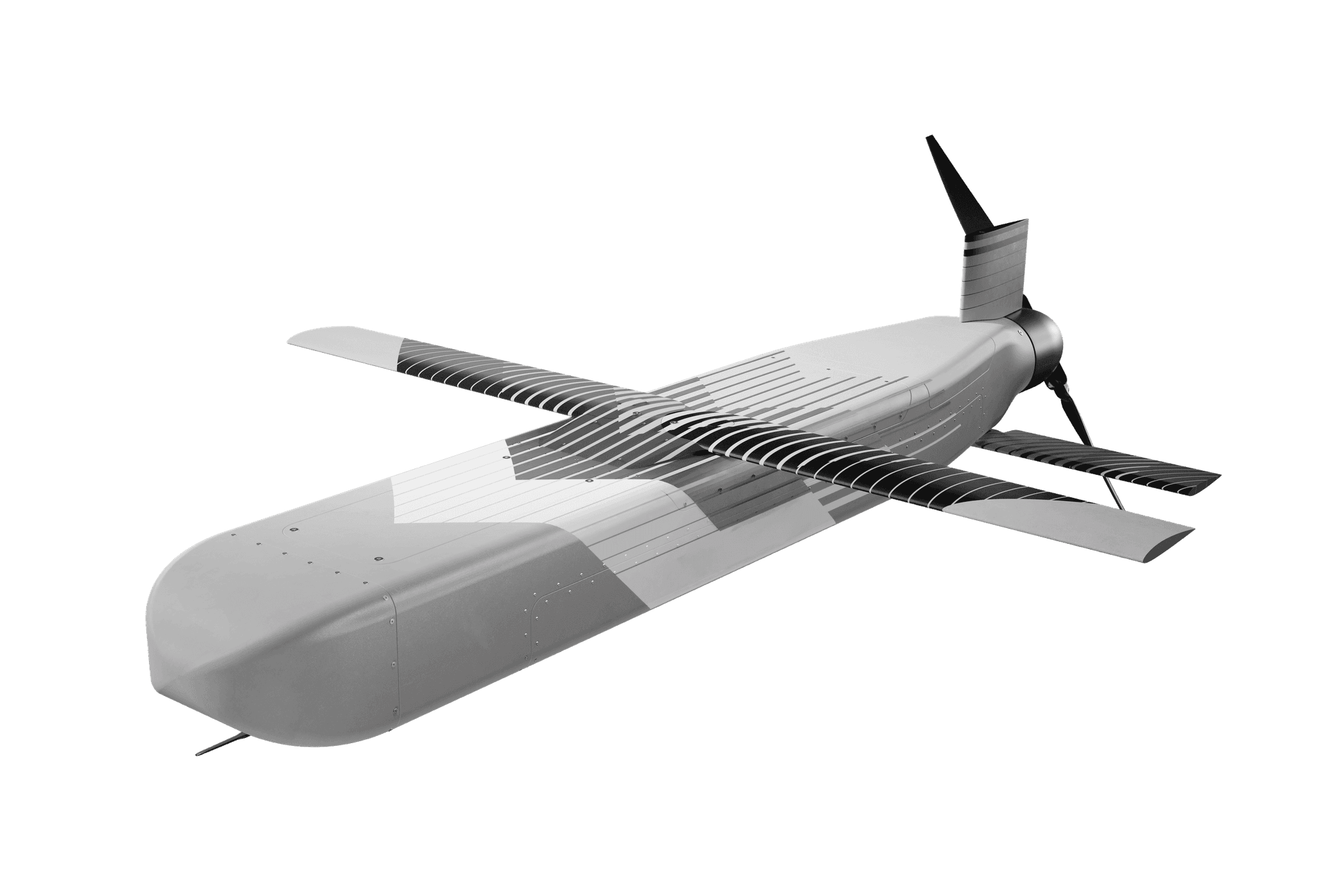
One of the systems currently under development for the Navy is the Hornet Block 2, developed by the Dutch company Destinus. This kinetic C-UAS system is specifically designed for maritime deployment and has a range of 70 km. The system is launched using a rocket booster, after which its wings unfold and it transitions to an electrically powered cruise mode. It uses electro-optical and infrared sensors for target detection and tracking, supported by radar guidance and AI-based processing🔗︎. The Hornet B2 is not a replacement for existing air defense systems, but provides additional capability against low-cost, swarm threats. Delivery is scheduled for the second quarter of 2027🔗︎.