
Mosa Meat receives €15 million new capital
Additional investments will enable Mosa Meat to scale up cultured meat more quickly and make it more affordable.
Published on December 23, 2025

Team IO+ selects and features the most important news stories on innovation and technology, carefully curated by our editors.
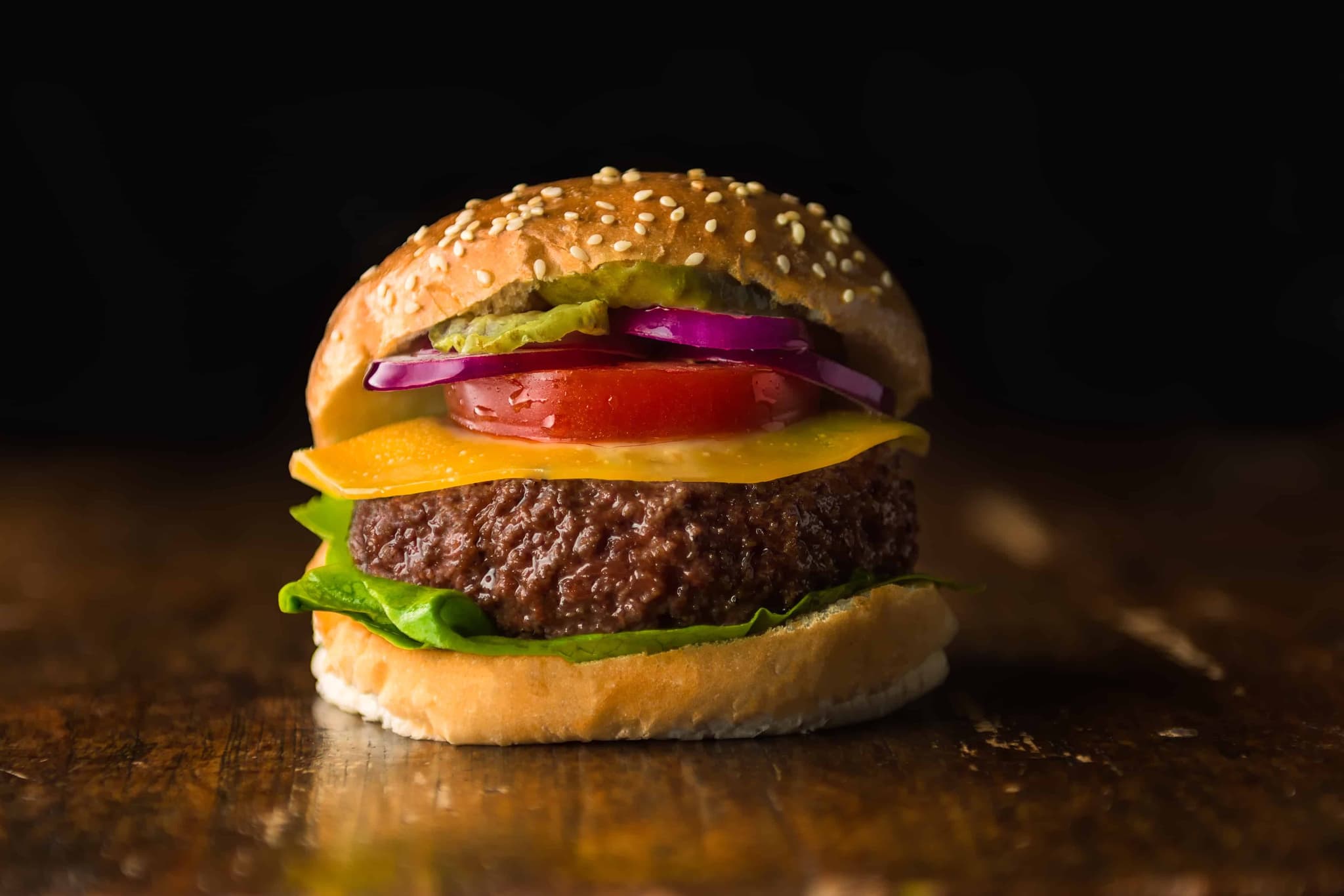
The verdict on the European cultured meat sector seemed to have been delivered: too expensive, too slow, and too technologically complex. But now, a powerful response is coming from Maastricht. Mosa Meat has not only completed a new investment round of €15 million, but also reports a fundamental breakthrough in the economic viability of its product. Whereas the first cultured burger in 2013 carried an astronomical price tag of €250,000, the company now claims to have cracked the “cost code.” This is not an incremental improvement, but a paradigm shift that catapults the technology from a scientific curiosity to a scalable business model.
The capital gap
In a macroeconomic climate where venture capital is scarce, the recent capital injection serves as a crucial signal of market confidence. Mosa Meat has raised a total of €58 million over the past two years, with the latest tranche of €15 million coming from a consortium including Invest-NL, LIOF, and strategic partners such as the PHW Group and Jitse Groen. This financial buffer is essential. It enables the company to bridge the ‘Valley of Death’ between R&D and commercial upscaling. While the sector worldwide is struggling with liquidity, Mosa is positioning itself with this war chest to ramp up production at its 7,343 m² facility in Maastricht to industrial volumes.
Cracking the cost code
The financial injection is directly linked to a technological victory: eliminating the cost barrier. Mosa Meat claims a cost reduction of 99.999% compared to their 2013 prototype. The key to this reduction is the cell culture medium—the nutrient broth for the cells—which traditionally accounted for the largest cost item. By replacing the controversial and costly fetal bovine serum (FBS) with an animal-free alternative, the Medium Optimization team managed to reduce the cost of this crucial component by a factor of 80. CEO Maarten Bosch emphasizes that the product is now ready for restaurant menus, a claim that shifts the discussion from “if” to “when” cultured meat will be on the plate.
Darwinism in biotech
Mosa Meat's success stands in stark contrast to the recent carnage elsewhere in the sector. The market is undergoing a brutal correction, a form of industrial Darwinism in which only the players with the deepest pockets and the most efficient technology survive. This became painfully clear when Dutch competitor Meatable recently had to close its doors after a failed financing round, despite raising a total of $139 million. Israeli company Believer Meats also ceased operations. This consolidation underscores the urgency of Mosa's achievement: in a field where promising startups are collapsing, Mosa Meat is proving to have the strategic resilience to stay afloat.
The bureaucratic siege
With the technology and financing in place, the focus of the battle is shifting to regulation. Mosa Meat is the first party in the history of the EU to submit a Novel Foods application for cultured beef, specifically for cultured fat. This dossier of nearly 1,000 pages is a legal siege of strict European food legislation. Although approval by the EFSA is not expected for another year and a half to two years, Mosa is setting the standard for the rest of the industry. The strategy is clear: whoever breaks down the European regulatory wall first will dominate the market of the future.