
Insulating the worst homes could halve Dutch energy poverty
A €500m investment in the Netherlands' worst-insulated homes could nearly halve the number of households trapped in energy poverty.
Published on April 9, 2026
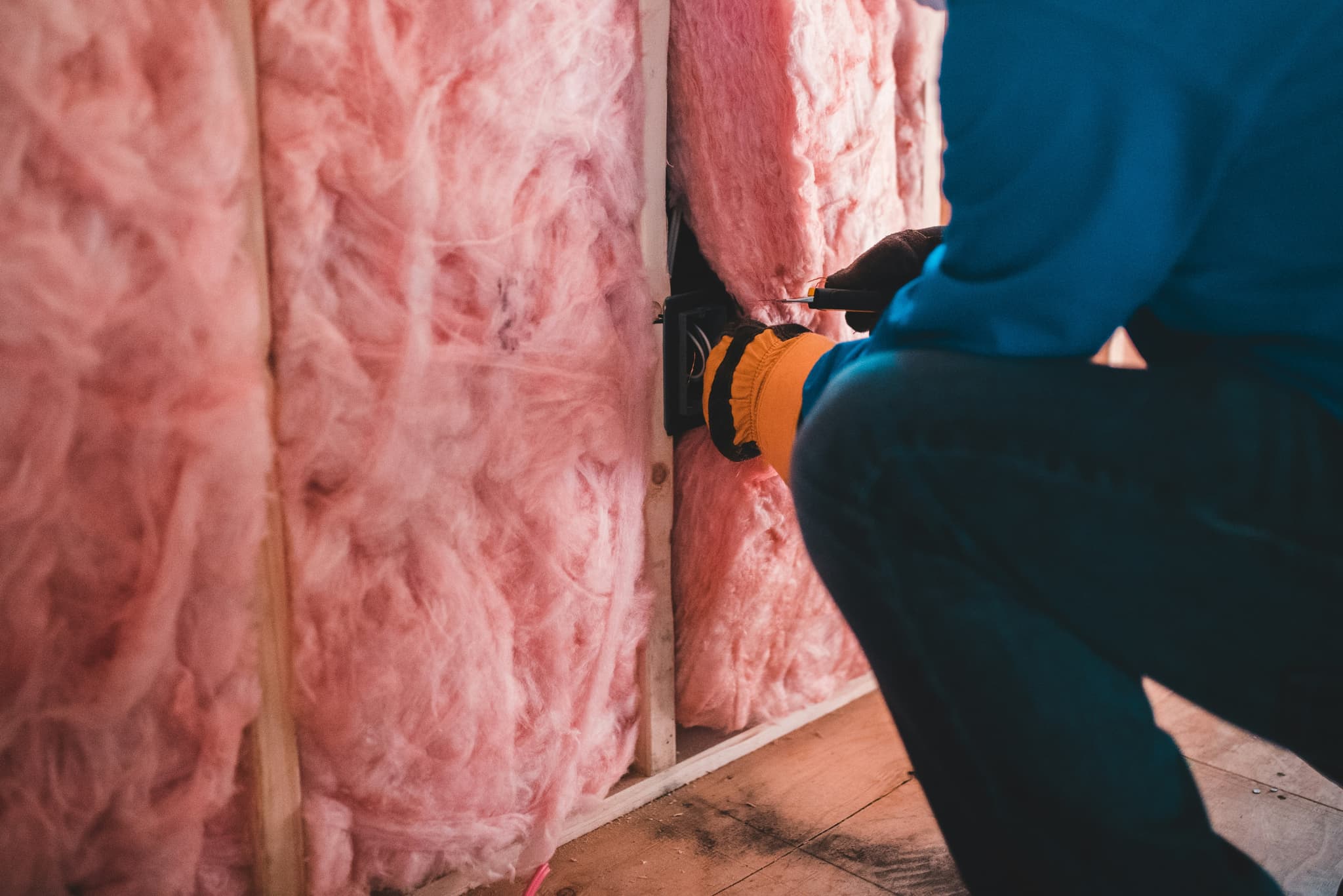
© Unsplash

Team IO+ selects and features the most important news stories on innovation and technology, carefully curated by our editors.
The worst-insulated homes in the Netherlands may actually be the best investment. A new study finds that targeting the most energy-inefficient houses delivers the biggest gas savings per euro spent — turning the logic of subsidy policy on its head.
The research, conducted by the Netherlands Organization for Applied Scientific Research (TNO), has identified approximately 23,200 energy-poor households living in homes with the worst energy labels F and G. Investing €500 millions in them (an average of €21,291 per home), could save over 800 cubic meters of gas per household annually, roughly what the average European family uses in 3-5 months for heating and cooking.
"Although home insulation cannot completely solve energy poverty, insulation can reduce by nearly half the number of energy-poor households with a very high energy ratio. Homes with the worst energy labels are logically the most expensive to make more sustainable, but also deliver the highest gas savings," said Peter Mulder, lead author of the study.
Given the recent surge in gas prices, the urgency of insulation has been heightened, with less-affluent households facing rising energy bill costs.
Energy poverty in the Netherlands
As of 2023, approximately 330,000 Dutch households, or 4.0% of the population, lived in energy poverty. The definition of this condition is precise: households with incomes below 130% of the low-income limit who spend more than 8% of their disposable income on energy. While the number of affected households has decreased from over 500,000 in 2000, the situation remains precarious due to the discontinuation of the €1,300 annual energy allowance in 2024.
The cost of upgrading a G-rated home to an A-rated home is substantial, with some estimates reaching €32,500 per property. This creates a massive financial barrier for low-income homeowners who lack the capital to invest up front. Current research from the Amsterdam Business School indicates that existing subsidies disproportionately benefit high-income earners, who are nearly twice as likely to utilize them as those earning less than €25,000.
Tailoring support schemes to each context
Energy poverty is not distributed evenly across the Netherlands. TNO research highlights that the problem is most prevalent outside the Randstad, specifically in the northern, eastern, and south-eastern provinces. While municipalities such as Almere and Pijnacker-Nootdorp lead the country in energy efficiency, provinces such as Limburg and Zeeland continue to lag behind, with only one-third of homes carrying an A-label or higher.
Aid schemes are shifting toward a decentralized, municipality-led model. Local governments in regions such as Groningen and Drenthe are developing energy-poverty agendas that prioritize structural renovations over temporary financial aid. These local strategies allow for a more nuanced understanding of the specific housing stock and the socio-economic needs of residents.
By empowering municipalities to manage the €500 million investment, the state can ensure that the upgrades are tailored to the architectural and economic realities of each province. This regional focus is essential for maintaining social cohesion as the country navigates the complexities of the energy transition, ensuring that no province is left behind in the move toward a carbon-neutral future.
Making the country more resilient to the energy market shocks
The recent surge in oil prices directly alters the return on investment (ROI) for insulation projects. While high gas prices shorten the payback period for energy-saving measures, they also create a 'double-edged sword' effect. The energy-intensive processes required to manufacture insulation materials and high-efficiency glass mean that the cost of execution is also rising.
Despite these rising material costs, the strategic autonomy gained by reducing gas dependency is invaluable. TNO's recommendation to focus on the worst-insulated homes acts as a hedge against future price shocks. By reducing the annual gas demand of the poorest fraction of the housing stock, the Netherlands reduces its exposure to international supply disruptions. This makes insulation a matter of national security as much as environmental policy.