
GPS disruption affects dozens of aircraft over the Netherlands
Aircraft experienced GPS disruptions over the Netherlands last Monday.
Published on November 16, 2026
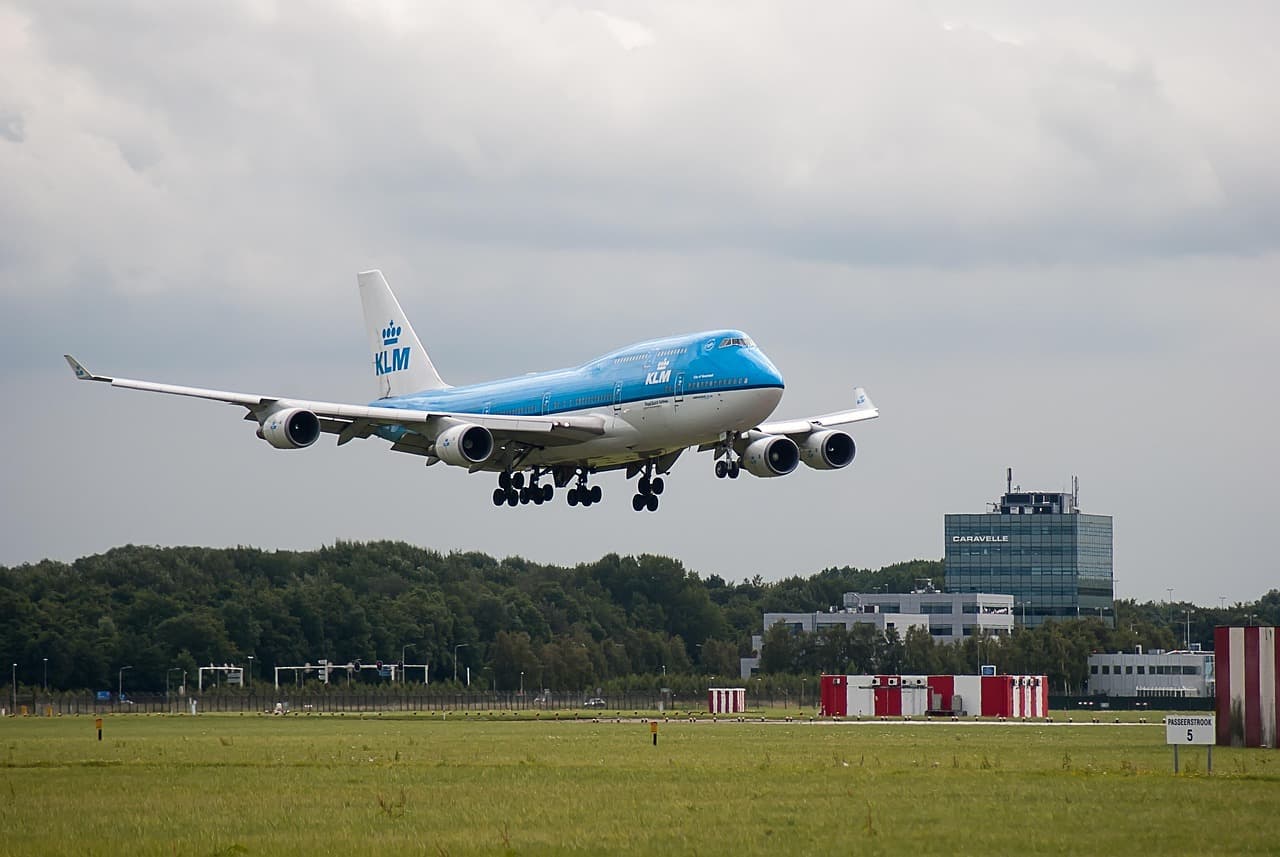
The GPS signals of dozens of aircraft over the Netherlands were disrupted last Monday. Seven aircraft en route to Schiphol Airport reported problems with their navigation systems. Thanks to alternative systems, the aircraft were able to land safely. Air Traffic Control the Netherlands (LVNL) considers it likely that the disruption was caused by jamming: the deliberate interference with radio signals.
The disruptions were reported on several flight-tracking websites, including Hexbird and GPSwise. According to GPSwise, around fifty aircraft experienced GPS disruptions for approximately twenty minutes.
LVNL confirmed to Dutch newspaper NRC that seven aircraft scheduled to land at Schiphol reported disrupted GPS signals. The aircraft were able to maintain contact with air traffic control during the disruption and land safely. Aircraft are equipped with backup systems that allow them to navigate when GPS becomes unavailable. According to LVNL, the disruption had no further impact on air traffic and did not pose a safety risk.
GPS jamming
Although the cause has not yet been definitively established, LVNL considers jamming a likely explanation. Air traffic control has reported the incident to the Dutch Authority for Digital Infrastructure (RDI), which is investigating the disruption. LVNL cannot yet comment on any additional measures.
GPS jamming is a form of electronic interference in which a transmitter broadcasts radio signals on the same frequencies used by satellite navigation systems. As a result, receivers can no longer properly distinguish the weak signals from GPS satellites, causing them to lose positioning or navigation data.
An analysis by Hexbird points to a possible jammer at sea level, between 150 and 200 kilometres north of the Dutch island of Texel. At the time, six Russian-flagged vessels were sailing in the area. According to NRC, three of them may have been part of a convoy transporting weapons and escorted by the Russian navy. It has not been established whether the vessels were actually responsible for the GPS disruption.
Hybrid threats
This is not the first time aircraft over the Netherlands have experienced GPS disruptions. In July, 58 aircraft were affected by similar problems. Jamming is relatively uncommon in the Netherlands, while several countries in Eastern Europe experience it more frequently.
The disruptions are part of a broader trend in which navigation and communication systems are vulnerable to hybrid threats. Earlier this year, the Dutch Aviation Authority warned about the impact of hybrid warfare on aviation safety, including the deliberate interference with GPS signals.