
EU invests €9.1M in technology that removes CO₂ from the air
The European Commission has selected Sirona Technologies’ Project Furu for a grant of up to €9.1 million.
Published on October 21, 2026
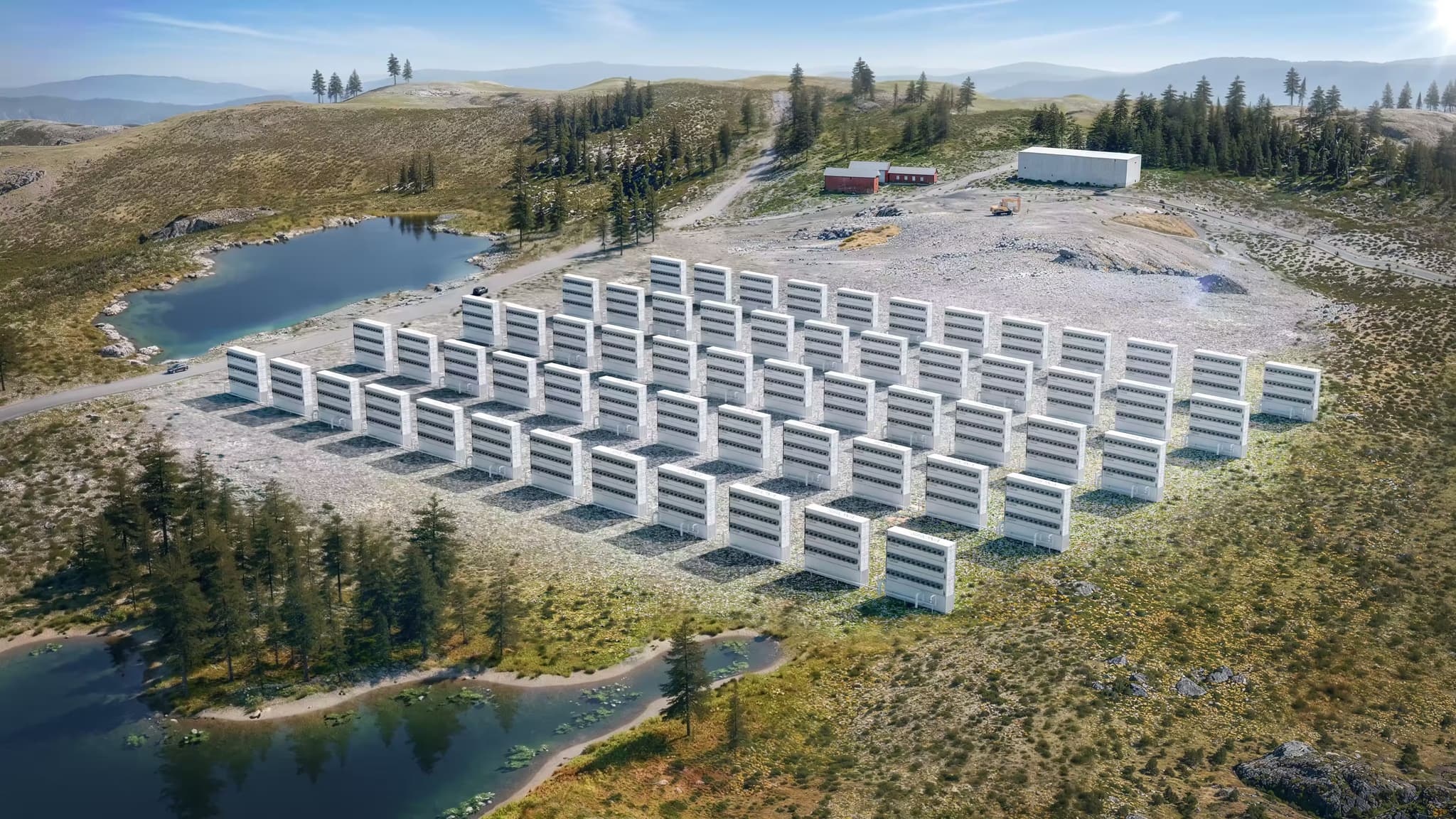
© Sirona Technologies
Belgian company Sirona Technologies will receive up to €9.1 million from the European Union for the development of a facility that captures carbon dioxide (CO₂) directly from the air and stores it permanently. The project, which is being developed in Norway, is the first air capture initiative to receive support from the EU Innovation Fund. The fund supports innovative technologies that reduce emissions and accelerate the transition to climate neutrality.
“Europe will not reach net zero without permanently removing carbon from the atmosphere, and it needs that industry built here,” says Thoralf Gutierrez, CEO and co-founder of Sirona Technologies.
The development comes at a time when limiting global warming is becoming increasingly difficult. According to a UN report, it is now inevitable that global warming will exceed 1.5°C, partly because greenhouse gas emissions have continued to rise. Technologies such as those developed by Sirona Technologies can help remove some of the CO₂ already present in the atmosphere.
Removing CO₂ directly from the air
Project Furu uses Direct Air Capture and Storage (DACCS), a technology that captures carbon dioxide directly from the air and stores it permanently underground. Unlike industrial carbon capture, which typically prevents emissions from entering the atmosphere, DACCS removes carbon dioxide that is already in the atmosphere.
The technology can help offset residual emissions from sectors such as aviation. The EU sees permanent carbon removal as a potential tool for achieving climate neutrality by 2050.
Sirona manufactures its units in standard shipping containers in Brussels before transporting them to Norway. This modular design allows the company to expand capacity without having to redesign the installation. The first units are expected to begin capturing CO₂ in 2027. In the longer term, Sirona aims to remove more than 100,000 tonnes of CO₂ per year, equivalent to the annual emissions of around 22,000 passenger cars.
Storage beneath the North Sea
The facility runs on hydropower and separates carbon dioxide from the air it draws in. The gas is then purified and liquefied. Through CCB Energy’s planned CarbonLink terminal, the CO₂ is expected to be transported to Northern Lights, an infrastructure network for transporting and permanently storing CO₂ beneath the North Sea.
The choice of location is partly driven by the availability of hydropower and the proximity of storage infrastructure. This allows the project to make use of existing and developing components of Norway’s CO₂ transport and storage network.
A potential European market
In addition to the grant, future EU policy could stimulate demand for permanent carbon removal. The European Commission has proposed procuring a total of 250 million tonnes of CO₂ removal between 2031 and 2040 through DACCS and BioCCS, which involve capturing and permanently storing CO₂. The proposal still needs to be approved by the European Parliament and the Council of the European Union. If approved, it could create a new market for companies that permanently remove CO₂ from the atmosphere.
Project Furu marks an early step towards building a European industry for permanent carbon removal. The technology could help offset hard-to-abate emissions and create opportunities for further expansion across Europe.