
Delft education cleanroom to solve shortage of chip technicians
"With facilities like this, for vocational, applied sciences and research universities, we can train the workforce needed for the economy."
Published on March 28, 2026

Team IO+ selects and features the most important news stories on innovation and technology, carefully curated by our editors.
Last week in Delft, the Beethoven Cleanroom was officially opened: a new educational facility designed to help address the growing shortage of technicians in the Dutch semiconductor industry. Companies such as ASML, ASM International, and BE Semiconductor Industries are in urgent need of additional technical talent. In South Holland alone, around 2,000 extra technicians will need to be trained by 2030.
Hester Bijl, Rector Magnificus of Delft University of Technology, attended the opening of the Delft Cleanroom, marking an important milestone for the Beethoven South Holland project:
“We are incredibly proud and pleased with this next step for technical talent in Delft’s deep tech ecosystem. With facilities like this, for students at vocational (MBO), applied sciences (HBO), and research university (WO) levels, we can continue training the workforce needed for the Dutch economy of the near future.”
Space for deep tech talent
Educational institutions from across the province, such as Delft University of Technology, The Hague University of Applied Sciences, Inholland University of Applied Sciences, ROC Mondriaan, and Leiden Instrument Makers School, are collaborating in the Beethoven Cleanroom alongside companies and government bodies to train technicians for the growing chip sector.
The ISO 7 cleanroom spans 100 square meters and includes space for fabrication and assembly activities. It is part of the national Beethoven program, and specifically the Beethoven South Holland initiative, which aims to strengthen the Dutch semiconductor sector and train thousands of additional technicians.
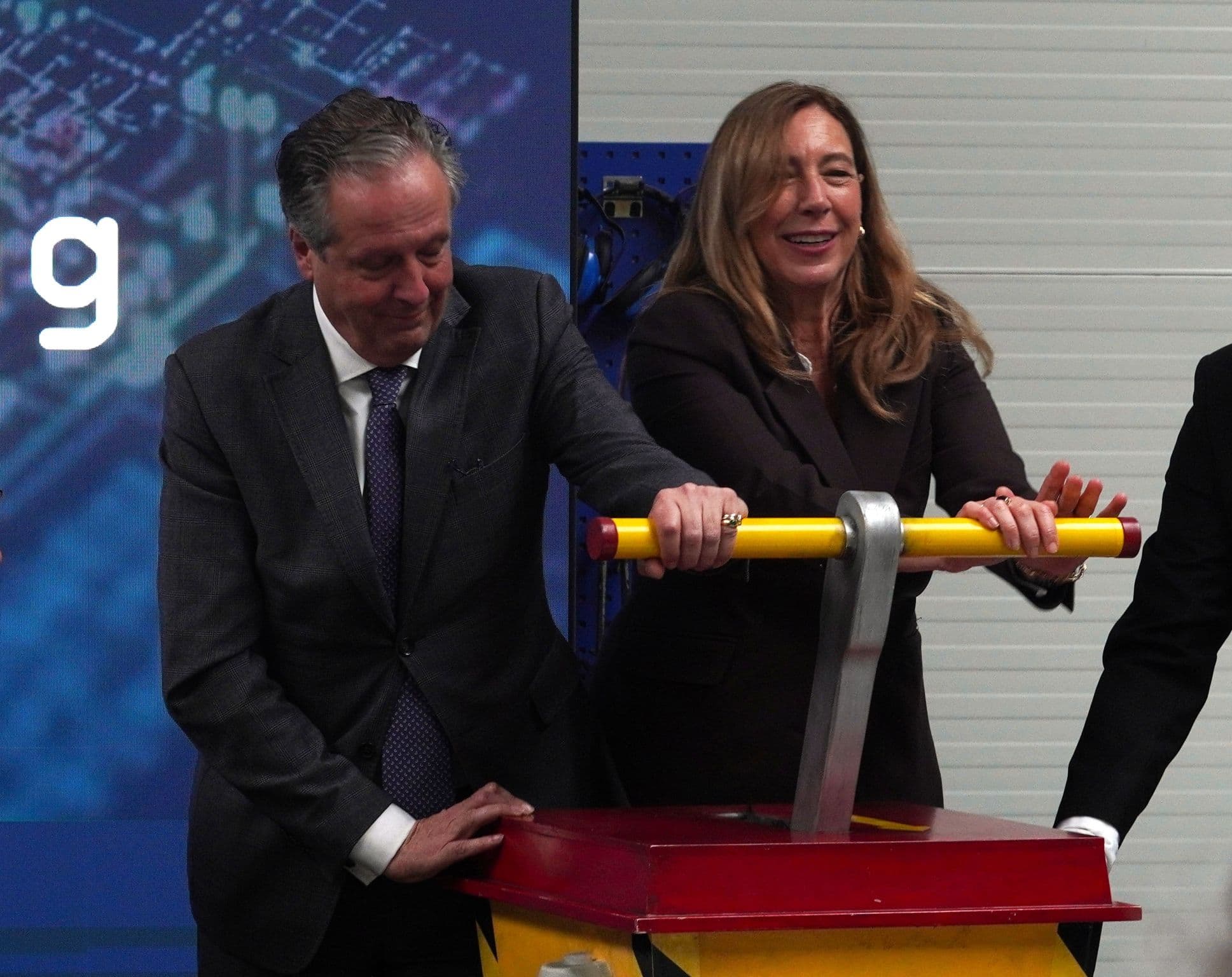
The opening was performed by Elisabeth Minnemann, Chair of the Executive Board of The Hague University of Applied Sciences, and Alexander Pechtold, Mayor of Delft. Pieter Telleman, Director of Delft Cleanrooms, explained to attendees the key differences between an educational cleanroom and one used for research and innovation, as well as the importance of such facilities for a thriving deep tech ecosystem.
The Delft ecosystem
Beyond its direct focus on education through the Beethoven project, facilities like this also strengthen the broader ecosystem. Education, research, and innovation in deep tech sectors all rely on cleanrooms for both knowledge development and the testing of new projects.
As Bijl noted: “Who knows—one of these students may go on to start a company that grows here in Delft into the next major European player. Facilities like this are crucial for ensuring that the Netherlands remains globally competitive in areas such as quantum computing in the long term.”