
Damaged lungs can learn to repair themselves again
For patients with a chronic respiratory disease, breathing is a daily struggle. This startup may have found the missing signal.
Published on April 22, 2026
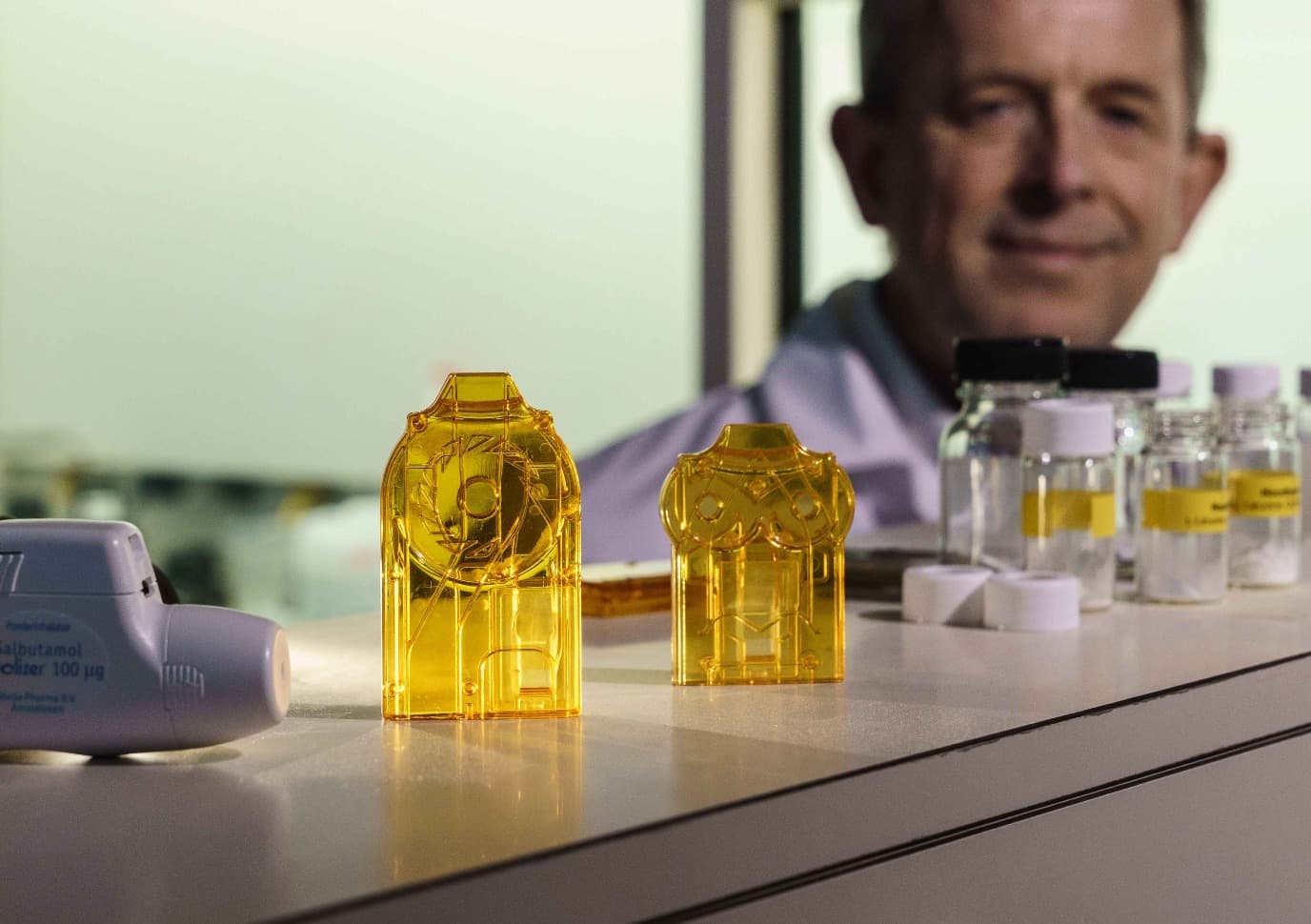
A picture of the inhalators that can be used to administer the MC002 protein - © MimeCure

Mauro swapped Sardinia for Eindhoven and has been an IO+ editor for 3 years. As a GREEN+ expert, he covers the energy transition with data-driven stories.
Breathing is effortless — until it isn’t. In patients with severe lung diseases, the body loses day by day the ability to self-repair tissues. A Dutch startup believes it has identified what may be missing.
MimeCure is developing an inhalable powder designed to restore the lungs' ability to self-repair, using a protein naturally present in the human body. The protein supports tissues on a natural restoration path. The therapy aims to reactivate lung repair, guiding tissue towards regeneration.
The University of Groningen (RUG) spinoff targets two severe pulmonary diseases: Idiopathic Pulmonary Fibrosis (IPF) and Chronic Obstructive Pulmonary Disease (COPD). In both conditions, the lungs suffer severe tissue damage, making breathing increasingly difficult.
Patients with IPF and COPD have less of a crucial protein, called MC002, the scientists found. This discovery supports their hypothesis that diseased lungs lack the information to begin repair. “If we can supplement patients with this protein, we may be able to start up the body repair mechanism again,” says Luke van der Koog, CEO of MimeCure.
What are IPF and COPD?
How does lung repair work?
In healthy lungs, tissue repair is a tightly regulated process. Following an injury — whether from infection, pollution, or physical damage — repair mechanisms are triggered. Fibroblasts, specialized cells that reside in the tissue, play a key role in starting repair.
When activated, these cells release signaling molecules, such as proteins, that instruct stem cells to differentiate and proliferate, initiating repair of the affected tissue. In individuals with chronic respiratory diseases — including patients with IPF and COPD conditions — this process becomes disrupted, preventing effective repair.
The discovery
During his PhD research, Van Der Koog investigated the proteins that fibroblasts secrete to identify factors involved in tissue repair. Out of 12 potential candidates – selected from a pool of over 2,000 proteins — one stood out: the MC002 protein. The molecule showed a consistent ability to promote tissue repair while also exhibiting anti-fibrotic effects — meaning it limits excessive scar tissue formation.
“We observed that MC002 had a huge impact on tissue repair. After validating its effect in different experimental models, we were encouraged by the consistent regenerative response observed across systems,” he recalls.
To enable an effective therapy delivery, MimeCure has developed an inhalable dry powder that ensures MC002 lands right where it is needed most — in the lungs. Moreover, researchers expect the protein to cause fewer side effects in other parts of the body than when taken orally.
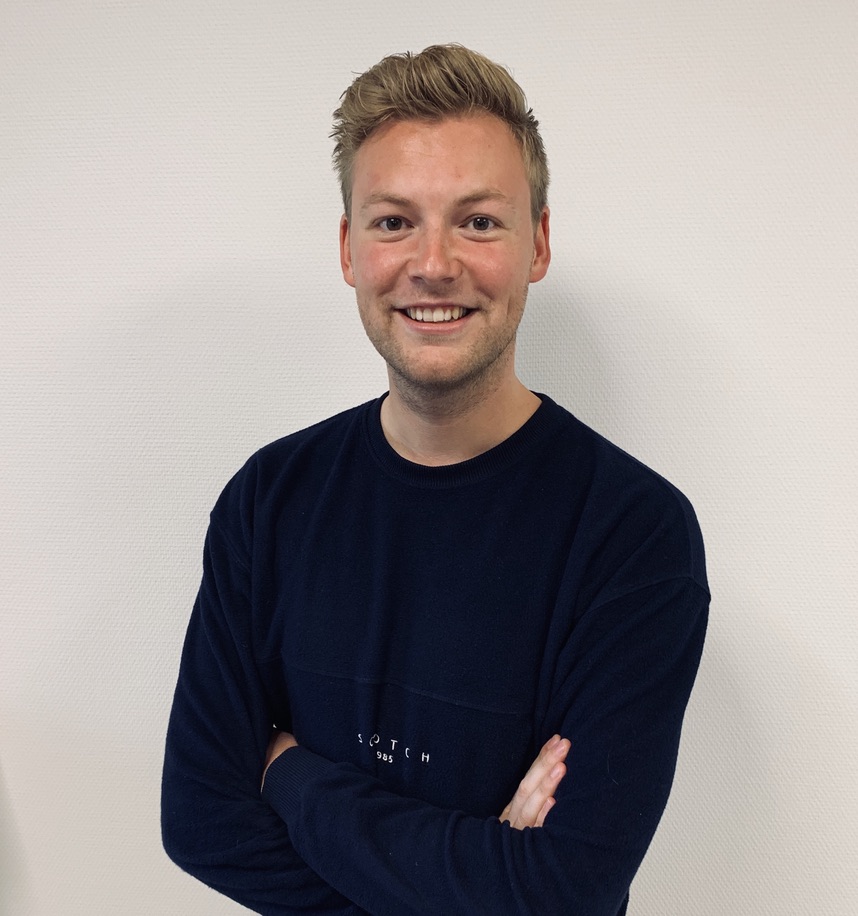
Luke van der Koog
CEO and co-founder at MimeCure
After pursuing a PhD, he founded MimeCure, aiming to commercialize MC002.
Development
Currently, therapy development is still in the preclinical phase. The proof of concept is there; lab validation across different models has been achieved. The next phase will focus on safety and toxicology studies to support the human trials.
It won’t be until late 2027 that the first human tests will take place. Given that MC002 is a human-derived protein, the team is confident that the molecule will be safe to use upon thorough validation from all the necessary clinical studies.
MimeCure's strategy is to focus fully on MC002 development, therefore partnering with a larger pharmaceutical company to conduct larger trials and initiate commercialization. “Startups are the ones positioned to explore new scientific frontiers, but it’s large companies that have the firepower to run larger clinical trials and new therapies to market,” Van Der Koog underlines.
In the pharmaceutical industry, this model works. Over 75% of biotech startups with promising drug candidates have been acquired by big pharma within the first five years of their establishment. At the same time, over 60% of new drugs originate in small biotech firms.
In this process, MimeCure can count on the expertise of its other co-founder and director, Erik Frijlink, also Van Der Koog’s previous PhD supervisor. The former professor of pharmaceutical technology and biopharmacy at RUG has co-invented more than 20 patents, many of which have resulted in commercial products.
Hurdles and challenges
Securing long-term investments proved particularly challenging in drug development, according to Van Der Koog. Finding investors that align with this view is crucial for new therapy development.
Whereas he recognizes that starting a venture has become easier, thanks to the availability of different funding sources, the founder underscores an existing gap in the intermediate phase of growing a company, between the very early moments and having an established technology.
At the same time, as with any other scientist transitioning to entrepreneurship, founding a startup came with a “steep learning curve”, with the former academic learning how to navigate this new world. Still, some of his skills acquired as a researcher are valuable.
“Being organized and making long-term plans, for instance, which helps me a lot. At the same time, staying curious is an important driver,” he adds.
Much remains to be done before MC002 reaches patients. “We don’t know yet what the final impact will be. However, the possibility of making a difference in people’s lives is what motivates us every day,” the founder concludes. If successful, MimeCure wouldn't just offer a new therapeutic approach — it would once again prove the body holds more answers than medicine has yet discovered.