
Coalition plan: equal funding for female entrepreneurs. Feasible?
The government has set a target that female entrepreneurs will raise relatively the same amount of funding by 2030.
Published on February 10, 2026

Our DATA+ expert and Editor-in-Chief, Elcke Vels, explores AI, cyber security, and Dutch innovation. Her "What if..." column imagines bold scenarios beyond the norm.
It is stated in black and white in the coalition agreement. The cabinet has set itself the goal that by 2030, female entrepreneurs will raise relatively as much funding as their male counterparts. However, anyone who compares this with the figures from the Dutch tech sector will immediately see the gap between political aspirations and stubborn reality. In an economy facing a labor shortage, female entrepreneurs absolutely cannot be allowed to fall behind. “It's not a women's issue, it's an economic issue,” says MedTech architect and angel investor Carmen van Vilsteren, who has also been named Female Tech Hero 2025.
Van Vilsteren calls the 2030 target “insanely ambitious.” And that's putting it mildly. The current state of affairs in the Dutch investment landscape gives little cause for celebration. Tomorrow, the State of Dutch Tech report will be published, the annual thermometer of our country's innovation economy. The recent figures, which Van Vilsteren has already had the opportunity to review, paint a worrying picture of the Netherlands. Although the number of female founders is increasing, the amount of funding they raise is actually decreasing.
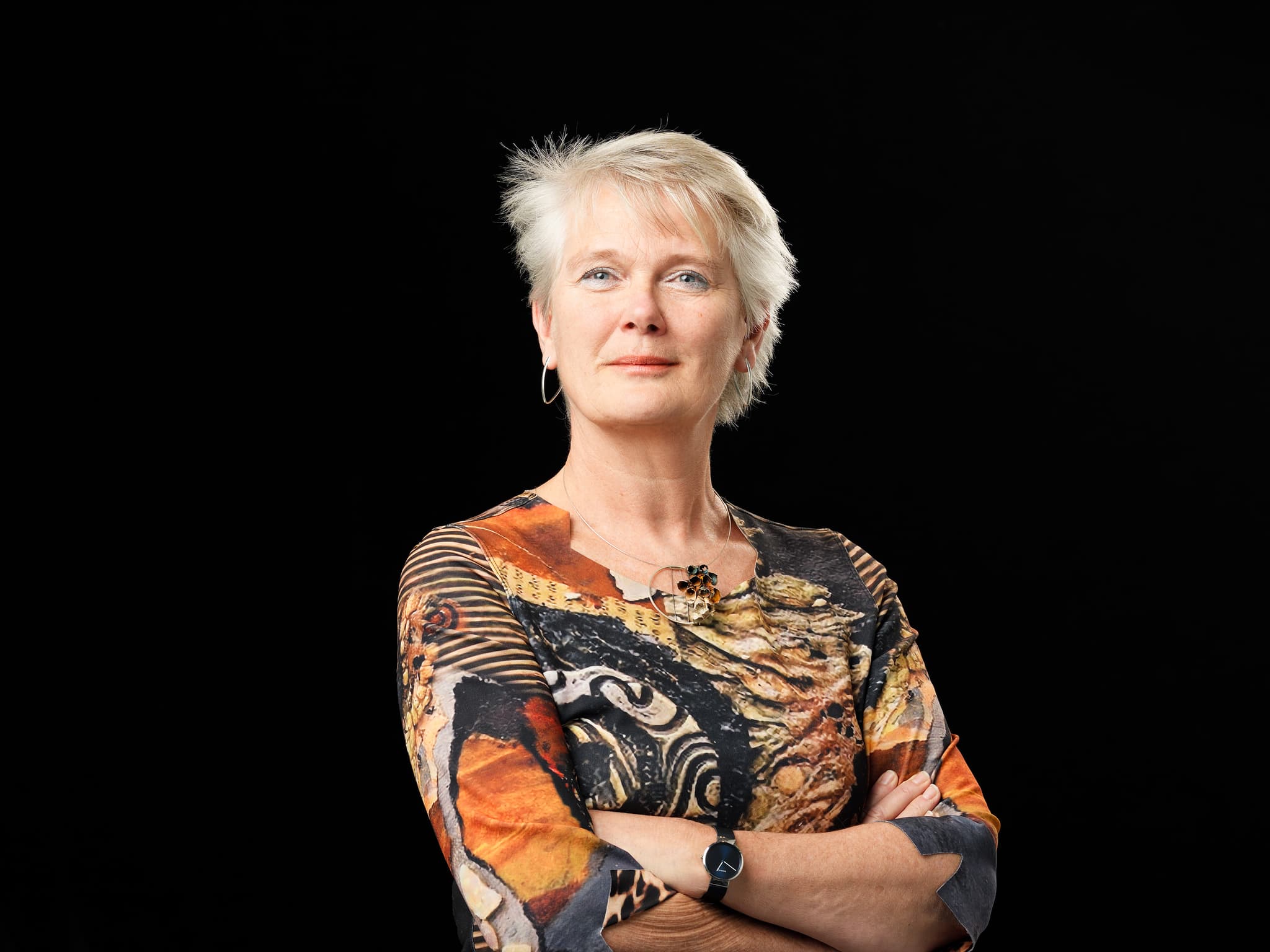
Carmen van Vilsteren
‘It’s not a women’s issue’
“It's not a women's issue, it's an economic issue,” says Van Vilsteren. “Our economy will falter if we don't utilize our labor potential.” This insight now seems to have sunk in in The Hague as well. At a time when the Netherlands is in danger of falling behind in digital autonomy and investments in crucial technologies such as AI are lagging, ignoring half of the potential entrepreneurs is disastrous.
The European Union has long been insisting on strategic autonomy and less dependence on foreign powers. A more diverse entrepreneurial landscape is essential to keep that innovative power in-house.
A multi-pronged approach is required
Why is it that female entrepreneurs still earn so little? There is no clear answer to this question. It is a complex puzzle, according to Van Vilsteren. “It starts in education, where girls are still less encouraged to pursue science subjects.”
Furthermore, venture capital is still too often distributed by a homogeneous group of men who invest in what they recognize. Van Vilsteren knows all too well how this works in the medtech sector. For example, there are relatively many women active in “femtech”: technology that focuses on women's health and well-being. However, female entrepreneurs in this sector hardly get a foothold with Dutch investors. “There is a widespread perception that femtech is not an interesting market, while all the data proves the opposite,” says Van Vilsteren. The system filters out innovation based on prejudice, not potential.
'Action must be taken now'
A sentence in a coalition agreement is a good start, but more is needed: action. During the State of Dutch Tech event, Van Vilsteren, together with parties such as Code V, the Regional Development Agencies (ROMs), and Brainport, will raise the issue. This will bring the 2030 goal one step closer.
There are some quick fixes to start with in the coming period, according to Van Vilsteren. “Think of strict requirements for public investment funds or quotas for venture capital involving government money. If you really want to achieve that figure in 2030, you can't wait for the culture and the system to change on their own,” she concludes.