
Cheap, existing pills offer promising treatment for rare disease
A combination of two affordable, available drugs has shown promising results against Sjögren's disease in a Dutch clinical trial.
Published on June 4, 2026
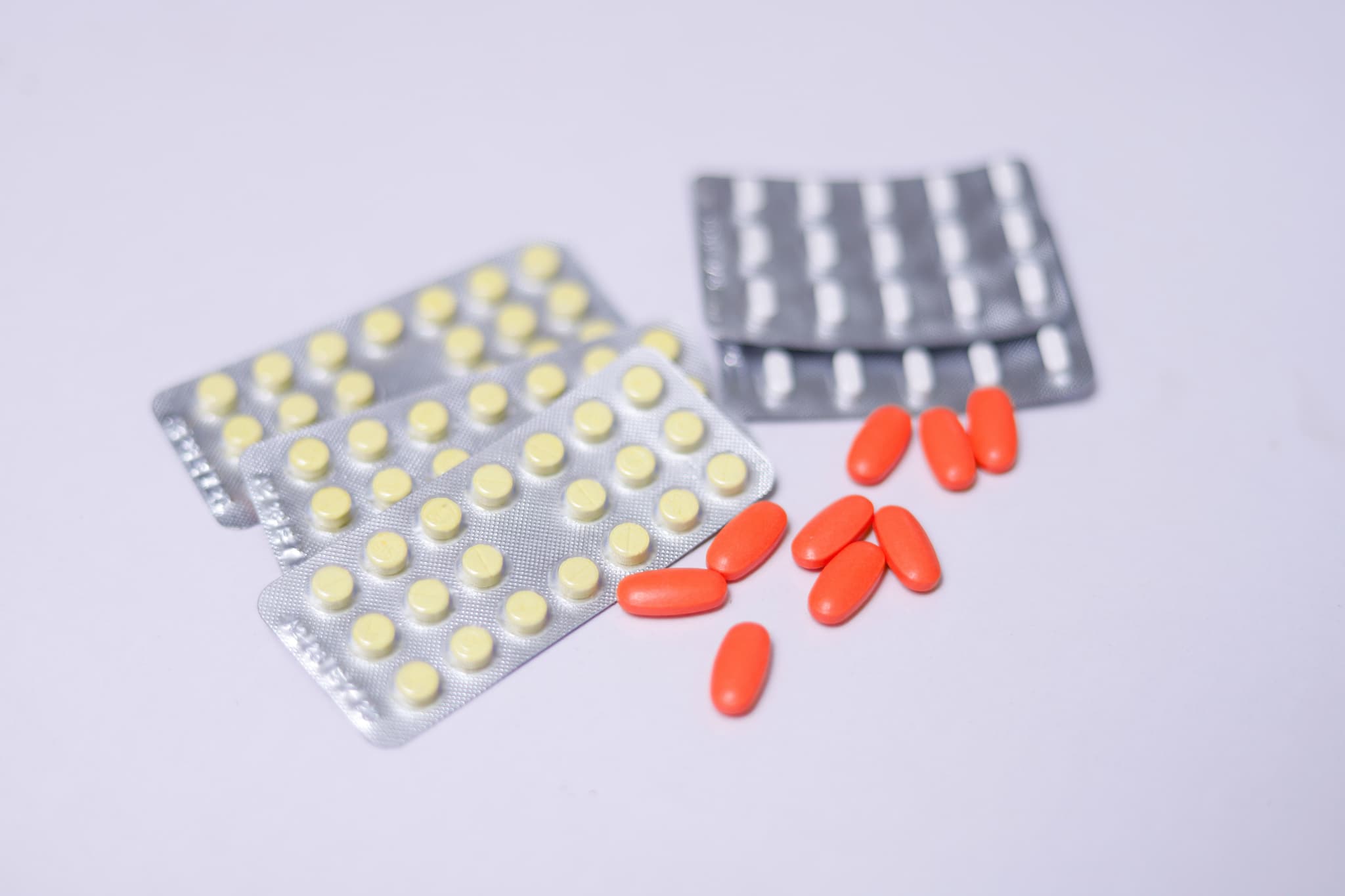
© Unsplash

Team IO+ selects and features the most important news stories on innovation and technology, carefully curated by our editors.
For the first time, researchers have identified an effective treatment for the systemic inflammation caused by Sjögren's disease — and the solution may already be sitting in medicine cabinets around the world.
Sjögren's disease is a chronic autoimmune condition in which the immune system attacks the body's own tissues, primarily damaging the salivary and tear glands and causing dry eyes, dry mouth, and tooth decay. In more severe cases, inflammation can spread to the joints, lungs, skin, and kidneys — known as systemic disease — for which no effective treatment has existed until now. It is a rare condition that mostly occurs in women and that, by 2027, is expected to affect 2.7 million people worldwide.
A new study led by UMC Utrecht, published in Lancet Rheumatology, found that a combination of two existing rheumatism drugs — leflunomide and hydroxychloroquine — significantly reduced systemic disease activity in patients with moderate to severe Sjögren's disease.
A positive trial
The RepurpSS-II trial enrolled 46 patients across twelve Dutch hospitals between October 2021 and July 2025. In a double-blind design, participants received either a daily combination of the two drugs or a placebo, with neither patients nor researchers knowing which treatment they received during the first 24 weeks.
The results were clear-cut. After 24 weeks, patients receiving the combination therapy showed markedly lower disease activity than those on placebo, with reductions in joint, lung, and salivary gland inflammation, as well as improved blood inflammatory markers. Using the international ESSDAI scoring system, the treated group improved by an average of more than 4 points compared with the placebo group — a clinically meaningful difference. The treatment was generally well tolerated, with gastrointestinal complaints as the most common side effect.
Knowing more about the rare disease
Lead researcher and immunologist Dr Joel van Roon called the findings significant, noting it is the first time an existing rheumatology treatment has been successfully tested in Sjögren's without additional immunosuppressive drugs. "This study not only offers the prospect of a practical treatment, but also helps us better understand the disease," he said.
A key advantage is that both drugs have been available for years, are relatively inexpensive, and can be taken as tablets — potentially making the therapy accessible worldwide, including in countries with limited healthcare infrastructure. The researchers stress that further studies are needed to assess long-term safety and to identify which patients benefit most.