
Asylum seekers in Eindhoven trained for jobs in the chip industry
The Brainport region will need around 26,000 additional employees in the semiconductor and microchip industry in the coming years.
Published on March 7, 2026
© Gemeente Eindhoven

Team IO+ selects and features the most important news stories on innovation and technology, carefully curated by our editors.
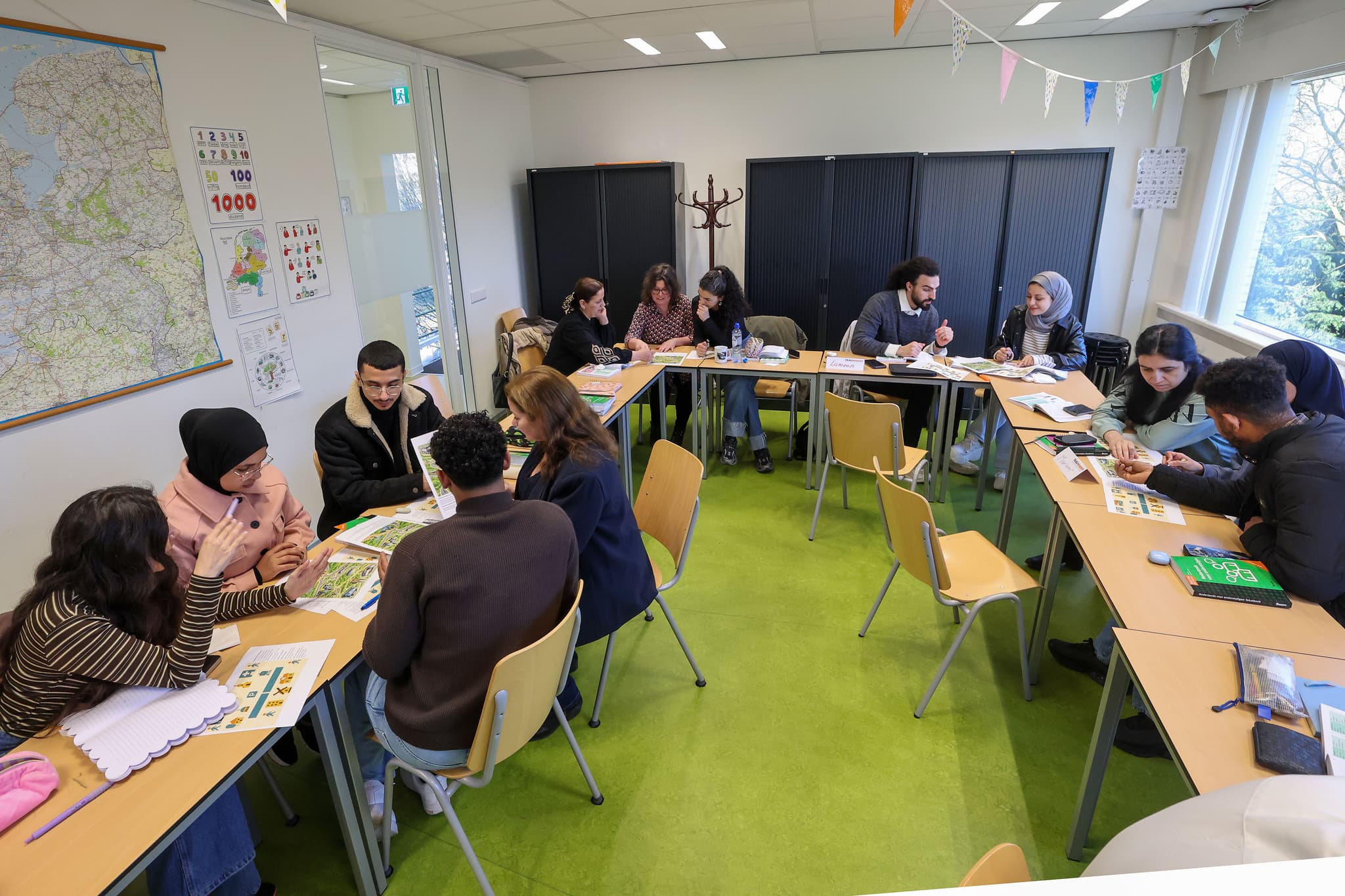
More than 230 asylum seekers in Eindhoven have started a training program aimed at employment in the microchip industry. Participants begin with a language skills module, learning sector-specific terminology, and then move on to technical modules. The goal: sustainable entry into jobs in the rapidly growing semiconductor industry.
The Brainport region is expected to require roughly 26,000 additional workers in the semiconductor and microchip sector in the coming years. Through this training program, education institutions, companies, and the government are joining forces to help address the shortage. The underlying principle is that every source of talent is needed, from asylum seekers to people currently receiving unemployment benefits.

From language lessons to the tech industry: 236 asylum seekers trained for the chip sector in Eindhoven | Studio 040
A total of 236 asylum seekers in Eindhoven have recently started a training programme designed to prepare them for jobs in the semiconductor industry. The participants begin with language classes and sector-specific technical vocabulary, followed later by technical training.
Saskia Lammers, alderwoman and chair of the Southeast Brabant labor market region, emphasized the importance of the initiative during her visit on March 5 to a class at Summa College on Blécourtstraat: “Every talent counts; we need everyone. We also want newcomers to be able to participate in our region from day one. Language and work are essential for that. The urgent staff shortages also require something from employers: organizing jobs differently, redistributing tasks, and strengthening supervision. This creates space for talent that often remains unused today. By giving people access to training and proper guidance in this shortage sector, we truly help them move toward growth and ultimately toward a good job in our region.”
Starting with language and professional terminology
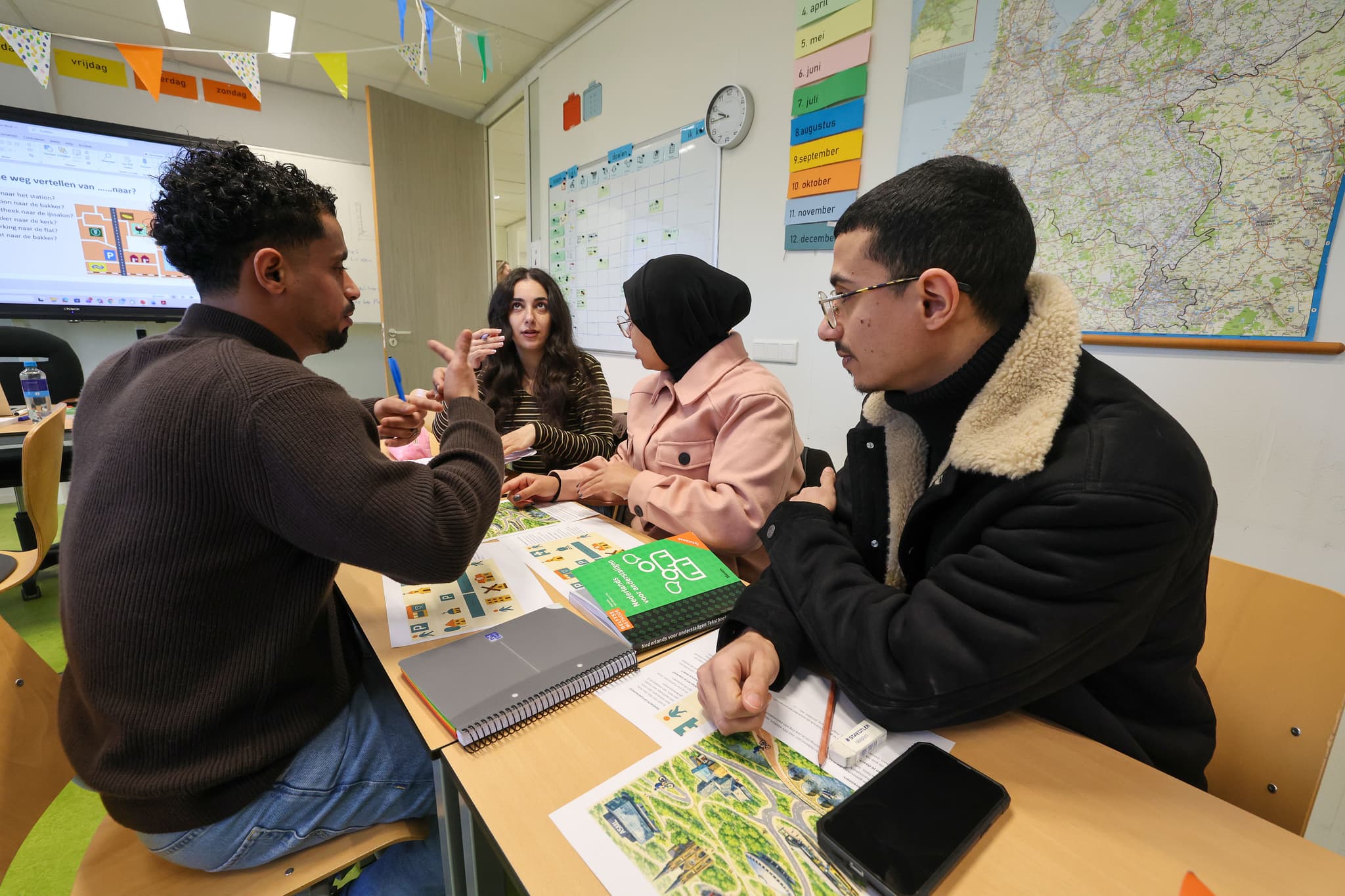
The first group of participants has begun with a module focused on language and sector-specific terminology for the microchip industry. This is followed by lessons on safety, sector orientation, and additional modules covering basic technical skills.
Jeroen Wissink, program manager at Summa, explains: “We start with language where necessary, but always as part of one continuous pathway toward technical work. By carefully aligning the modules, we increase the chances that participants will successfully transition into a job in the semiconductor industry. We’re seeing strong attendance in the classes and highly motivated participants.”
Alongside this group, other career switchers will also join the program in the coming period. They will start directly with the basic technical module. This includes people currently receiving benefits or those who want or need to change careers.
Practical implementation
The program currently consists of 18 class groups across six locations. Participants work four days a week, three hours per day on language training, with the technical component gradually expanding later in the program.
In the coming months, another 80 participants will start. The aim is to add 80 new candidates every quarter, with plans to expand the initiative to other municipalities and labor market regions.
The training program is currently implemented by the municipality of Eindhoven, the Central Agency for the Reception of Asylum Seekers (COA), Wasbeer & Pauw, and Summa College. Some of these partners also collaborate within Brainport Academy, part of the Beethoven Talent program, which focuses on reskilling and upskilling for the sector as part of a lifelong learning approach. Within this framework, education partners and regional labor market organizations work together to strengthen the talent pipeline for the high-tech industry.
© Gemeente Eindhoven