
ASML and Tata Electronics forge semiconductor deal
Tata Electronics and ASML partner to build India’s first major semiconductor fab, shifting global supply chains.
Published on May 16, 2026
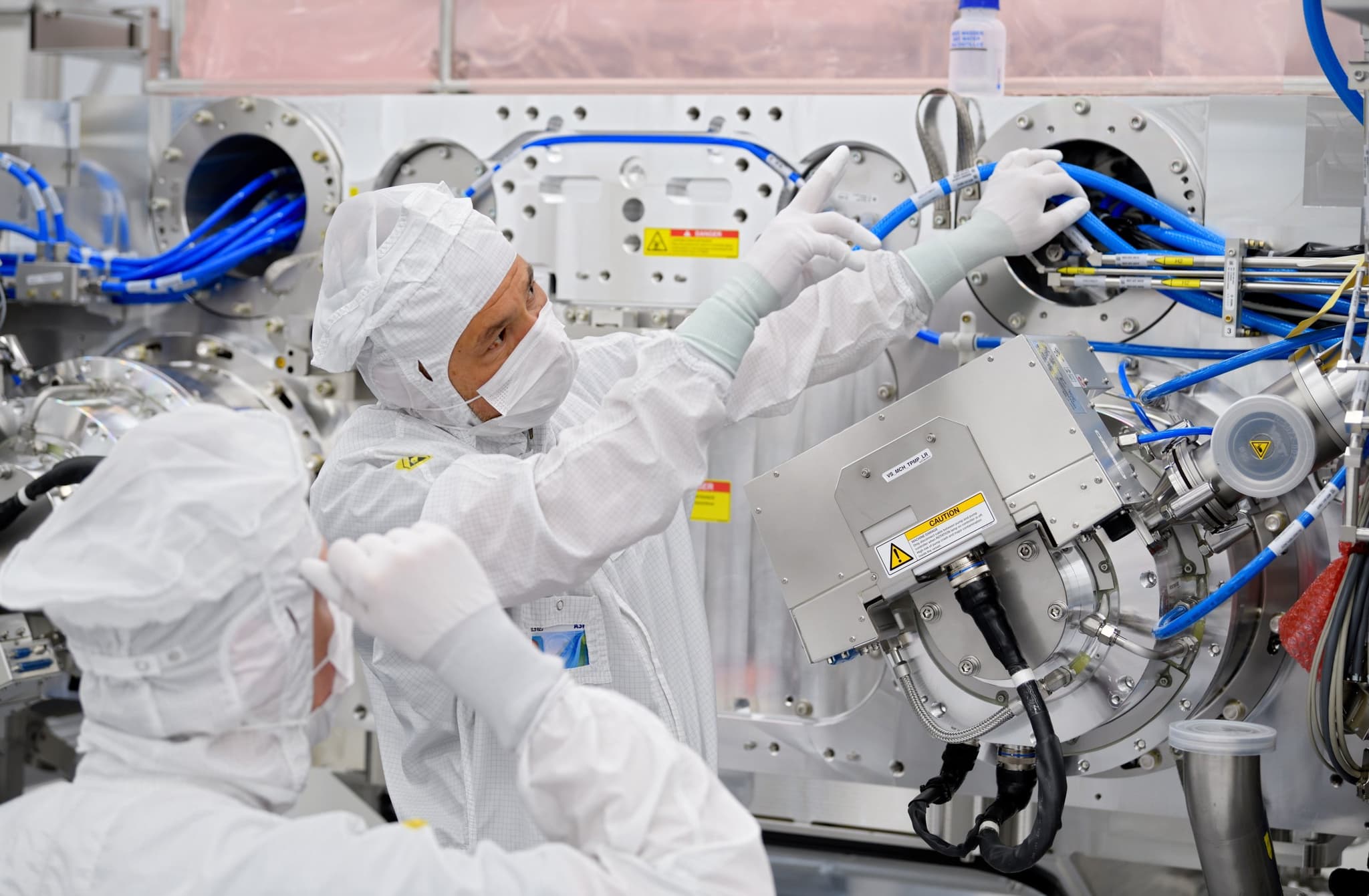
Research and Development, © ASML

Team IO+ selects and features the most important news stories on innovation and technology, carefully curated by our editors.
India is aggressively moving to secure its place in the global semiconductor hierarchy. Through a strategic partnership between Tata Electronics and ASML, the country is transitioning from a technology consumer to a high-tech manufacturer. Through this partnership, ASML will enable the establishment and successful ramp of Tata Electronics’ upcoming 300 mm (12-inch) semiconductor fab in Dholera, Gujarat. This collaboration is a significant step in the intensifying strategic collaboration between India and the Netherlands in critical technologies, such as semiconductor technology.
The collaboration centers on the development of India's first major commercial semiconductor fabrication facility in Dholera, Gujarat. By leveraging ASML's world-leading lithography expertise, Tata Electronics aims to build a resilient domestic ecosystem that addresses the global demand for mature technology nodes. This move is not merely an industrial expansion; it is a calculated step toward strategic autonomy in a volatile global market.
The Dholera Mega-Project
Tata Electronics is spearheading India’s foray into front-end semiconductor fabrication with a massive facility in Dholera, Gujarat. This project represents a total planned investment of US$11 billion, signaling the scale of India's industrial ambitions. The facility will be a 300 mm (12-inch) commercial semiconductor fab, designed to produce chips across various technology nodes. These specific nodes are critical for the automotive, consumer electronics, and power management sectors, which currently face the highest supply chain pressures.
By partnering with Powerchip Semiconductor Manufacturing Corporation (PSMC) in Taiwan, Tata is leveraging global expertise to ensure the facility meets international standards from the outset. The Dholera site is the cornerstone of a new industrial cluster intended to attract a network of suppliers and service providers. This greenfield venture, which began in 2020, has now reached a milestone with the formalization of its relationship with ASML, the world leader in lithography equipment. The move firmly places India on the map of emerging global semiconductor manufacturing hubs.
ASML’s role in India’s technical ambition
ASML’s involvement is a significant endorsement of India’s semiconductor roadmap. Under today's Memorandum of Understanding, ASML will provide its holistic suite of lithography tools and solutions to the Dholera fab. Lithography is the most complex and expensive stage of the chip-making process, using light to print intricate patterns on silicon wafers. By securing a strategic partnership with ASML, Tata Electronics ensures it has access to the precise machinery required to hit its production targets.
The two companies will collaborate on technology deployment and the facility ramp-up. ASML’s President and CEO, Christophe Fouquet, emphasized that this partnership will support the development of a robust semiconductor ecosystem in India. The integration of ASML’s advanced systems into the Tata fab is essential for achieving the yields and efficiency necessary for commercial viability. Without this level of technical support, building a world-class fab from scratch would be an almost insurmountable challenge. The partnership ensures that Tata can bypass many of the early-stage technical hurdles associated with lithography.
Building a sustainable local talent pipeline
A major component of the agreement focuses on long-term sustainability through research and development and talent cultivation. The semiconductor industry requires a highly specialized workforce that currently does not exist at scale in India. To address this, Tata Electronics and ASML will cooperate to build R&D infrastructure and develop local talent programs. This includes the establishment of specialized maintenance and training labs designed to build local expertise in 'holistic lithography.'
These labs will serve as a training ground for Indian engineers, allowing them to master the operation and upkeep of some of the world's most complex machinery. By investing in human capital, the partnership ensures that the Dholera fab can operate with increasing independence over time, reducing the need for constant foreign technical intervention. Furthermore, the collaboration on R&D projects will allow Tata to stay at the forefront of process improvements and node transitions. This focus on holistic lithography, which includes software and metrology tools in addition to the scanners themselves, is vital for optimizing the entire manufacturing flow and ensuring high-quality output.
Geopolitics and strategic supply chain autonomy
The partnership is a direct result of intensifying strategic cooperation between India and the Netherlands. It aligns with the broader Indo-Dutch Strategic Technology Alliance, which focuses on creating secure and resilient semiconductor supply chains. For India as well, this is about strategic autonomy. By developing domestic manufacturing capabilities, India reduces its vulnerability to global supply chain disruptions like those seen in recent years.
The Netherlands, home to ASML, views India as a critical partner in diversifying the global semiconductor footprint. High-level diplomatic engagements, including visits to ASML’s headquarters in Veldhoven, paved the way for this MoU. This alliance helps both nations navigate the complex geopolitical landscape of the technology sector. As global powers seek to 'de-risk' their supply chains, India’s emergence as a manufacturing hub provides a viable alternative to existing clusters in East Asia. The partnership demonstrates how bilateral technology frameworks can translate into massive industrial projects that reshape global trade patterns and enhance the security of critical technology components.
Execution timeline
The Dholera facility is scheduled to begin initial commercial production by late 2026. This is an aggressive timeline for a greenfield semiconductor project, requiring seamless coordination between construction, equipment installation, and testing. Throughout 2026, ASML tools will be installed and calibrated to meet the specific requirements of the 28nm to 110nm nodes. Although specific financial terms and volume commitments remain confidential, the focus is clearly on enabling a successful ramp-up of the fab's capacity.
Dr. Randhir Thakur, CEO of Tata Electronics, has highlighted that this partnership is a foundational step in building a resilient supply chain for the future. The next few months will be critical as the first batch of lithography systems arrives on-site. Success at Dholera will likely trigger further investments and could lead to the expansion of the facility or the construction of additional fabs in the region.