
Amsterdam will flourish in 2026, while other regions will shrink
Rabobank predicts that the Dutch economy will grow by 1.3% in 2026.
Published on December 16, 2025

Team IO+ selects and features the most important news stories on innovation and technology, carefully curated by our editors.
Rabobank predicts that the Dutch economy will grow by 1.3% in 2026, driven by higher consumer spending and government expenditure. Amsterdam and the surrounding area will show the strongest growth, benefiting from the booming information and communications sector and business services. Other regions, such as IJmond, South Limburg, and North Groningen, will face very limited or even negative growth.
Regional differences in growth
The Dutch economy will show significant regional differences in 2026. The Amsterdam region is seen as the economic engine with expected growth of 3.0%, thanks to strong sectors such as information and communication services and specialist business services. Brainport Eindhoven follows with growth of 2.6%, despite the uncertain outlook for the manufacturing industry and the growth of ASML. The region benefits from innovation and technological developments, but its dependence on a single company makes it vulnerable.
.png&w=2048&q=75)
At the other end of the spectrum are regions such as IJmond, South Limburg, East Groningen, and the northern tip of North Holland, where very limited growth or even economic decline is expected. These regions are often more dependent on traditional industries or face specific regional challenges, such as a declining population or a lack of investment in innovation.
The role of sectors
The information and communication sector is expected to experience the strongest growth in 2026, at 3.6%. This is due to the rapid rise of AI and the increasing demand for automation. Specialist business services, including legal services, consultancy, and accountancy, are also growing at an above-average rate of 2.1%. AI offers productivity gains, but also poses a risk because customers can perform certain analyses themselves. Industry, on the other hand, is showing modest growth of 0.6%. Although the EU-US trade agreement is reducing uncertainty and some industries are benefiting from higher defense spending, manufacturers are reporting insufficient order books and profitability. This points to a structural problem within the industry, which may require further investment in innovation and efficiency.
Amsterdam as an economic center
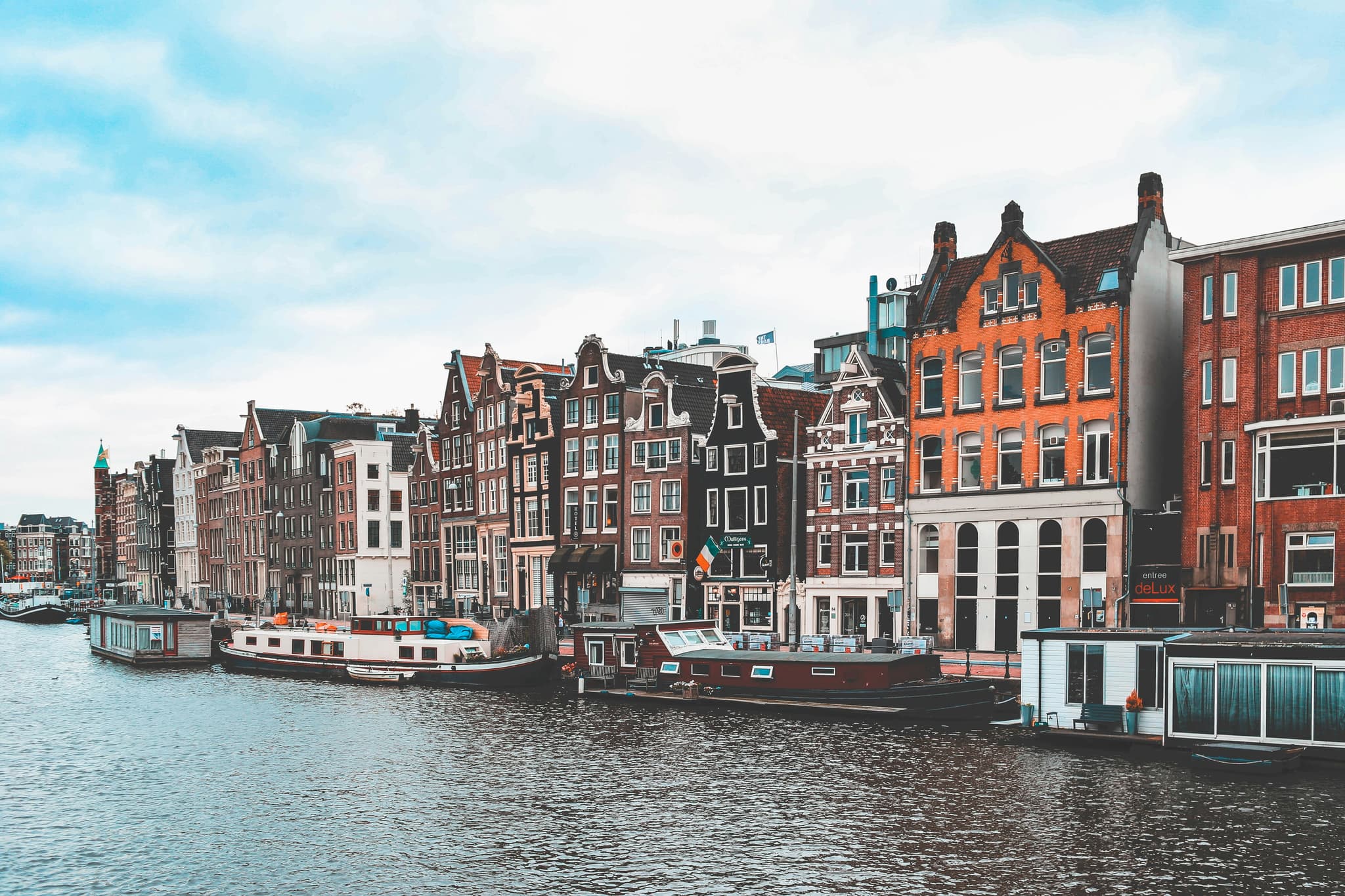
Amsterdam is the absolute star performer and has been the economic center of the Netherlands since the Golden Age. The region benefits from a strong concentration of knowledge, creativity, and entrepreneurship. The presence of international companies, universities, and research centers creates a dynamic environment that is attractive to talent and investment.
The Wennink Committee
The Wennink Committee aims for structural economic growth of 1.5% per year to maintain prosperity in the Netherlands. Amsterdam and Flevoland should grow by an average of around 3.2%, while IJmond shows only 0.2% growth. In order to realize the growth ambition, all regions in the Netherlands must contribute. This requires a targeted approach that takes specific regional circumstances into account.