
A seat at the table or served as dinner? TNO’s call for Europe
"Autonomous technologies can be directed to solving global challenges, from healthcare labor shortage to CO2 transition and climate change."
Published on April 10, 2026

Bart, co-founder of Media52 and Professor of Journalism oversees IO+, events, and Laio. A journalist at heart, he keeps writing as many stories as possible.
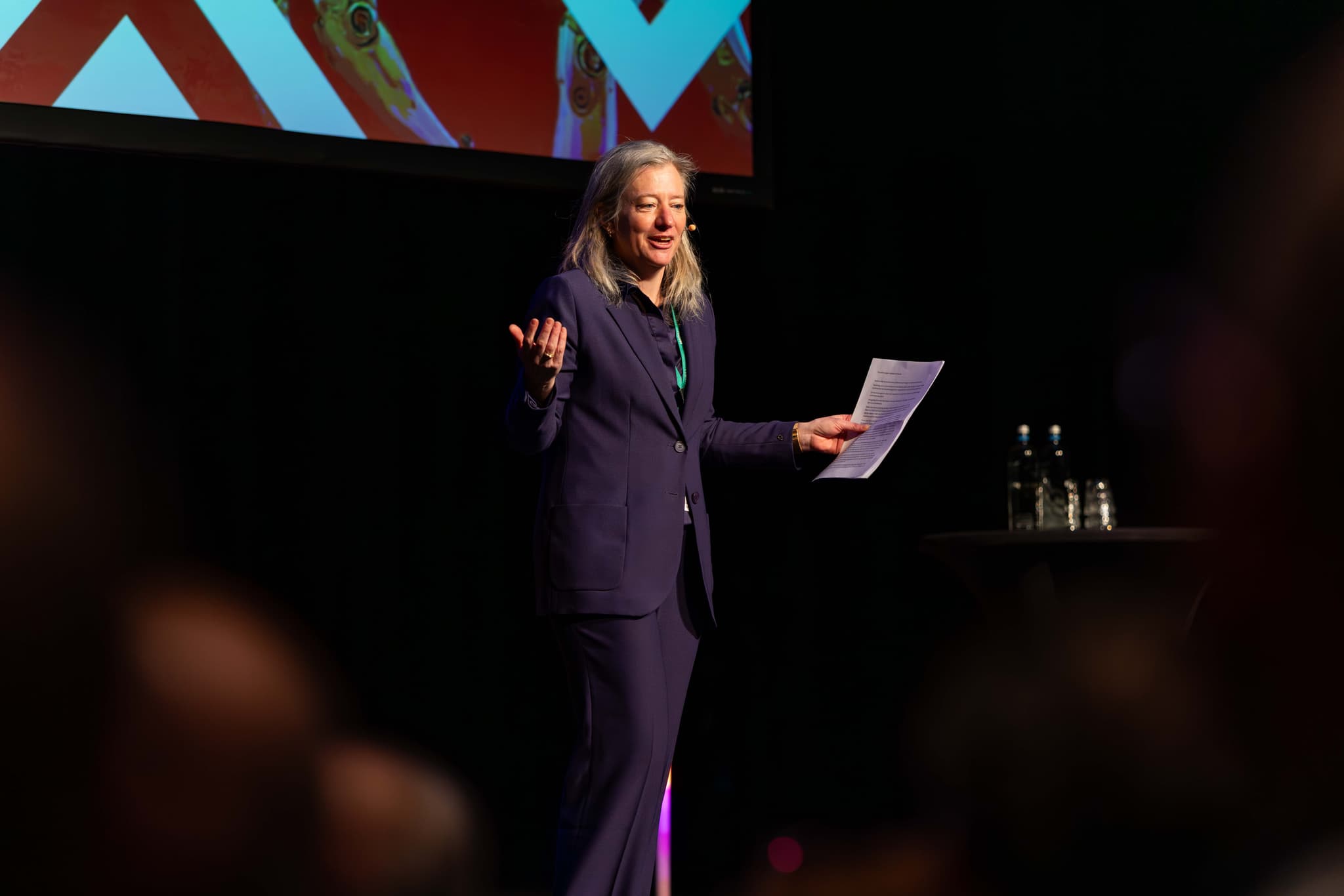
To kick off the Nationaal Congres Autonomous Systems (NCAS’26) in Drachten, Christa Hooijer, Chief Scientist at TNO, delivered a sobering and powerful opening lecture. While the day was dedicated to exploring the technical and societal possibilities of robotics and AI, Hooijer immediately elevated the conversation to the geopolitical stage. For her, the rise of autonomous systems is intrinsically linked to a much larger issue: the geopolitical autonomy and survival of Europe.
The end of the predictable world
Hooijer bluntly reminded the audience that the era of a predictable world is over. For decades, Western Europe lived under the comfortable assumption that globalization, multilateralism, and strong transatlantic bonds would simply continue to progress. However, this paradigm is shifting dramatically. We can no longer blindly count on the international rule of law or multinational collaboration.
In a fragmented world where trade is difficult and technology develops under competing global standards, Europe must be able to rely on its own technology. Hooijer warned that Europe must actively build its own autonomous systems to ensure it maintains "a seat at the table". Without this technological sovereignty, she cautioned, Europe risks being "served as dinner"—destined to become little more than a "nice playground with old buildings" where the wealthy from the rest of the world come to visit.
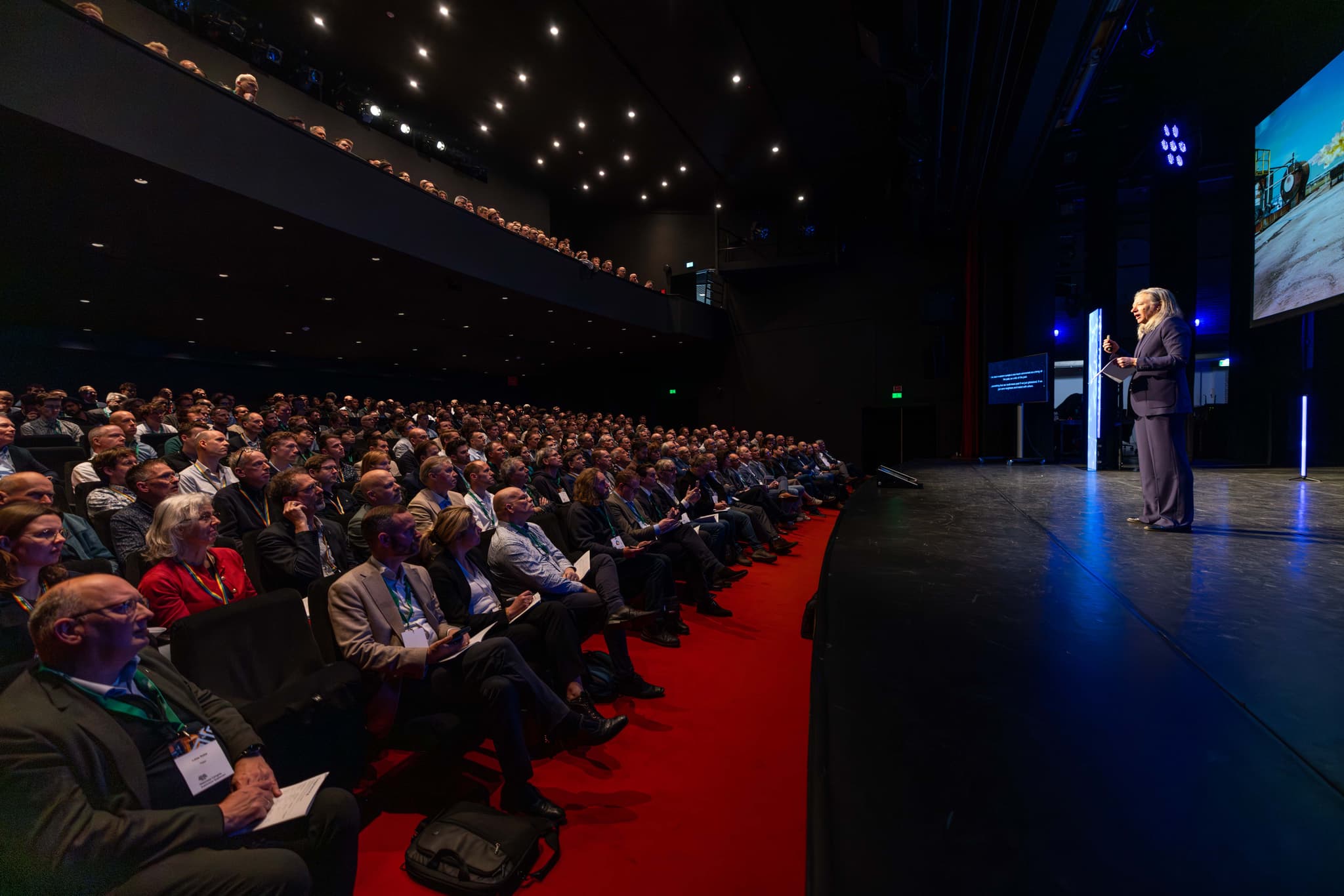
Christa Hooijer, Chief Scientist van TNO - NCAS 2026 © NCAS
Lessons from Ukraine and the "economy of war"
This urgent need for sovereignty has been painfully accelerated by the war in Ukraine. Hooijer noted that the conflict arrived with massive force, shattering the Western European illusion that defense was merely a relic of the past, rendered obsolete by trade and globalization.
Crucially, the conflict has exposed the realities of the "economy of war". Hooijer shared a stark realization from her time in the defense sector: shooting down a relatively cheap Shahed drone with an incredibly expensive F-35 fighter jet is an economic model that simply cannot be sustained. It proves that pure, high-tech superiority is not the only way to achieve victory; a mix of high-tech and low-tech solutions is essential.
Furthermore, Ukraine has proven that innovation cycles must change. When a soldier at the front calls for help, they need a solution that works today. In the context of modern conflict, "tomorrow is too late," transforming the phrase "from lab to life" into a matter of avoiding a much worse fate.
The Dutch ingredient
Despite the heavy geopolitical warnings, Hooijer’s message was fundamentally one of hope. She emphasized that the path forward is not just about producing more, but about being smarter.
The Netherlands is uniquely positioned to drive this change. While the country may not mass-produce small technical components, it builds the highly complex systems and machines that the rest of the world needs to manufacture those components. By leveraging these high-tech capabilities to master autonomous systems, the Netherlands and Europe can secure their geopolitical autonomy. In doing so, these very same autonomous technologies can also be directed toward solving immense global challenges, from healthcare labor shortages to the CO2 transition and climate change.