
€5 million for innovation program in MRI and ultrasound solutions
Philips, UMC Utrecht, Maastricht University and High Tech NL bring AI-driven imaging closer to the patient
Published on February 8, 2026

Team IO+ selects and features the most important news stories on innovation and technology, carefully curated by our editors.
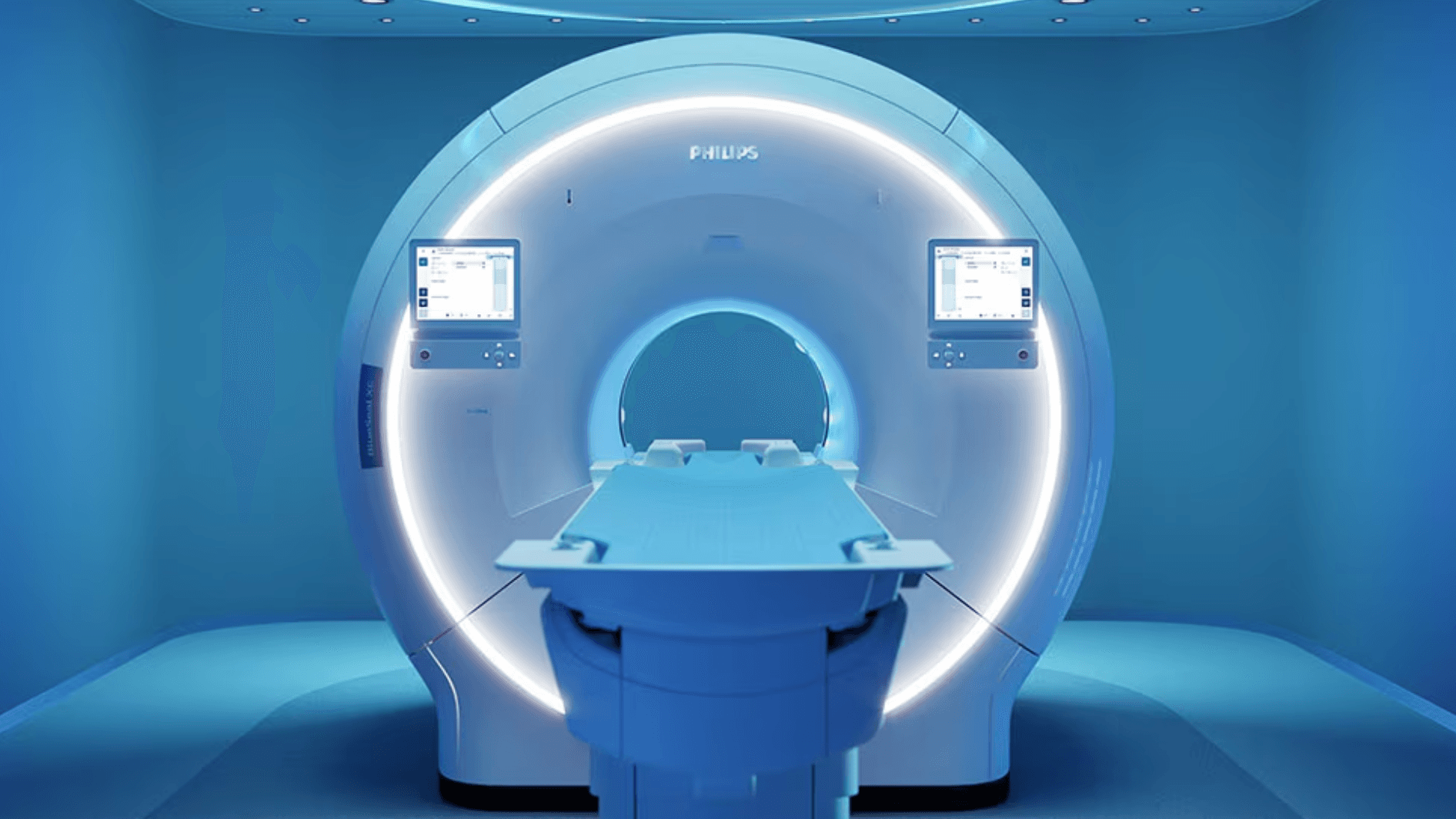
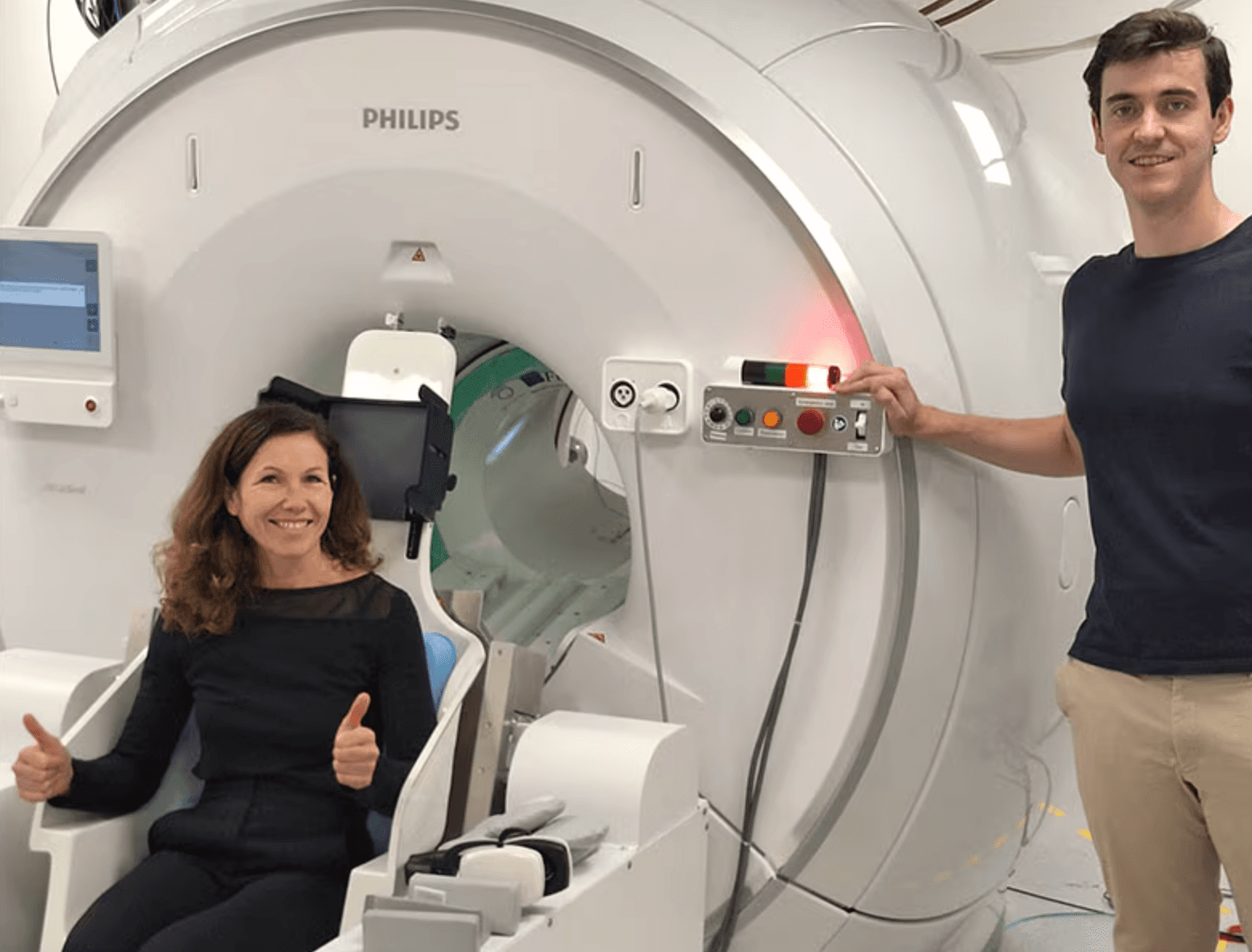
Faster clarity about your health without immediately having to go to the hospital. With a new €5 million grant from Health Holland, UMC Utrecht will make this possible together with Maastricht University, High Tech NL, and Philips. In the REIMAGINE IMAGING on smart MRI and ultrasound solutions. These systems can perform scans themselves, with AI assessing the images. This brings diagnostics closer to the patient. With this initiative, Philips and its partners aim to bring medical technology into clinical practice faster and through close collaboration.
Healthcare is under significant pressure due to an aging population, a growing number of chronic patients, and increasing staff shortages. At the same time, diagnostic examinations are becoming more complex and expensive. MRI and ultrasound exams are currently performed primarily in hospitals and require substantial time from specialized personnel. “REIMAGINE IMAGING aims to break that pattern with autonomous, AI-driven imaging: technology that can largely perform and analyze scans independently, with minimal involvement from healthcare professionals,” says Dennis Klomp, Professor of High Precision Structural and Metabolic Imaging and Manager of Imaging and Oncology Research at UMC Utrecht.
Diagnostics closer to home
“For many conditions, diagnostics do not necessarily have to take place in a hospital,” says Jochen Cals, Professor of General Practice at Maastricht University. “With smart technology, we can safely and reliably bring examinations closer to people. At the GP’s office, in a nursing home, or even in a mobile unit. It’s about delivering the right care in the right place. That’s more comfortable for patients and more efficient for the healthcare system.”
Within REIMAGINE IMAGING, four public-private consortia are working on solutions for common conditions where diagnostics can take place earlier in the care pathway:
- Breast cancer: mobile MRI units, similar to current mobile screening centers for national breast cancer screening, for women with dense breast tissue. MRI is more accurate than mammography and can prevent unnecessary follow-up examinations.
- Prostate cancer: compact MRI scanners as a first step for elevated PSA levels. This can sometimes prevent painful biopsies and provide patients with quicker clarity.
- Vascular dementia: largely autonomous brain MRIs in elderly care (nursing homes), enabling earlier detection of dementia and better-tailored care.
- Abdominal complaints: point-of-care AI-guided ultrasound for GPs to more quickly detect conditions such as fatty liver disease or gallstones or kidney stones, without immediate referral to a hospital.
AI in healthcare
A key goal of REIMAGINE IMAGING is labor savings. Autonomous systems take over routine tasks, allowing healthcare professionals to focus on complex cases and personal interaction. “An MRI scan may seem expensive, but the device itself is only a small part of the cost,” Klomp explains. “Most of the cost lies in organization and staffing. By making scans smarter and more autonomous, we reduce pressure on healthcare and make diagnostics more accessible.” The technology will also become more patient-friendly, with quieter MRIs, greater comfort, and, where possible, active patient involvement in the examination.
Margriet Nijnens, Vice President of Marketing and Product Management at Philips: “REIMAGINE IMAGING offers a major opportunity for healthcare institutions and technology companies to move forward together. By developing smart, autonomous MRI and ultrasound solutions within this research program — with AI supporting both scanning and image assessment — diagnostics can be brought closer to the patient. We strongly believe in this approach and are proud that Philips is part of this program and supports healthcare professionals with technology that helps them deliver better care to more patients.”
© Philips
Public-private collaboration
REIMAGINE IMAGING is a public-private partnership involving UMC Utrecht, Maastricht University, other hospitals, technology companies and industry organizations such as High Tech NL. Companies are co-investing and collaborating from the outset with healthcare professionals, patient associations and insurers. According to Edwin Roovers, Cluster Manager Life Sciences at High Tech NL, this collaboration is essential: “Without public-private partnerships, innovations often remain stuck in the lab. By working together, we can not only develop technology but also clinically validate it, scale it up and actually bring it into healthcare practice.”