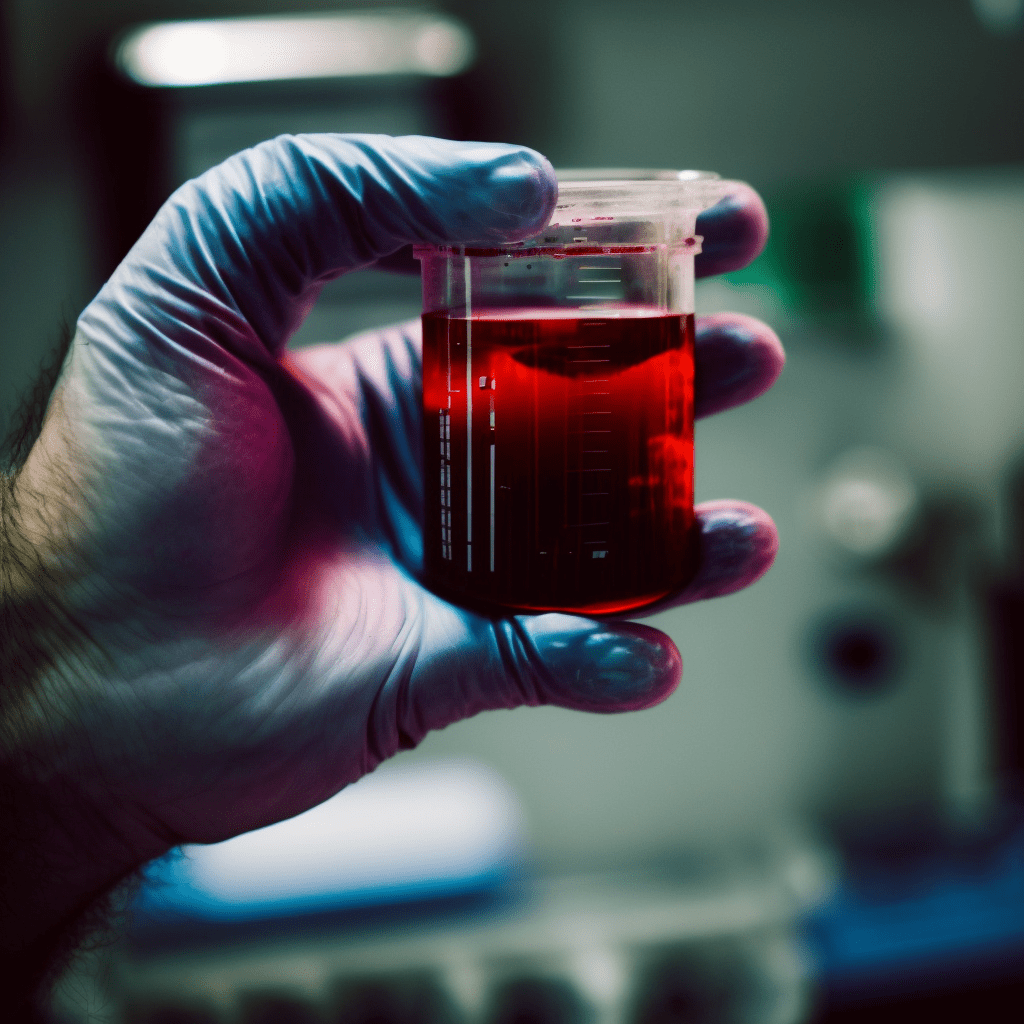
When our blood vessels are damaged by cuts, abrasions, or bruises, it is vital that the bleeding is stopped, and the wound is sealed. This process is called hemostasis and involves two main components: First, blood platelets attach to the wound edges, form a plug and provisionally seal the injury. Secondly, blood coagulation or the coagulation cascade is initiated, leading to the formation of long fibrin fibers, which together with platelets seal the wound tightly.
However, if fibrin is formed in excess, e.g. in chronic wounds, thrombosis and subsequent vascular occlusions can occur. Therefore, the strict regulation of fibrin formation is important. How blood clotting is limited was not fully understood until now.
In an international project coordinated by the University Hospital of Würzburg, researchers have deciphered a central regulatory mechanism of fibrin formation and propose new therapeutic approaches, the institution announced in a press release.
Experimental models and promising results
“For the first time, we were able to uncover a new switching point that regulates both hemostasis and thrombosis. This switch is glycoprotein V, GPV, which is expressed on the surface of blood platelets. GPV controls the activity of the enzyme thrombin, which is responsible for the formation of fibrin,” explains Professor Bernhard Nieswandt from Würzburg University. Thrombin is a crucial enzyme in blood clotting and its activity must therefore be precisely spatio-temporally controlled. Until now, it was known that the surface receptor GPV is cleaved by thrombin during platelet activation. This releases GPV as a soluble form.
In experimental thrombosis models, soluble GPV was shown to prevent, among other things, the formation of thrombi which can occlude blood vessels, and to lead to a significant protection from experimental stroke and associated brain damage. Bernhard Nieswandt is convinced that these new findings will change textbook knowledge about thrombosis, but more research into the matter is needed.
.