The hydrogel developed at the University of Twente, Netherlands, for repairing damaged cartilage tissue, will be tested on humans for the first time in a clinical trial. Patients will be selected for this trial by the University Medical Centre in Utrecht.The gel is being further developed by the spinoff company Hy2Care and will be tested for its abilities to prevent arthrosis, by repairing cartilage that was damaged by, for example, a sports injury as announced in a press release.
Read also this article on Innovation Origins about Hy2Care
Arthrosis, or osteoarthritis, is a growing problem that highly influences the quality of life. It is painful, highly disabling and can make an artificial joint necessary. The cartilage in a joint like the knee or hip gets damaged, or even disappears, making the joint painful and less flexible. This may even lead to the ‘bone on bone’ situation, without any of the elastic cartilage in between.
Knee keyhole surgery
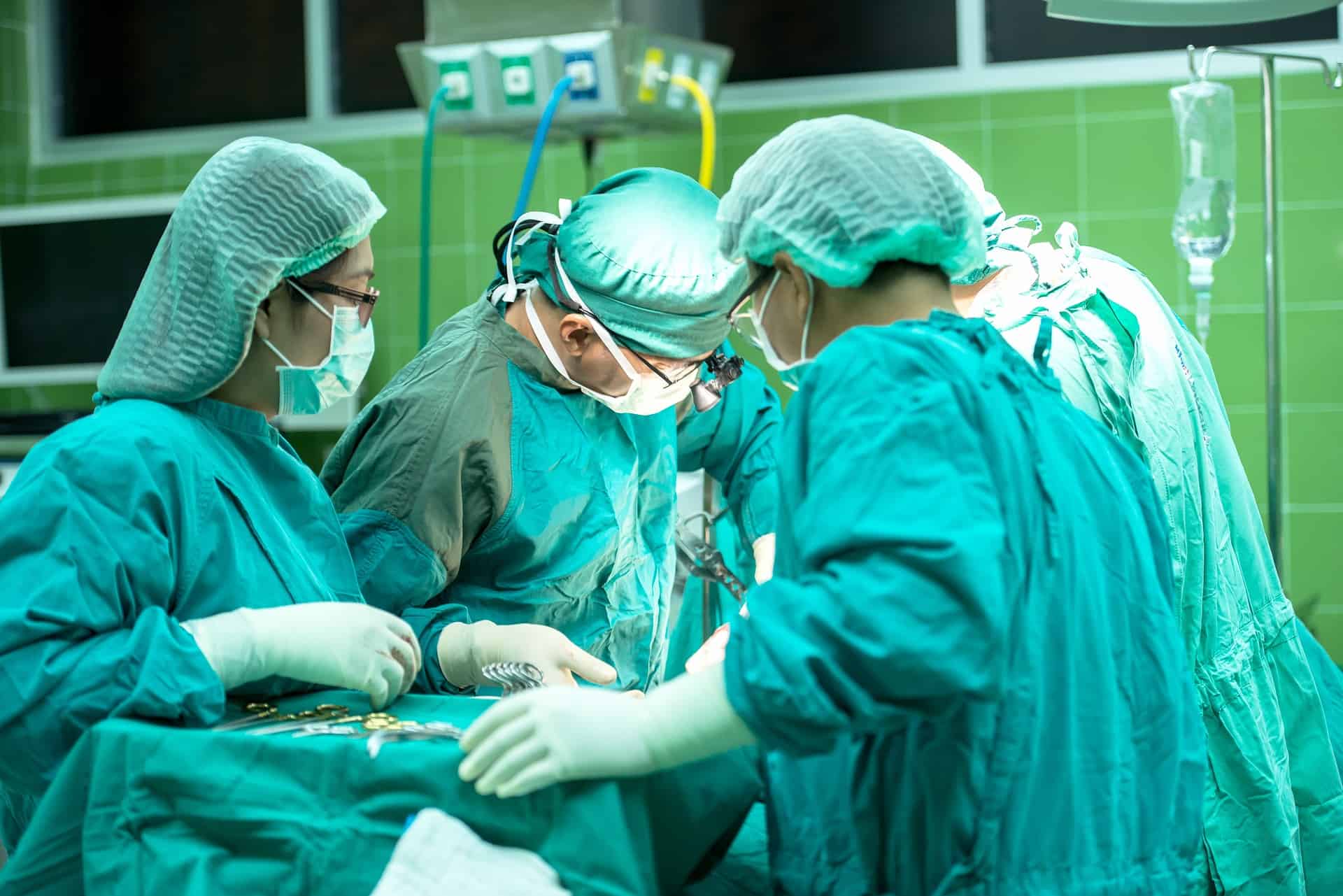
For years now, Professor Marcel Karperien and his team have conducted research on a hydrogel with the support of Dutch Arthritis Society (ReumaNederland) that can replace damaged cartilage via keyhole surgery and local injection of the gel. Subsequently, it attaches to the healthy cartilage around the damage and restores its function. The research has focused on application in knees. After several steps, including research in a laboratory setting and promising results with the knees of horses, it is now time to test it on a group of a few dozens of people. The company Hy2Care, of which Marcel Karperien is one of the founders, together with the orthopedic surgeons of the University Medical Center Utrecht collaborate in this.
For the selection of candidates, the nature and size of the damage is important, among other things. The gel must interact with surrounding healthy cartilage, so in advanced situations in which there is little healthy cartilage left, it will not work.
New type of biohydrogel could solve water shortages during periods of drought