A crisis like the corona pandemic calls for decisive measures. The EU has freed up €723.8 billion in an effort to use the Recovery and Resilience Facility (RRF) to pull the European economy out of the recession caused by corona. In order to qualify for a share of this large bag of money, member states must submit a plan to the European Commission. In the series Decarbonizing Europe, we put those plans under a magnifying glass.
We are not talking about climate change anymore, it’s a climate crisis. Biodiversity and nature conservation are two of the fundamental areas where improvements are necessary all over the world. Despite this need, many EU countries missed to include related measurements in their Resilience and Recovery Plan. Romania is an exception. Illegal logging is a major issue, the country is losing valuable natural forests hectare by hectare. Romania is also investing money in the modernization of railways and the digitalization of health and public administration.
Missed potential in preserving nature
Euronatur’s report calls for urgent action. The global population of wild species has fallen by 60 percent over the last 40 years. One million species are at risk of extinction within decades. Despite the unprecedented amount of EU funds available, investments in nature are not increasing. Moreover, the report states that “biodiversity has been completely ignored, in favor of investments that will, in some cases, even exacerbate the situation.”
Europe’s last natural forests in danger

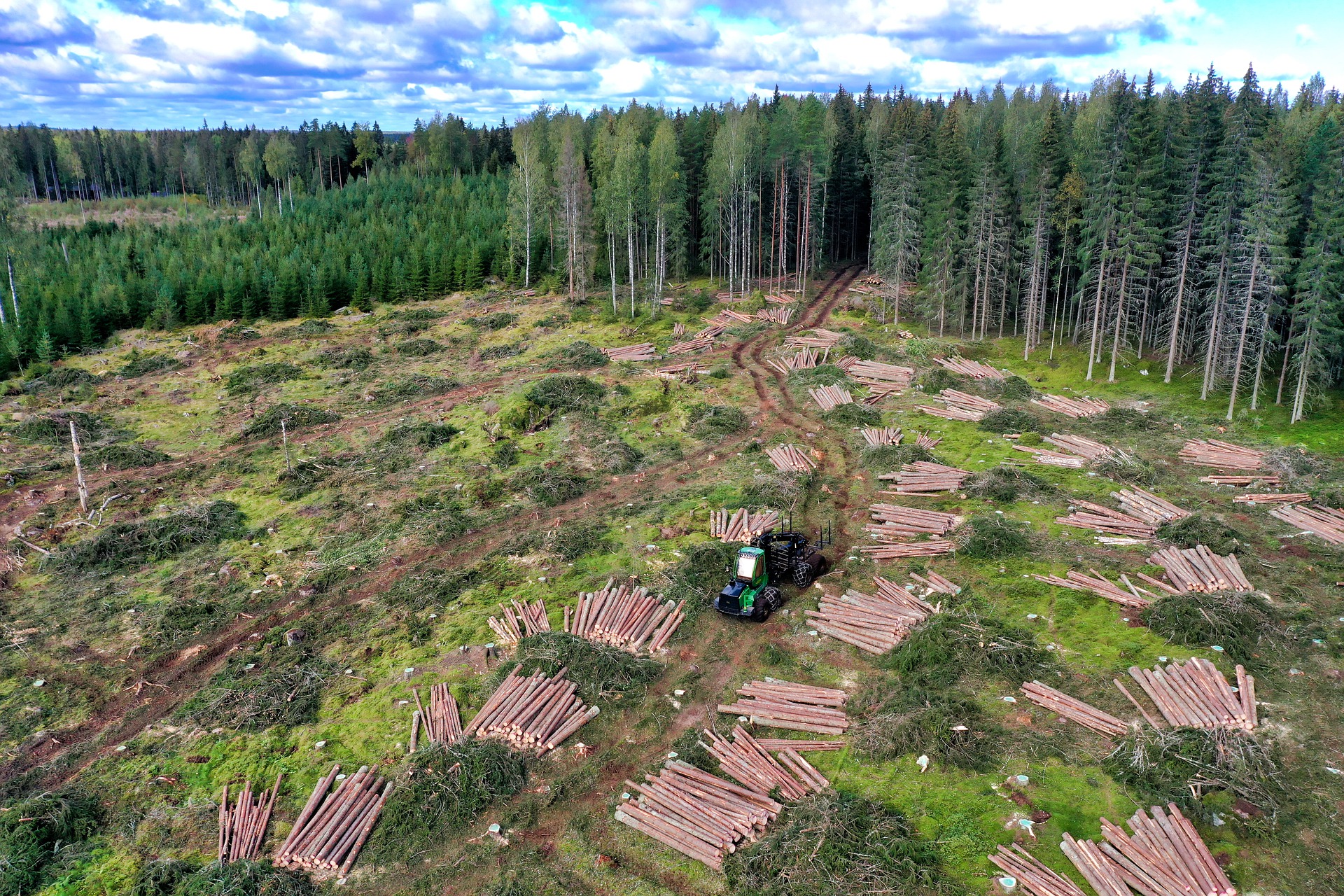
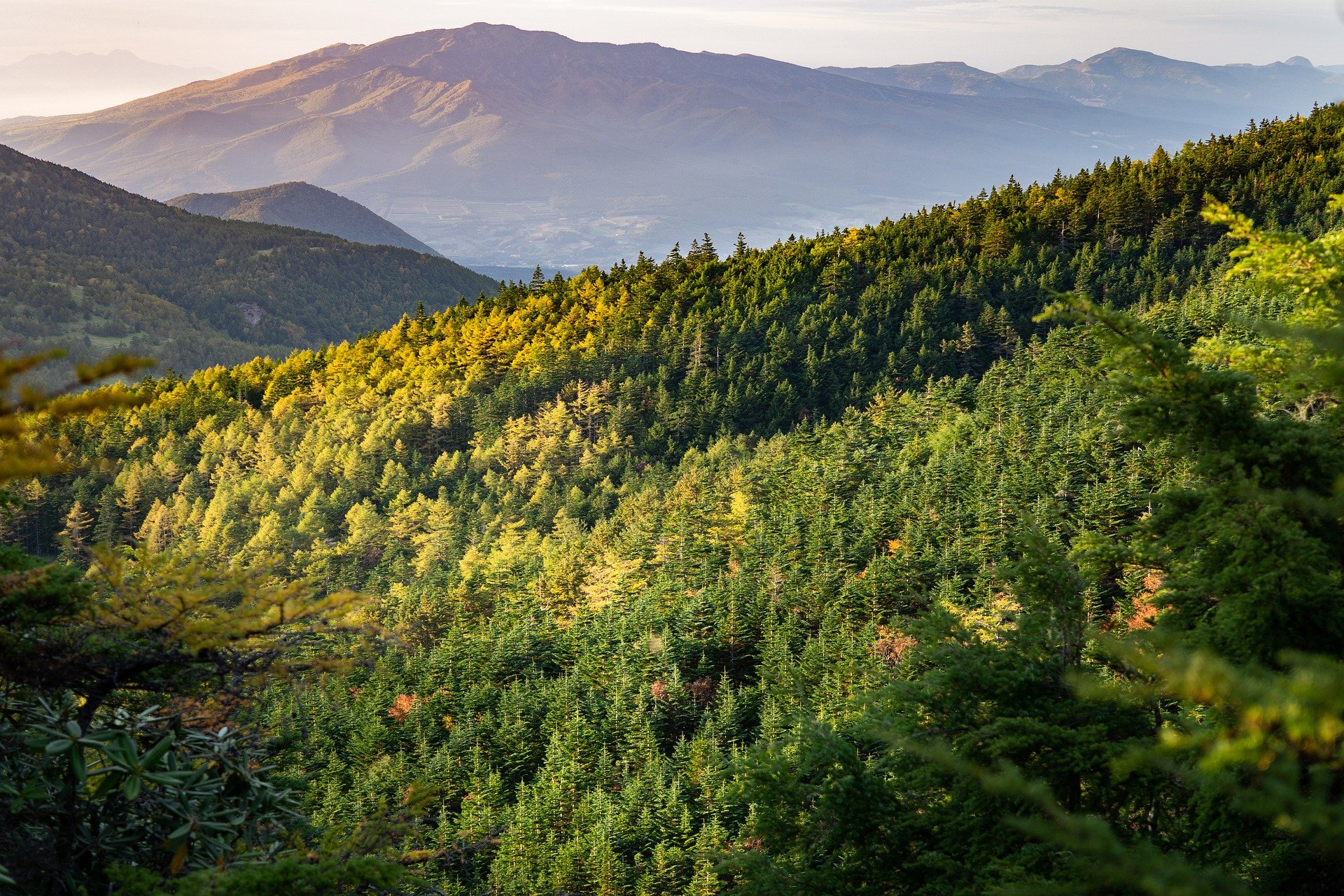
Romania has the largest forest area in the EU (excluding Scandinavia). So, when it comes to environmental protection, the Romanian government can no longer look the other way. In the last 25 years, the 500,000 hectares of protected forests have been subject to continuous illegal logging.
Despite efforts by Romanian civil society groups to stop illegal logging, the situation in Romania has continued to deteriorate. In response, the European Commission pursued legal action against Romanian authorities in 2020. They pointed out Romania’s systemic and continuous failure to protect Europe’s last natural forest. The Commission criticized that the state is still approving logging in protected areas and environmental information is not accessible, which is a breach of EU law.
Romania plants
Romania drafted new rules requiring environmental impact assessments in Natura 2000 areas (sites, that part of the largest coordinated network of protected areas in the world). However, the progress was slow and without demonstrable actions in 2021, and “still had nothing” to show, states the fern.org.
However, there are ongoing projects in the country. They aim to cover the bare areas on the mountains caused by logging and to restore CO2 levels. Plantăm fapte bune în România is a forest planting initiative of ordinary people and volunteers. Besides organizing huge planting events, they aim to educate their volunteers about the species they plant and the value of the Romanian forest ecosystem.
Large-scale railway reform
Romania would spend most of the Resilience Fund on green transport, 3.9 billion euros. They plan to mostly focus on the railway system and the development of the metro network in Bucharest and Cluj. The prime minister promised charging points for electric vehicles would be “installed all over the country.”
According to the European Transport Scoreboard 2019, the Romanian transport sector scores below the European average in all aspects of investment and infrastructure. The general condition and reliability of the road and rail networks are very poor. The road network is among the least developed in the EU and registers one of the poorest road safety records. No wonder the reform of the railway sector is so urgently needed.
The promise of a safe and modern health care system
The Central and Eastern European (CEE) countries show a considerable ‘healthcare performance gap’ in comparison to EU averages. This means that often they cannot keep up with sustainable solutions and innovations. Romania has a fragile and vulnerable system, with a high risk of healthcare-associated infections in hospital settings. The country allocates 2 billion euros to modernize its clinics and hospital buildings.
The plan includes building or re-equipping 200 integrated medical centers in vulnerable rural and urban areas. They also prioritize investments in screening, early diagnosis and monitoring equipment for 3000 outpatient surgeries, mainly in rural and smaller urban areas. The ultimate goal is building and running modern, cost-effective, and digital healthcare services.
Digitalization for more resilience
Romania is at the bottom of the DESI (Digital Economy and Society Index). Digitalization is needed across the country, since “almost one-fifth of Romanians have never used the internet, and less than a third have at least basic digital skills,” states the DESI report on Romania. Thanks to the pandemic, the demand for internet connectivity prompted government institutions to launch long-awaited digitalized solutions. Ancom reports reveal that the number of the so-called white spots (localities without internet access) fell by almost 40% and network traffic intensity also surged by as much as 50 percent.

Romania plans to invest €1.5 billion in digitalization in public administration, health, and education. Digitalization does not just increase GDP and cut fuel consumption. Innovations in eHealth can improve personal wellbeing and reduce mortality rates. Rolling out suggested solutions for Telemedicine across the EU, like data-driven decision making, digital consultations, etc. would improve early diagnosis and reduce healthcare costs.