About Decarbonizing Europe
What does the Recovery and Resilience Facility entail?
The European Commission has made available an amount of 723.8 billion euros
to combat the consequences of the corona crisis and make Europe greener, cleaner, and future-proof. All member states have the opportunity to submit plans for disbursement from this Recovery and Resilience Facility.
Who is participating in the Recovery and Resilience Facility?
All the member states of the European Union. All member states? No, The Netherlands has not submitted plans as yet. Although, it became public knowledge at the end of January that hard work is going on behind the scenes in the Netherlands to secure some of those European billions.
What do the member states have to spend the money on?
At least 37 percent of the funding should be used for making their countries more sustainable and 20 percent for digitalization. In addition, there are also other key points:
– Smart, sustainable and inclusive growth
– Social and territorial cohesion
– Public health, economic, social, and institutional resilience
– Policy for future generations
What else is happening?
Apart from that, the EC has identified several so-called flagship areas:
– Power up
– Renovate
– Recharge and Refuel
– Connect
– Modernise
– Scale-up
– Reskill and upskill
What is Innovation Origins planning to do?
Over the next few months, we will be focusing on the implementation of these plans. We will be outlining what each country is doing to reduce CO₂ emissions, and we will be reporting on innovative projects. Infographics will allow you to compare the member states’ efforts with each other.
A crisis like the corona pandemic calls for decisive measures. The EU has freed up €723.8 billion in an effort to use the Recovery and Resilience Facility (RRF) to pull the European economy out of the recession caused by corona. In order to qualify for a share of this large bag of money, member states must submit a plan to the European Commission. In the series Decarbonizing Europe, we put those plans under a magnifying glass.
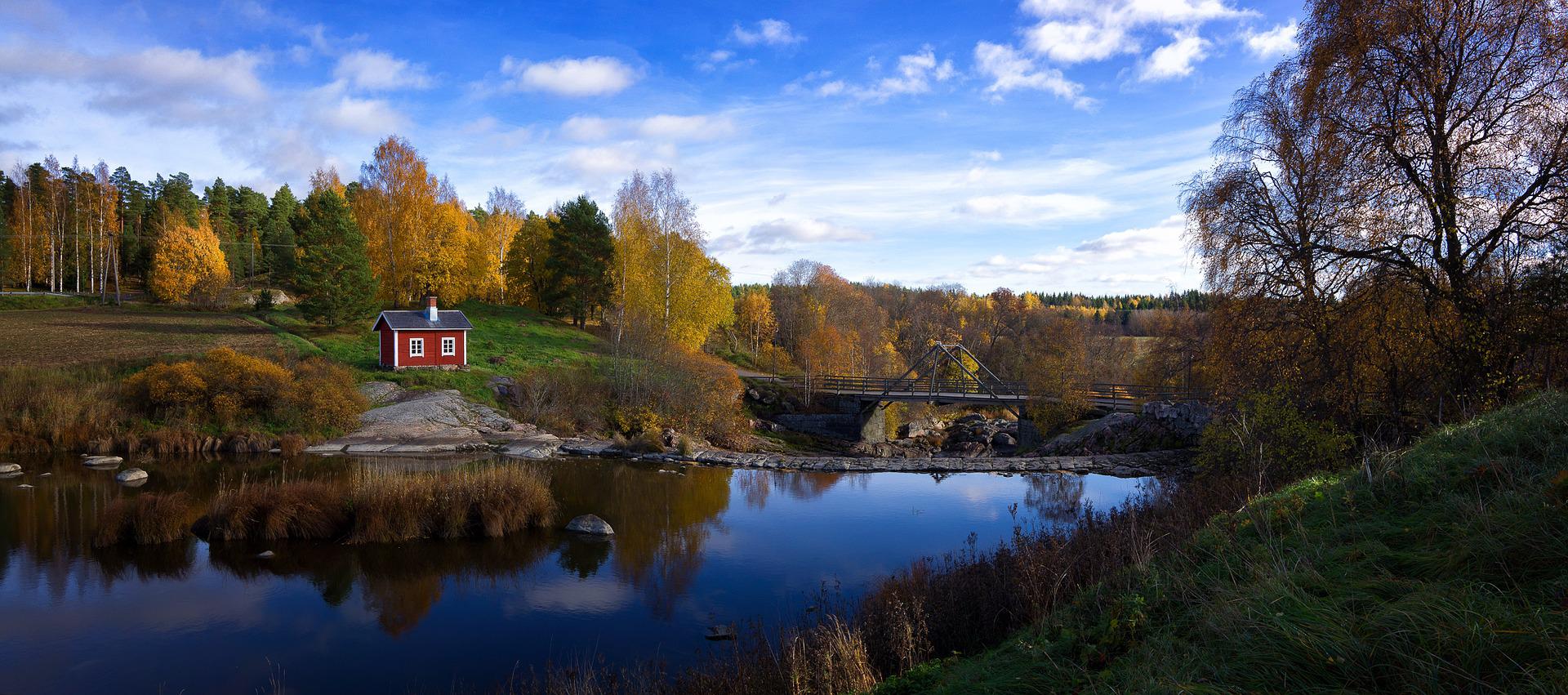
Climate change is a top priority in Finland’s Recovery and Resilience Plan (RRP). The money, 2.1 billion, that the country received from the EU to pull the European economy out of the corona recession, is coming at just the right time. At the start of this century, Finland was still in the top five countries with the highest levels of greenhouse gas emissions. And on top of that, thanks to the rapidly accelerating logging of Finland’s forests, carbon dioxide absorption is starting to decline. The RRP aims to prepare the country for the future by, among other means, becoming a world leader in hydrogen.
No less than 50 percent of the budget is earmarked for the green transition. This money should make a significant contribution towards achieving the national climate targets: CO2 neutrality by 2035. By 2040, the country has to absorb even more CO2 than it emits. In particular, those sectors that currently have the highest levels of emissions will be dealt with, such as the energy sector, mobility and industry. A total of 27 percent of the plan is being set aside to support the digital transition.
Hydrogen chain
“I was pleasantly surprised when I saw the plan. We are committed to fossil-free transport and sustainable industry,” says Paula Kivimaa, Professor of Climate and Society and member of the Finnish Climate Panel. The plan will support the green transition by investing 319 million euros in decarbonizing the energy sector, especially in energy transmission and distribution, and in new energy technologies.
What struck the professor most: 156 million euros will be invested in hydrogen technology. “In Finland, the industrial sector needs to be greened. The large-scale roll-out of a hydrogen network, as outlined in the plan, will definitely make a positive contribution to that.”

Hydrogen will play a particularly important role in Finland when it comes to making the steel and chemical industries more sustainable. It should enable the processing of minerals and metals. Hydrogen is well-suited for this purpose due to its high combustion temperature. For example, the production processes at SSAB’s steel plant in Raahe, (Finland’s largest emission source -7 percent), will start running on hydrogen.
Sustainable heating
In addition, the plan backs the sustainable heating of buildings. 70 million euros will be allocated for the replacement of fuel oil boilers with low-carbon or carbon-free heating systems. “An extremely good idea,” thinks Kivimaa. “Especially houses in rural Finland still use old oil-fired systems. Alongside these plans, there are already policies in place to make home energy systems more sustainable, which have since been stepped up as a result of Russia’s energy crisis and increased gas prices. For example, subsidies are already being provided for sustainable heat pumps. I predict that these kinds of sustainable heating systems will start to drive a rapid transition in the energy sector in the near future.”
Green mobility
Among other things, 40 million euros will also be invested in helping to provide private and public charging stations for electric cars. “The average age of vehicle fleets in Finland is high. We want to switch to electric mobility, however, the charging infrastructure has been a major obstacle. The RRP has increased the amount of government subsidies for installing electric car charging stations next to apartment buildings. This will make driving electric more accessible and affordable for people, while the rising prices of electric cars after the oil price hikes still pose a barrier for many people,” Kivimaa believes.
“I think it may be some time before we will be able to see an effect. But all in all, the expansion of charging infrastructure combined with the electrified train network already in place in the country, makes me feel very positive about the future of Finnish mobility.”
No immediate answer to dire environmental issues
Yet the RRP does not provide answers to some of the other environmental problems facing the country, the climate professor adds in conclusion. “For example, I think it’s unfortunate that the plan pays scant attention to the addressing biodiversity. Besides that, there are few plans revolving around making agriculture more sustainable, which is still a huge polluting sector.”
“But considering the relatively modest budget of 2.1 billion euros that Finland has been allocated, I am pleased. I hope the plan serves as an example for future investments from the business community.”